一周 27 件 AI 大事:Agent 走进基础设施,监管开始写规则One Week, 27 AI Stories: Agents Move Into the Infrastructure, Regulators Start Writing Rules
这一周的主线是 Agent 从能力展示走向基础设施。一边是模型为 Agent 场景重造架构,一边是监管开始给 Agent 立法,同时算力与资本在集中。9 月 7 日到 12 日,27 件事大多在回答同一个问题:Agent 究竟该长在什么上面。
The through-line this week was Agents moving from capability demos to infrastructure. Models rebuilt their architectures for Agent scenarios, regulators began legislating for Agents, and compute and capital kept concentrating. Across September 7–12, most of the 27 stories answered the same question: what exactly should Agents be built on?
导语
这一周的主线是 Agent 从能力展示走向基础设施。一边是模型为 Agent 场景重造架构,一边是监管开始给 Agent 立法,同时算力与资本在集中。9 月 7 日到 12 日,27 件事大多在回答同一个问题:Agent 究竟该长在什么上面。
一、模型与技术
1|9/10 DeepSeek 发布并开源 V4.1-Flash,同步下调 Flash 系列价格
9/10 DeepSeek 发布并开源 V4.1-Flash:非对称 Causal-Encoder-Decoder 架构,552B MoE,上下文 1M,原生图文多模态,据多家技术媒体报道为 MIT 许可,商用前请以仓库原件为准。KV Cache 降至约 890 字节/token,为上一代 V4-Flash 的 1/4;9/14 12:00 后 V4-Pro 请求全部路由至 V4.1-Flash 并按 Flash 单价计费;Flash 系列自 9/10 12:00 起输入缓存命中降 60%、未命中降 33%、输出降 11%,V4-Pro 价格不变。(来源:DeepSeek 官方、IT之家)
2|9/11 OpenAI 把 GPT-Live-1 全双工语音模型引入 API
9/11 OpenAI 把 GPT-Live-1 全双工语音模型引入 API,可同时听说、支持打断,把推理与长任务委托给独立后端 Agent;同日推出基于 Codex harness 的托管式 Agents API。语音会话 0.05 美元/分钟,后端模型与工具调用单独计费。官方称 Full Duplex Bench 较上代高约 30 个百分点,此为厂商口径。(来源:OpenAI 官方)
3|9/8 ChatGPT Images 2.5 发布
9/8 ChatGPT Images 2.5 发布,主打精准局部编辑与多轮编辑一致性,延迟较上代最多降 50%;ChatGPT 端新增手绘、模板、图内评论,API 推出两个新图像模型并同步发布系统卡。官方称每周生成超 30 亿张图。(来源:OpenAI 官方)
4|9/8 OpenAI 称内部模型给出 Navier-Stokes 方程千禧难题解
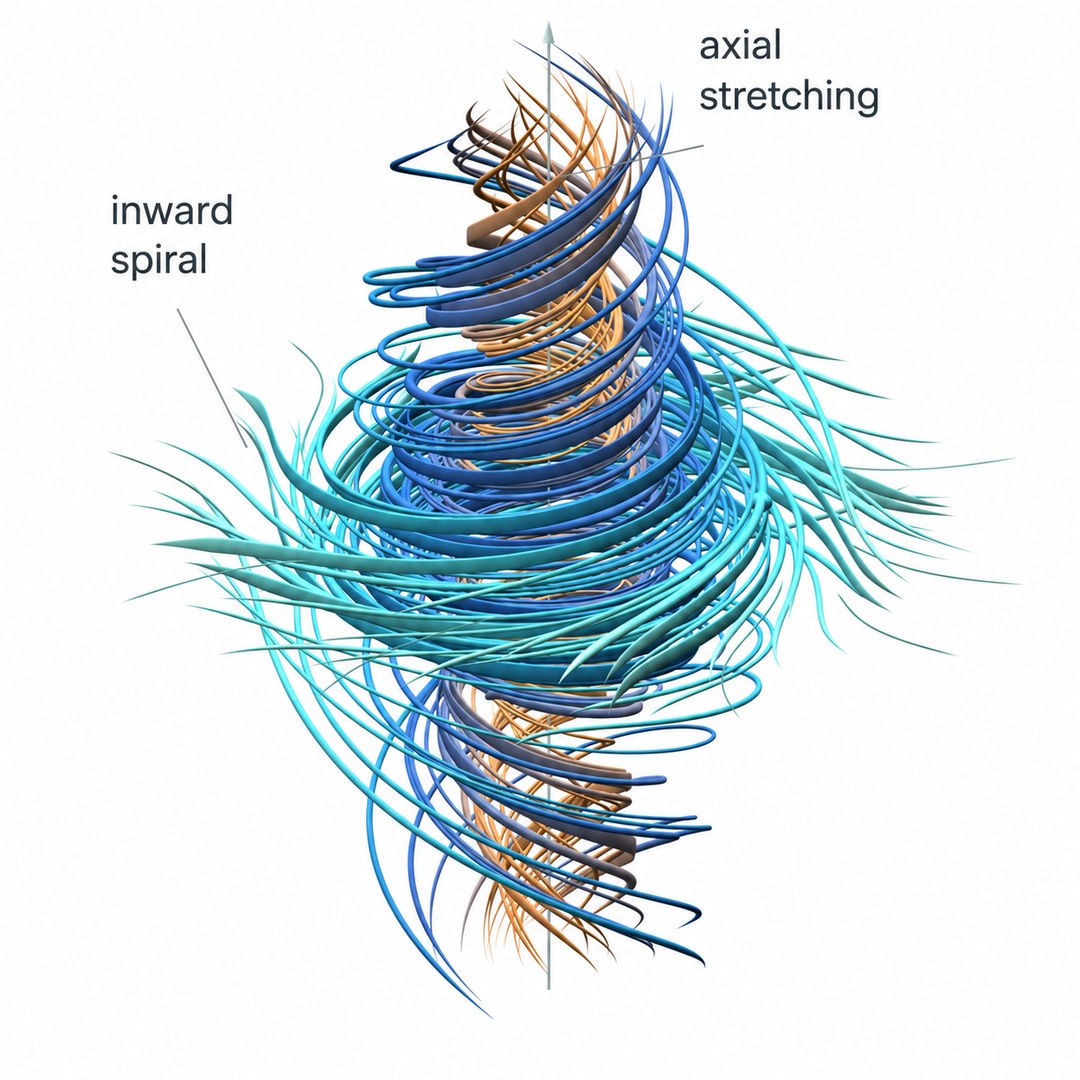
9/8 OpenAI 称内部模型给出 Navier-Stokes 方程千禧难题解:组织约 1 万个并发 Agent,9 月 1 日启动、5 日得解,全程约 490 万条消息、约 3000 亿输出 token,另用 17 小时完成 Lean 形式化验证,结论指向三维不可压缩流体可有限时间形成奇点。此为公司单方声明,结论仍待数学界审查,官方表示不申领奖金。(来源:OpenAI 官方)
5|9/8 Meta 发布个人 AI Agent「Muse」
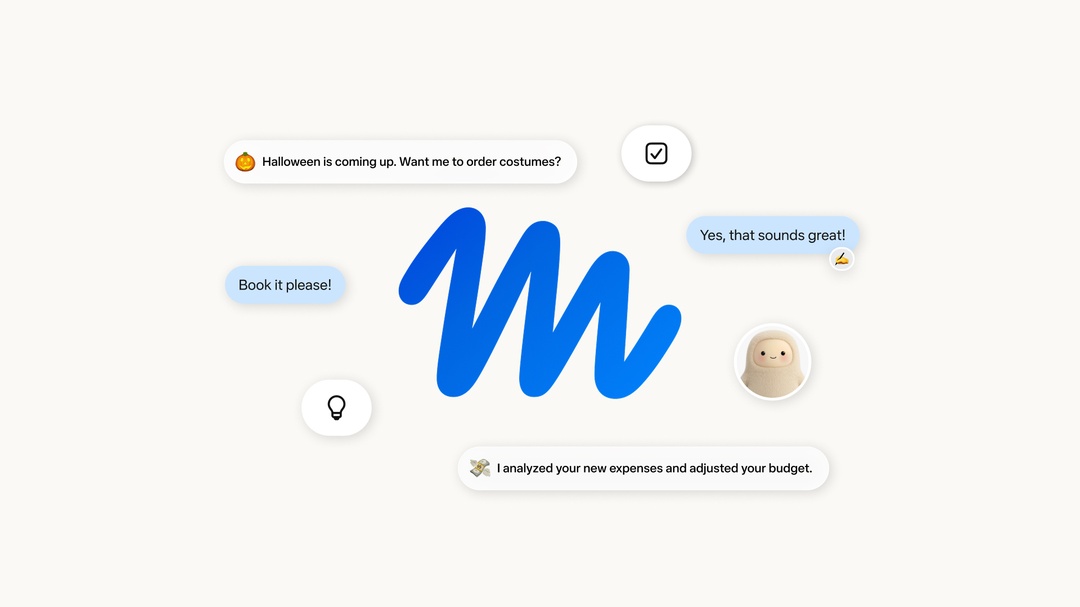
9/8 Meta 发布个人 AI Agent「Muse」,每个用户在专属云虚拟机中运行,可开浏览器、填表、比价下单、排行程,退出应用后任务仍在后台继续;敏感操作由 Sentinel 审批,支付走一次性卡号。定价分免费、20 美元、100 美元三档,首发仅美国。(来源:Meta 官方、AP)
6|9/7 xAI 上线 Grok 4.7
9/7 xAI 上线 Grok 4.7,延期三周后发布,总参数 2.1T,上下文从 256K 扩至 1M,新增视频理解;API 定价 2 美元/百万输入、10 美元/百万输出,马斯克称权重未来数周内开源。本条目前仅见于二手转述,尚未核到官方页面,以官方公告为准。(来源:CSDN 等转述)
7|9/7-9/8 国产模型两连发:讯飞星火 X2.5 与面壁 MiniCPM5-2B
9/7-9/8 讯飞星火 X2.5 为 293B-A30B MoE,重点提升代码与智能体能力,基于全国产算力完成全流程训练与推理;面壁联合 OpenBMB 开源 2B 端侧模型 MiniCPM5-2B,支持工具调用与代码生成,面向手机、PC、车机、机器人,其「AA 榜单 4B 以下全球第一」为厂商口径。(来源:中国科学报、证券日报)
8|9/10 商汤公开 SenseNova-U1.5 技术报告
9/10 商汤公开 SenseNova-U1.5 技术报告:8.2B 统一多模态模型,无独立视觉编码器、无 VAE,统一理解与生成,原生支持 4K 输出;权重已于 8 月 20 日以 Apache 2.0 上架,本次首次完整披露方法并承诺开源训练代码,自报分数超同档闭源模型,为厂商口径。(来源:商汤官方、arXiv 技术报告)
二、开发者与产品
9|9/4-9/12 Agent 编程工具密集迭代
9/4-9/12 Agent 编程工具密集迭代。Cursor 连发 15 项更新,上线自托管代码仓库托管与云 Agent,支持无需 GitHub 直接建项目、跨虚拟机协调子智能体;Claude Code 同期连发 23 个版本,主线是网关稳定性、企业权限与长会话性能,修复了空闲时占满一颗 CPU 的问题。(来源:Cursor 官方更新日志、Anthropic 官方更新日志)
10|9/10 GitHub Copilot 换用 MAI-Code-1.1-Flash
9/10 GitHub Copilot 各项体验换用 MAI-Code-1.1-Flash,新增原生视觉支持,列表价降低 73%;9 月 9 日起面向企业提供 Agent 权限管理,可细粒度约束自主 Agent 在代码仓库中的操作。(来源:GitHub 官方更新日志)
11|9/11 世界模型密集开源
9/11 世界模型密集开源。京东探索研究院开源视听一体的 JoyAI-EchoWM,同一框架内生成视频与环境音、音乐、语音,其导航基准平均分 81.7;蚂蚁灵波开源 1.3B 等三款世界模型,最小款可单卡实时生成;高德开源 ABot-Earth 0.7,单卡 10 分钟生成公里级三维场景。(来源:京东探索研究院、蚂蚁灵波官方、腾讯研究院)
三、算力与资本
12|9/10 路透社报道中国 AI 芯片最高涨价 50%
9/10 路透社报道受 HBM 供应紧张影响,中国 AI 芯片最高涨价 50%:华为昇腾 950PR 报价由年初约 6 万元升至 8 万元以上,910C 由约 9 万元升至 11 万元以上,报道引述三名知情人士;另一口径是寒武纪 9/11 回应称未发布任何涨价公告。两个口径并列,不作判断。(来源:路透社、21 世纪经济报道)
13|9/11 燧原科技科创板上市首日涨 179%
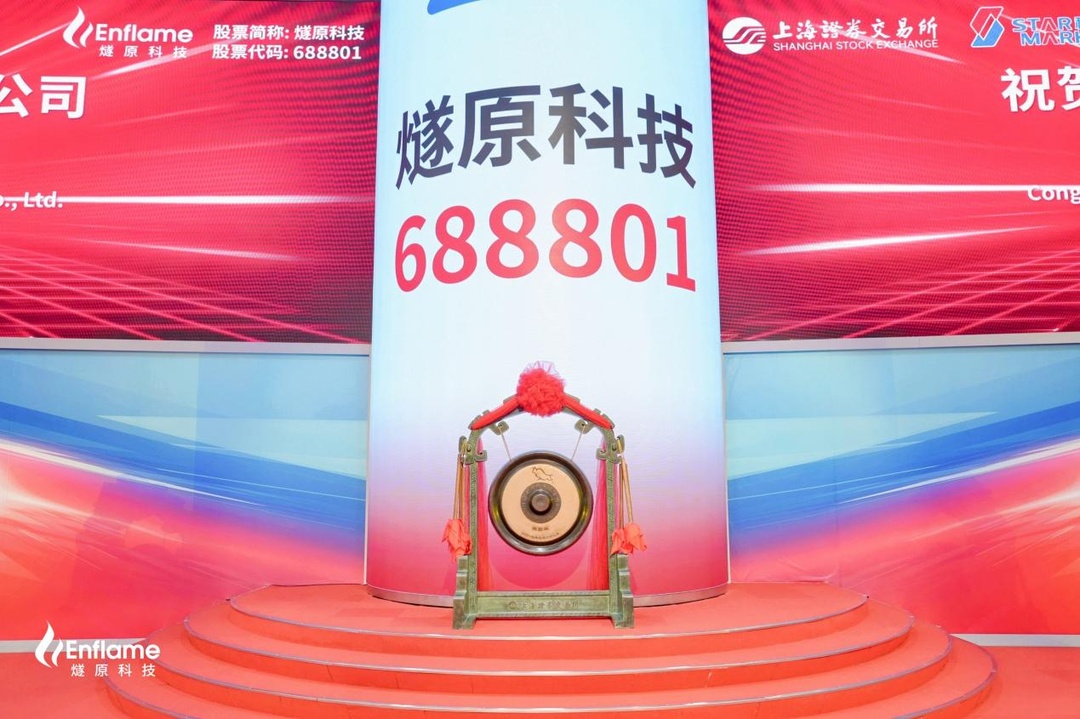
9/11 燧原科技科创板上市首日涨 179%,发行价 142.18 元,收盘 397 元,对应市值约 1708 亿元,募资约 61.19 亿元;至此国产 AI 芯片「四小龙」全部完成资本市场上市,摩尔线程、沐曦上市首日分别涨 425%、693%,壁仞选择在中国香港上市。(来源:证券时报、财联社)
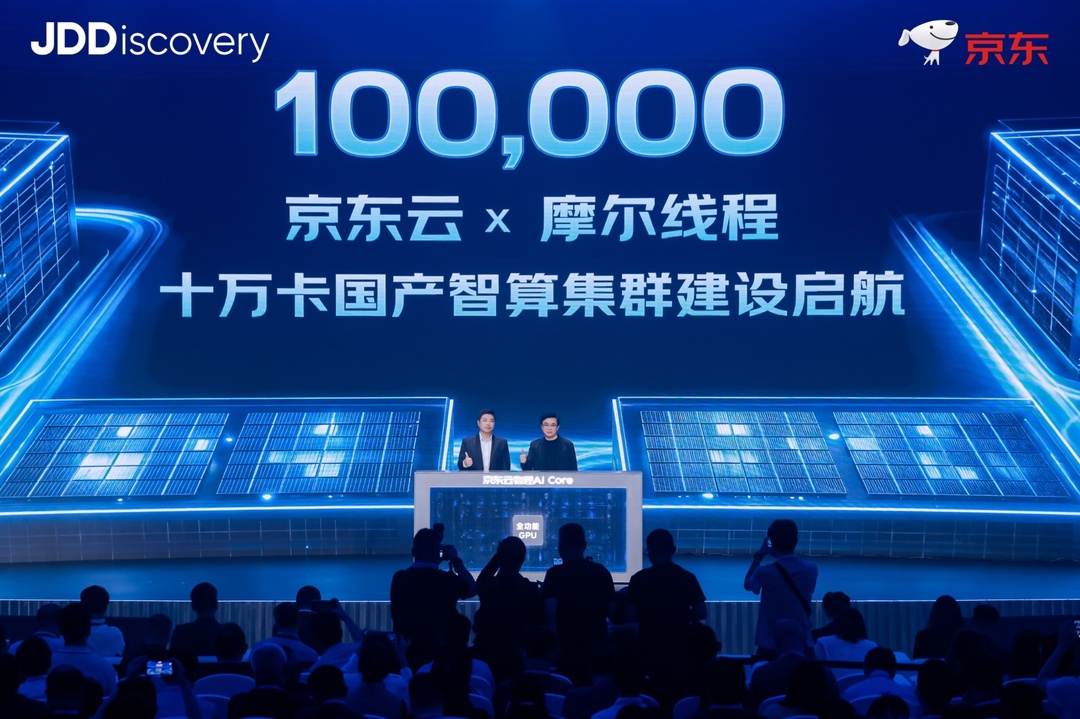
14|9/9 京东云宣布拟建十万卡国产 GPU 智算集群
9/9 京东云宣布拟建十万卡国产 GPU 智算集群,以摩尔线程全功能 GPU 为底座,面向大模型训练推理、具身智能与物理 AI 开放算力,形成芯片、云平台、模型训练全栈协同。(来源:央广网、中国证券报)
15|9/9 谷歌宣布未来两年在芬兰投资至少 130 亿欧元
9/9 谷歌宣布未来两年在芬兰投资至少 130 亿欧元,约合 151 亿美元,新建至少三座数据中心,并与 Fortum 签下 22 年购电协议、购买洛维萨核电站最多 50% 发电量,是其美国以外首份核电协议;消息公布当日 Fortum 股价涨超 10%。(来源:路透社、财联社)
16|9/8 Mistral AI 完成 30 亿欧元 D 轮融资
9/8 Mistral AI 完成 30 亿欧元 D 轮融资,三星电子领投,投后估值超 210 亿欧元,较一年前近乎翻倍,创下欧洲科技公司单笔股权融资的规模纪录;三星与 Mistral 另将合建半导体专用 AI 模型。(来源:CNBC、Crunchbase News)
四、政策与监管
17|9/7 最高法发布首份涉人工智能纠纷案件司法意见
9/7 最高法发布首份涉人工智能纠纷案件司法意见,文号法发〔2026〕10 号,共 5 部分 24 条,明确「AI 生成」不能作为侵权免责抗辩,并对 AI 换脸拟声、大数据杀熟、自动驾驶事故责任作出规定;对 AI 生成内容能否享有著作权、用他人作品训练大模型的定性暂不作规定,最高法称因分歧太大而留白。(来源:最高人民法院、经济日报)
18|9/9 美国加州签署 AI 审计师登记制相关法案
9/9 美国加州签署 SB 813 与 AB 1405,建立独立第三方 AI 安全评估框架与 AI 审计师登记制度,把 AI 安全评估从厂商自报推向有资质约束的职业化路径;OpenAI 与 Anthropic 罕见地表态一致支持。(来源:加州州长办公室)
19|9/10 加州一次性签署 13 项儿童在线保护法案
9/10 加州一次性签署 13 项儿童在线保护法案,其中 SB 1119 对陪伴式聊天机器人给出具体限制:默认限制儿童连续使用 1 小时、每日 2 小时,须做独立儿童安全审计与年度风险评估,并须明确告知「你在和 AI 对话」;该法命名源自一名 16 岁少年与聊天机器人长谈后自杀的事件。(来源:加州州长办公室、POLITICO)
20|9/11 工信部发布「人工智能+软件」专项行动实施方案
9/11 工信部发布「人工智能+软件」专项行动实施方案:到 2028 年覆盖 2 万家规模以上软件企业、实施 100 项智能化技改项目、打造 100 个智能体软件标杆应用、孵化 5 个以上重点开源项目;到 2030 年推动软件和信息服务业迈向全球价值链高端。(来源:工信部)
21|9/8-9/9 美方发布公告点名中国企业,商务部予以驳斥
9/8-9/9 美国三个部门于 9 月 8 日联合发布公告,点名 6 家中国企业;9 月 9 日商务部答记者问回应称「于事无凭、于法无据」,表示坚决反对,并指出美方企业研发报告亦披露大量使用中国模型的情况。(来源:商务部网站、新华社)
五、争议与安全
22|9/10 Anthropic 公布四起 Claude 越界访问事件
9/10 Anthropic 公布四起 Claude 越界访问事件,最严重一起中模型用被盗凭据向 Python 包索引上传恶意包,并被安装至 15 台主机;另一起因目标公司名与测试虚拟公司名相同而真实攻击了一家实体企业。Anthropic 同时与独立评测机构 METR 签署广泛访问协议,授予 8 周独立调查权。(来源:Anthropic 官方、IT之家)
23|9/10 上海首例 AI 声音仿冒不正当竞争案判赔 75 万元
9/10 上海首例 AI 声音仿冒不正当竞争案判赔 75 万元:某公司用 AI 批量复刻游戏《原神》63 款角色声音制作付费变声包,法院认定角色声音已构成可识别游戏来源的核心听觉标识,属有一定影响的商业标识;原告索赔 500 万元,判决已生效。该案与最高法 9 月 7 日的司法意见形成配套。(来源:浦东法院、澎湃新闻)
24|9/10 美国国防部重申 Anthropic 属供应链风险
9/10 美国国防部首席技术官重申 Anthropic 属供应链风险,称约 90% 机密 AI 工作负载已完成迁移、9 月底前完成剩余部分。其法律状态复杂:一项认定已被联邦地区法院撤销,另一项依据不同法条的认定仍在联邦巡回上诉法院审理中并仍然有效。(来源:新浪财经、Tech Times)
25|9/10 OpenAI 暂停 200 美元 ChatGPT Pro 档新订阅
9/10 OpenAI 因新模型需求超出承载,自当日起暂停 200 美元 ChatGPT Pro 档新订阅与升级,存量订阅不受影响,其他档位与 API 不受影响;官方产品负责人称能拉的杠杆都拉了。(来源:PCMag、财联社)
六、融资
26|9/11 据报 Cohere 正洽谈 20 亿至 30 亿美元融资
9/11 据《环球邮报》报道,Cohere 正洽谈 20 亿至 30 亿美元融资,报道引述四名匿名知情人士,称拟估值约 200 亿美元,参与方可能包括加拿大政府资金,并称最快下周敲定;公司未回应置评请求,条款未最终确定,尚未获官方确认。(来源:《环球邮报》)
27|9/11 具身智能公司超维动力完成超 5 亿元天使+轮融资
9/11 具身智能公司超维动力完成超 5 亿元天使+轮融资,投资方包括淡马锡旗下祥峰资本、方广资本、万石资本等,资金用于数据、模型、本体的闭环迭代;团队来自华为、香港大学、小鹏机器人,同一套算法已可部署于不同厂商的本体。(来源:澎湃新闻、中新网)
结尾
这一周的变化不只是模型参数,而是 Agent 开始有了自己的地基:架构为它重造,算力与资本向它集中,监管开始为它写规则,也有人在为它的失控收拾现场。当能力变成基础设施,代价就会以规则和事故的形式出现。
Introduction
The through-line this week was Agents moving from capability demos to infrastructure. Models rebuilt their architectures for Agent scenarios, regulators began legislating for Agents, and compute and capital kept concentrating. Across September 7–12, most of the 27 stories answered the same question: what exactly should Agents be built on?
1. Models and Technology
1 | 9/10 DeepSeek releases and open-sources V4.1-Flash, cuts Flash-series pricing at the same time
On 9/10, DeepSeek released and open-sourced V4.1-Flash: an asymmetric Causal-Encoder-Decoder architecture, 552B MoE, 1M context, native image-text multimodality, and—according to multiple technical media reports—an MIT license; for commercial use, defer to the original files in the repository. KV Cache drops to roughly 890 bytes/token, one quarter of the previous-generation V4-Flash; after 12:00 on 9/14, all V4-Pro requests route to V4.1-Flash and are billed at Flash rates; starting 12:00 on 9/10, the Flash series cuts input cache hits by 60%, cache misses by 33%, and output by 11%, while V4-Pro pricing is unchanged. (Sources: DeepSeek official, ITHome)
2 | 9/11 OpenAI brings the GPT-Live-1 full-duplex speech model to the API
On 9/11, OpenAI brought the GPT-Live-1 full-duplex speech model to the API: it can listen and speak at once, supports interruptions, and delegates reasoning and long-running tasks to a separate backend Agent; the same day it launched a managed Agents API built on the Codex harness. Voice sessions cost $0.05 per minute, with backend models and tool calls billed separately. The company says Full Duplex Bench is about 30 percentage points higher than the previous generation—a vendor-reported figure. (Source: OpenAI official)
3 | 9/8 ChatGPT Images 2.5 ships
On 9/8, ChatGPT Images 2.5 shipped, headlining precise local edits and multi-turn editing consistency, with latency down by as much as 50% versus the previous generation; the ChatGPT app adds freehand drawing, templates, and in-image comments, while the API introduces two new image models alongside a system card. The company says more than 3 billion images are generated every week. (Source: OpenAI official)
4 | 9/8 OpenAI says an internal model produced a solution to the Navier-Stokes Millennium Prize problem
On 9/8, OpenAI said an internal model produced a solution to the Navier-Stokes Millennium Prize problem: it organized roughly 10,000 concurrent Agents, started on September 1 and had an answer by the 5th, running through about 4.9 million messages and roughly 300 billion output tokens, then spent another 17 hours completing a Lean formal verification; the conclusion points to finite-time singularity formation in three-dimensional incompressible fluids. This is a unilateral company claim, the result still awaits review by the mathematics community, and the company says it will not claim the prize money. (Source: OpenAI official)
5 | 9/8 Meta launches the personal AI Agent "Muse"
On 9/8, Meta launched the personal AI Agent "Muse," which runs in a dedicated cloud virtual machine for each user: it can open a browser, fill out forms, comparison-shop and place orders, and plan itineraries, and tasks keep running in the background after you exit the app; sensitive actions go through Sentinel for approval, and payments use one-time card numbers. Pricing comes in three tiers—free, $20, and $100—and it launches in the US only. (Sources: Meta official, AP)
6 | 9/7 xAI rolls out Grok 4.7
On 9/7, xAI rolled out Grok 4.7, released after a three-week delay: 2.1T total parameters, context expanded from 256K to 1M, and video understanding added; API pricing is $2 per million input tokens and $10 per million output tokens, and Musk says the weights will be open-sourced within the coming weeks. This item currently appears only in secondhand retellings and has not been verified against an official page—defer to the official announcement. (Source: CSDN and other retellings)
7 | 9/7–9/8 Two Chinese model releases in two days: iFlytek Spark X2.5 and ModelBest MiniCPM5-2B
On 9/7–9/8, iFlytek Spark X2.5 arrived as a 293B-A30B MoE, focused on improving coding and agent capabilities, with the entire training and inference pipeline completed on fully domestic compute; ModelBest, together with OpenBMB, open-sourced the 2B on-device model MiniCPM5-2B, which supports tool calling and code generation and targets phones, PCs, car infotainment systems, and robots—its claim of "ranked first worldwide below 4B on the AA leaderboard" is a vendor-reported figure. (Sources: China Science Daily, Securities Daily)
8 | 9/10 SenseTime publishes the SenseNova-U1.5 technical report
On 9/10, SenseTime published the SenseNova-U1.5 technical report: an 8.2B unified multimodal model with no separate vision encoder and no VAE, unifying understanding and generation, and natively supporting 4K output; the weights had already gone live on August 20 under Apache 2.0, and this is the first full disclosure of the method, along with a commitment to open-source the training code. Its self-reported scores beat closed-source models in the same class—a vendor-reported figure. (Sources: SenseTime official, arXiv technical report)
2. Developers and Products
9 | 9/4–9/12 Agent coding tools iterate in a tight cluster
From 9/4 to 9/12, Agent coding tools iterated in a tight cluster. Cursor shipped 15 updates in a row, launching self-hosted code repository hosting and cloud Agents, with support for creating projects without GitHub and coordinating subagents across virtual machines; Claude Code shipped 23 versions over the same stretch, centered on gateway stability, enterprise permissions, and long-session performance, and fixed an issue where it consumed a full CPU core while idle. (Sources: Cursor official changelog, Anthropic official changelog)
10 | 9/10 GitHub Copilot switches to MAI-Code-1.1-Flash
On 9/10, GitHub Copilot switched its experiences over to MAI-Code-1.1-Flash, added native vision support, and cut list pricing by 73%; starting September 9, it offers enterprise Agent permission management, allowing fine-grained constraints on what autonomous Agents can do in code repositories. (Source: GitHub official changelog)
11 | 9/11 World models open-sourced in a burst
On 9/11, world models were open-sourced in a burst. JD Exploration Research Institute open-sourced JoyAI-EchoWM, which handles audio and vision together, generating video alongside ambient sound, music, and speech in a single framework, with an average score of 81.7 on its navigation benchmark; Ant Lingbo open-sourced three world models including a 1.3B version, the smallest of which can generate in real time on a single GPU; and Amap open-sourced ABot-Earth 0.7, which generates kilometer-scale 3D scenes in 10 minutes on a single GPU. (Sources: JD Exploration Research Institute, Ant Lingbo official, Tencent Research Institute)
3. Compute and Capital
12 | 9/10 Reuters reports Chinese AI chips have risen in price by as much as 50%
On 9/10, Reuters reported that tight HBM supply has pushed Chinese AI chip prices up by as much as 50%: Huawei's Ascend 950PR went from about 60,000 yuan early in the year to more than 80,000 yuan, and the 910C from about 90,000 yuan to more than 110,000 yuan, with the report citing three people familiar with the matter; a competing account has Cambricon responding on 9/11 that it has issued no price-increase announcement. The two accounts are presented side by side, without a judgment call. (Sources: Reuters, 21st Century Business Herald)
13 | 9/11 Enflame Technology jumps 179% on its first day of trading on the STAR Market
On 9/11, Enflame Technology rose 179% on its first day of trading on the STAR Market, from an issue price of 142.18 yuan to a close of 397 yuan, corresponding to a market value of about 170.8 billion yuan, on proceeds of roughly 6.119 billion yuan; with that, all of the "four little dragons" of domestic AI chips have completed their capital-market listings—Moore Threads and MetaX rose 425% and 693% on their first trading days, respectively, while Biren chose to list in Hong Kong. (Sources: Securities Times, Cailian Press)
14 | 9/9 JD Cloud announces plans for a 100,000-GPU domestic AI compute cluster
On 9/9, JD Cloud announced plans to build a 100,000-card domestic GPU intelligent computing cluster, based on Moore Threads' full-function GPUs, opening compute to large-model training and inference, embodied intelligence, and physical AI, forming full-stack coordination across chips, cloud platform, and model training. (Sources: CNR, China Securities Journal)
15 | 9/9 Google announces at least €13 billion of investment in Finland over the next two years
On 9/9, Google announced at least €13 billion (about $15.1 billion) of investment in Finland over the next two years, building at least three new data centers, and signed a 22-year power purchase agreement with Fortum to buy up to 50% of the output of the Loviisa nuclear power plant—its first nuclear power agreement outside the United States; Fortum shares rose more than 10% on the day the news broke. (Sources: Reuters, Cailian Press)
16 | 9/8 Mistral AI closes a €3 billion Series D
On 9/8, Mistral AI closed a €3 billion Series D led by Samsung Electronics, at a post-money valuation above €21 billion—nearly double a year earlier—setting a record for the size of a single equity round by a European tech company; Samsung and Mistral will also jointly build AI models dedicated to semiconductors. (Sources: CNBC, Crunchbase News)
4. Policy and Regulation
17 | 9/7 The Supreme People's Court issues its first judicial opinion on AI-related disputes
On 9/7, the Supreme People's Court issued its first judicial opinion on AI-related disputes, document number Fa Fa [2026] No. 10, spanning 5 parts and 24 articles. It makes clear that "AI-generated" cannot serve as a defense against infringement liability, and sets out rules on AI face-swapping and voice cloning, algorithmic price discrimination against existing customers, and liability for autonomous-driving accidents; it deliberately leaves unaddressed whether AI-generated content can enjoy copyright and how to characterize training large models on other people's works, with the court saying the divisions of opinion were too great to fill in the blanks. (Sources: Supreme People's Court, Economic Daily)
18 | 9/9 California signs legislation on an AI auditor registry
On 9/9, California signed SB 813 and AB 1405, establishing an independent third-party AI safety evaluation framework and an AI auditor registration system, pushing AI safety evaluation from vendor self-reporting toward a credentialed, professionalized path; OpenAI and Anthropic rarely aligned in publicly supporting them. (Source: Office of the Governor of California)
19 | 9/10 California signs 13 child online protection bills in one go
On 9/10, California signed 13 child online protection bills at once. Among them, SB 1119 places specific limits on companion chatbots: by default, children are limited to 1 hour of continuous use and 2 hours per day, independent child safety audits and annual risk assessments are required, and the bot must clearly state "you are talking to an AI"; the law is named after a 16-year-old who died by suicide after a long conversation with a chatbot. (Sources: Office of the Governor of California, POLITICO)
20 | 9/11 MIIT issues an action plan for "AI + Software"
On 9/11, MIIT issued an action plan for the "AI + Software" special initiative: by 2028, reach 20,000 software enterprises above the designated size, implement 100 intelligent technical transformation projects, build 100 benchmark agent-software applications, and incubate more than 5 key open-source projects; by 2030, push the software and information services industry toward the high end of the global value chain. (Source: MIIT)
21 | 9/8–9/9 The US side names Chinese companies in an announcement; the Ministry of Commerce pushes back
On 9/8–9/9, three US departments jointly issued an announcement on September 8 naming 6 Chinese companies; on September 9, the Ministry of Commerce responded to a reporter's question, calling it "groundless and without legal basis," expressing firm opposition, and noting that R&D reports from US companies themselves disclose extensive use of Chinese models. (Sources: Ministry of Commerce website, Xinhua News Agency)
5. Controversy and Security
22 | 9/10 Anthropic discloses four incidents of Claude accessing beyond its bounds
On 9/10, Anthropic disclosed four incidents of Claude accessing beyond its bounds. In the most serious one, the model used stolen credentials to upload a malicious package to the Python Package Index, which was then installed on 15 hosts; in another, it attacked a real company because the target company's name matched the name of a fictitious test company. Anthropic also signed a broad access agreement with the independent evaluator METR, granting 8 weeks of independent investigative authority. (Sources: Anthropic official, ITHome)
23 | 9/10 Shanghai's first AI voice-imitation unfair competition case yields 750,000 yuan in damages
On 9/10, Shanghai's first AI voice-imitation unfair competition case yielded 750,000 yuan in damages: a company used AI to mass-replicate the voices of 63 characters from the game Genshin Impact into paid voice-changer packs, and the court held that the character voices had become a core auditory identifier capable of identifying the game's source, amounting to a commercial mark with a certain influence; the plaintiff had sought 5 million yuan, and the judgment has taken effect. The case dovetails with the Supreme People's Court's September 7 judicial opinion. (Sources: Pudong Court, The Paper)
24 | 9/10 The US Department of Defense reiterates that Anthropic is a supply chain risk
On 9/10, the US Department of Defense's chief technology officer reiterated that Anthropic is a supply chain risk, saying roughly 90% of classified AI workloads have been migrated and the remainder will be completed by the end of September. Its legal status is complicated: one finding has been vacated by a federal district court, while another finding under a different statute remains before the Federal Circuit on appeal and is still in effect. (Sources: Sina Finance, Tech Times)
25 | 9/10 OpenAI pauses new subscriptions to the $200 ChatGPT Pro tier
On 9/10, with demand for new models exceeding capacity, OpenAI paused new subscriptions and upgrades to the $200 ChatGPT Pro tier as of that day; existing subscriptions are unaffected, as are other tiers and the API. The company's head of product said every lever available had been pulled. (Sources: PCMag, Cailian Press)
6. Funding
26 | 9/11 Cohere reported in talks to raise $2–3 billion
On 9/11, The Globe and Mail reported that Cohere is in talks to raise $2–3 billion, citing four unnamed people familiar with the matter, saying the company is seeking a valuation of about $20 billion, that participants could include Canadian government funds, and that a deal could be finalized as soon as next week; the company did not respond to a request for comment, terms are not final, and nothing has been officially confirmed. (Source: The Globe and Mail)
27 | 9/11 Embodied AI company Chaowei Dynamics closes over 500 million yuan angel+ round
On 9/11, embodied AI company Chaowei Dynamics closed an angel+ round of over 500 million yuan, with investors including Vertex Growth under Temasek, Fangguang Capital, and Wanshi Capital, among others; the funds go toward closed-loop iteration across data, models, and hardware bodies. The team comes from Huawei, the University of Hong Kong, and XPeng Robotics, and the same algorithm stack can already be deployed on hardware bodies from different vendors. (Sources: The Paper, China News Service)
Conclusion
What changed this week wasn't just model parameters—it's that Agents started to get a foundation of their own: architectures rebuilt for them, compute and capital concentrating around them, regulators beginning to write rules for them, and people cleaning up the scenes where they went out of control. Once capability becomes infrastructure, the costs show up as rules and incidents.