Anthropic 把 Claude Code 的 Projects 改了:合上笔记本,云上的并行会话还在跑Anthropic Reworked Claude Code Projects: Close Your Laptop and the Parallel Cloud Sessions Keep Running
Anthropic 重新做了 Claude Code 里的 Projects。老版本的项目就是个文件夹:一堆文件加一段对话。新版是一个一直在往前走的单一对话,Claude 在里面当调度。你把事情说清楚,由 Claude 决定哪些活儿该拆成一条线程。每条线程都是一个完整的 Claude Code 云会话,跑在自己的分支和自己的仓库副本上。它们并行开工,把结果汇报回主对话,而且你合上笔记本之后并不会停下。Anthropic 的发布帖把它形容成"一个会把自己分裂成一堆并行云会话的对话"。
Anthropic reworked Projects in Claude Code. The old version of a project was just a folder: a pile of files plus a conversation. The new version is a single conversation that keeps moving forward, with Claude acting as the dispatcher. You explain what you want, and Claude decides which pieces of work should be split into a thread. Each thread is a full Claude Code cloud session running on its own branch and its own copy of the repo. They work in parallel, report results back to the main conversation, and they don't stop when you close your laptop. Anthropic's launch post describes it as "a conversation that splits itself into a bunch of parallel cloud sessions."
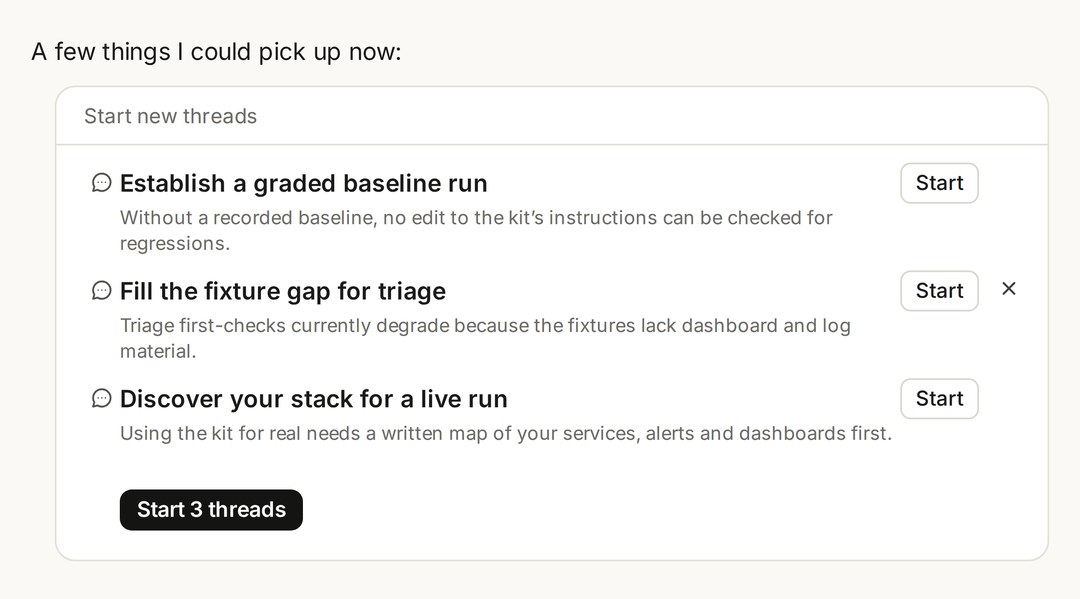
以前的项目是一个文件夹——一堆文件加一段聊天。现在是一个不断往前走的单一对话,Claude 在里面当调度。每条线程都是一个完整的云会话,跑自己的分支、用自己的仓库副本,并行开工,你关掉电脑它们照样继续。
项目这个概念被重写了
Anthropic 重新做了 Claude Code 里的 Projects。老版本的项目就是个文件夹:一堆文件加一段对话。新版是一个一直在往前走的单一对话,Claude 在里面当调度。你把事情说清楚,由 Claude 决定哪些活儿该拆成一条线程。每条线程都是一个完整的 Claude Code 云会话,跑在自己的分支和自己的仓库副本上。它们并行开工,把结果汇报回主对话,而且你合上笔记本之后并不会停下。Anthropic 的发布帖把它形容成"一个会把自己分裂成一堆并行云会话的对话"。
调度与线程
这套结构分两层。项目对话是调度层:它读你发的东西,简单问题当场答,真要干活就开线程。它只看线程汇报回来的结果,不盯着线程每一步怎么走的。线程是干活的那层:需要提交 PR 时就自己开一个,然后开着自动修复盯着它——CI 挂了就推修复,检查过了就回报。
线程还能继续往下拆。每条线程都能用子智能体、循环和工作流,把自己的任务再分出去。
Anthropic 举了个自己的例子:把目标设成"把结账流程的 p75 延迟降下来",然后让 Claude 去逐个接口做性能剖析、试优化方案、在并行的线程里开 PR。第二个例子是把一个废弃的 v1 接口从 API、网页、移动端三个仓库里一起下线,一个仓库一条线程,由 Claude 汇报哪几个 PR 先合并。
两条线程改到同一段代码时,重叠的部分会以一次再普通不过的 git 合并冲突冒出来。
每条线程继承了什么
常驻上下文只要设一次,之后每条新线程都能拿到:项目的仓库和上传的文件、最多 16,000 字符的项目指令,还有一份项目记忆——Claude 通过一个 MEMORY.md 索引来读写它。记忆里装的都是这类东西:发布挪到周五了,或者动计费之前该找谁确认。
每条线程还会把项目里的每个仓库都克隆一遍,并把其中的 CLAUDE.md、技能和插件都加载进来。权限规则、钩子和环境变量就不太一样了:它们只在线程启动时所在的那个目录里生效,所以单仓库项目能遵守,多仓库项目就顾不上。MCP 工具来自你 Claude 账号上配的连接器;项目对话本身不带连接器,所以要用连接器的活儿必须交给线程。
Overview 面板按状态把线程分组:待评审、等你处理、进行中、落地中、空闲、已解决。Library 标签页则收着上传的文件和线程产出的文件。
代价
一个项目吃套餐额度的速度比单个会话快,因为每条在跑的线程都是一个完整会话。Anthropic 给了一个按项目统计的 Usage 标签页,还允许给调度层和线程分别设模型和投入度。新建项目时处处都是 Opus:线程高投入度,对话低投入度。空闲的线程在 CI 失败、或者有人留了评审意见时也会被叫醒,继续烧额度。硬上限是每天跨你所有项目最多新建 200 条线程;撞到用量上限的线程会先等着,然后自己恢复。
关键要点
- 一个项目就是一个对话,Claude 会为每件活儿开一条线程
- 每条线程都是一个完整云会话,有自己的分支和仓库副本
- 项目记忆和指令是共享的,新线程自动就能拿到
- 线程并行跑,额度烧得更快;每天新建线程上限 200 条
- 测试版只对部分 Pro 和 Max 用户开放,限网页端和桌面端,命令行不支持
本文为原文的完整中文翻译,按整句语义用中文习惯重写,配图取自原文,另补入公开媒体报道与项目仓库的公开截图。原文作者 Michal Sutter,2026 年 9 月 17 日发布。功能描述、额度上限与开放范围均按原文口径翻译,未作补充或删减。
The old project was a folder — a pile of files plus a chat. Now it's a single conversation that keeps moving forward, with Claude acting as the dispatcher. Each thread is a full cloud session running its own branch and its own copy of the repo, working in parallel, and they keep going after you shut your computer.
The Concept of a Project Has Been Rewritten
Anthropic reworked Projects in Claude Code. The old version of a project was just a folder: a pile of files plus a conversation. The new version is a single conversation that keeps moving forward, with Claude acting as the dispatcher. You explain what you want, and Claude decides which pieces of work should be split into a thread. Each thread is a full Claude Code cloud session running on its own branch and its own copy of the repo. They work in parallel, report results back to the main conversation, and they don't stop when you close your laptop. Anthropic's launch post describes it as "a conversation that splits itself into a bunch of parallel cloud sessions."
Dispatch and Threads
The structure has two layers. The project conversation is the dispatch layer: it reads what you send, answers simple questions on the spot, and spins up threads when there's real work to do. It only sees the results threads report back — it doesn't watch every step they take. Threads are the layer that does the work: when a PR is needed they open one themselves, then babysit it with auto-fix — push a fix when CI fails, report back once checks pass.
Threads can break down further still. Each thread can use subagents, loops and workflows to split its own tasks out again.
Anthropic gives an example of its own: set the goal to "reduce p75 latency in the checkout flow," then have Claude profile each endpoint in turn, try optimizations, and open PRs in parallel threads. A second example is sunsetting a deprecated v1 endpoint across three repos at once — API, web and mobile — one thread per repo, with Claude reporting which PRs should merge first.
When two threads touch the same stretch of code, the overlap surfaces as an ordinary git merge conflict.
What Every Thread Inherits
Standing context is set once, and every new thread after that gets it: the project's repos and uploaded files, up to 16,000 characters of project instructions, and a project memory that Claude reads and writes through a MEMORY.md index. The memory holds things like: the release moved to Friday, or who to check with before touching billing.
Every thread also clones each repo in the project and loads its CLAUDE.md, skills and plugins. Permission rules, hooks and environment variables are different: they only apply in the directory where the thread was started, so single-repo projects honor them while multi-repo projects don't. MCP tools come from the connectors configured on your Claude account; the project conversation itself doesn't carry connectors, so any work that needs them has to go to a thread.
The Overview panel groups threads by status: awaiting review, needs your input, in progress, landing, idle, resolved. The Library tab holds uploaded files and files produced by threads.
The Cost
A project burns through plan quota faster than a single session, because every running thread is a full session. Anthropic provides a Usage tab broken down by project, and lets you set the model and effort level separately for the dispatch layer and for threads. New projects start with Opus everywhere: high effort for threads, low effort for the conversation. Idle threads also get woken when CI fails or someone leaves review comments, and keep burning quota. The hard cap is 200 new threads per day across all your projects; threads that hit a usage limit wait and then resume on their own.
Key Takeaways
- A project is one conversation, and Claude opens a thread for each piece of work
- Each thread is a full cloud session with its own branch and copy of the repo
- Project memory and instructions are shared, and new threads get them automatically
- Threads run in parallel and burn quota faster; the daily cap is 200 new threads
- The beta is open to some Pro and Max users only, limited to web and desktop, with no command-line support
This is a complete translation of the original article, rewritten sentence by sentence into natural English, with images taken from the original and supplemented by public screenshots from media coverage and project repositories. Original author: Michal Sutter, published September 17, 2026. Feature descriptions, quota caps and availability are translated as stated in the original, with nothing added or removed.