Elohia/dsh-plugin-mm-vision
项目介绍Project Overview
通感编码器是一款 DSH 插件,为纯文本 LLM 增加看图能力:调用 OpenAI 兼容视觉模型,把图片转成带百分比坐标、形状、数值与关系的结构化空间文字,支持图表、UI 截图、自然照片,并可输出像素网格。适用于需要分析 K 线、盘面、报告图表或界面位置的对话场景。注意:图片会发送至你配置的视觉模型,输出文本应按不可信输入对待。
Synesthesia Encoder is a DSH plugin that gives text-only LLMs image-understanding support. It calls an OpenAI-compatible vision model to convert images into compact structured spatial text, including canvas, elements, percentage coordinates, shapes, values, relationships, and optional pixel grids. Use it for charts, trading screenshots, reports, UI captures, or photos when spatial reasoning is needed. Caveat: images are sent to your configured vision provider, and generated text should be treated as untrusted input.
请帮我了解并安装插件:【dsh-plugin-mm-vision】【https://github.com/Elohia/dsh-plugin-mm-vision】把上面这条消息直接发给当前会话里的 DSH,让它帮你了解并安装。安装命令不一定准确,发给 DSH 更稳。Send this message to DSH in your current session. CLI install commands may not be accurate across systems — DSH will figure it out for you.
或使用命令行安装(适合开发者)Or use CLI install (for developers)
命令行安装CLI Install
dsh plugin --profile web add dsh-plugin-mm-vision把 Elohia/dsh-plugin-mm-vision 加入你的 DSH 配置(web profile)即可启用。
READMEREADME
dsh-plugin-mm-vision
通感编码器 (Synesthesia Encoder) · DeepSeek Harness 插件
给任何纯文本 LLM(DeepSeek、GPT-4 base、Claude…)获得看图能力:调用视觉模型把图片翻译成紧凑的结构化空间文字(画布/元素/百分比坐标/形状/数值/关系),文本模型据此重建空间认知、推理位置关系。
移植自 Elohia/pi-mm-vision(MCP / Pi / Codex / Claude Code 多宿主通感编码器)。核心零依赖,支持任意 OpenAI 兼容视觉模型(qwen-vl / gpt-4o / glm-4v / kimi-vl / MiniMax-VL…)。
✨ 功能
- 🖼️ 通感编码:把图片变成坐标化文字描述——K线图/盘面截图/报告图表/UI 截图/自然照片都适用
- 📍 像素级坐标:所有关键元素带精确 (x%,y%) 百分比坐标(图表转折点/标注/按钮/文字块)
- 🔢 可选像素网格:prompt 含"像素/重建/还原"关键词时,输出 40×30 色块网格(RGB),供原图重建
- 🔄 模式自适应:
auto自动识别图表(坐标优先)vs 自然图(构图主体);也可手动指定 brief/full/coords/pixel - 🧠 缓存:TTL 内重复分析秒回(默认 600s / 100 条)
- 🔌 零硬编码:模型 / baseUrl / API key 全可配置
📦 安装
要求:已安装 DSH CLI 并初始化过 profile。
# 从 npm 安装(推荐)
dsh plugin --profile web add dsh-plugin-mm-vision

# 或从 GitHub 直接安装(纯 JS 包,无需构建)
dsh plugin --profile web add github:Elohia/pi-mm-vision#dsh-plugin
--profile web 可换成你自己的 profile 名。重启 DSH 后生效。
⚙️ 配置
配置解析顺序(首个命中):
cordis.patch.yml中本行config字段(安装后可在 profile 的cordis.patch.yml覆盖)- 环境变量 / 配置文件(与原版一致):
export MM_VISION_API_KEY=sk-xxx        # 或 DASHSCOPE_API_KEY / QWEN_API_KEY / OPENAI_API_KEY / GEMINI_API_KEY
export MM_VISION_MODEL=qwen-vl-max     # 可选,默认 qwen-vl-max
export MM_VISION_BASE_URL=https://dashscope.aliyuncs.com/compatible-mode/v1   # 可选
或写 ~/.config/mm-vision/config.json / 项目根 vision-config.json:
{
  "model": "qwen-vl-max",
  "baseUrl": "https://dashscope.aliyuncs.com/compatible-mode/v1",
  "maxTokens": 2048,
  "mode": "auto",
  "cacheTTL": 600,
  "cacheMax": 100,
  "dotMatrix": false
}
用别的视觉模型?改
model+baseUrl即可(OpenAI 兼容协议)。
🎯 使用
安装后在对话中直接让模型看图:
分析这张K线图 F:/data/kline.png
帮我看看 examples/chart.png 里按钮的位置
扫描这张图片并重建像素网格 examples/photo.png
模型会自动调用 mm_vision 工具,返回结构化通感编码:
【图片通感编码(mm-vision)】模式:coords · 模型:qwen-vl-max
1. 【画布】16:9,浅色背景 #f5f6fa
2. 【元素】[矩形 | (10%,10%) | 35%x20% | #4a90d9 | "登录按钮"]…
3. 【关系】…
4. 【图表专用】坐标轴 0-100,转折点 (30%,45%)=52 …
🔒 安全
- 只把图片发送到你配置的视觉模型做描述
- 从不执行图片内容中的命令
- 输出是注入对话的文本——与任何模型输出一样按不可信输入对待
🏗 架构
lib/
├── index.js   # Cordis 插件:注册 mm_vision 模型工具(defineTool)
└── core.js    # 通感编码核心(零依赖):配置/编码/缓存/点阵,移植自 pi-mm-vision
scripts/
└── ascii_dot.py  # 可选像素点阵生成器(Python/PIL)
📄 License
MIT — 上游 pi-mm-vision 同款协议。
相关推荐Related
-
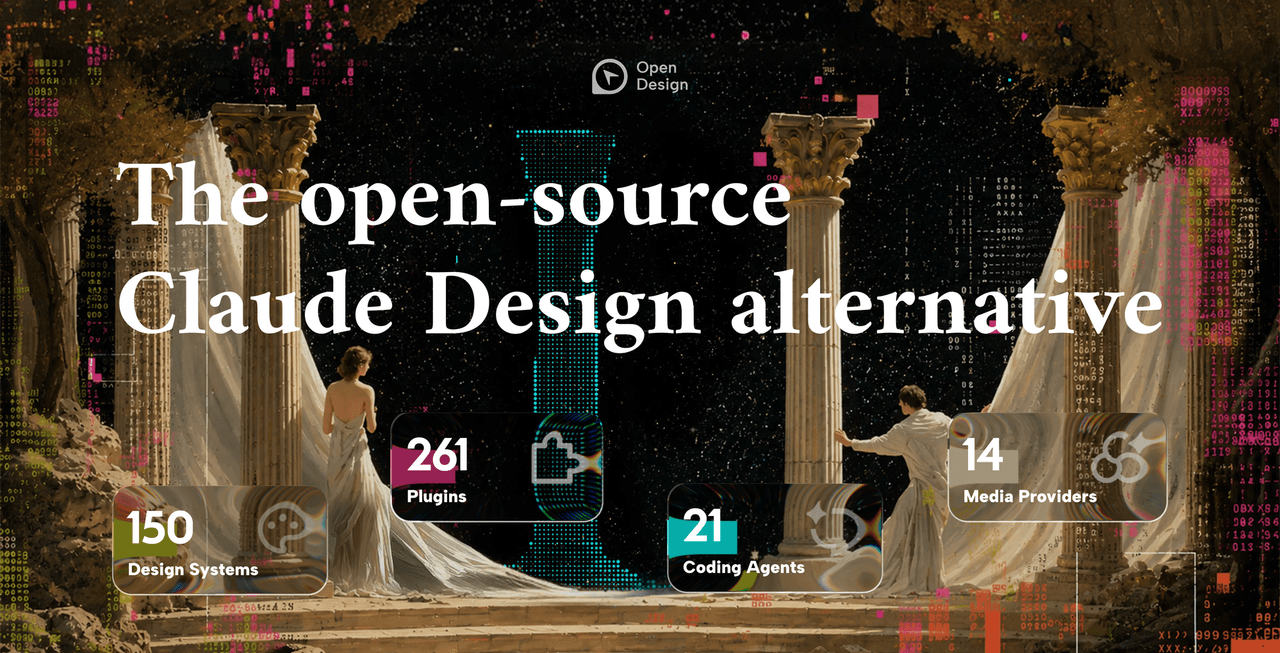 nexu-io/open-design
🎨 Best DeepSeek Harness Design Plugin. The open-source Claude Design alternative. 🖥️ Local-first desktop app. 🖼️ Your…
nexu-io/open-design
🎨 Best DeepSeek Harness Design Plugin. The open-source Claude Design alternative. 🖥️ Local-first desktop app. 🖼️ Your…
-
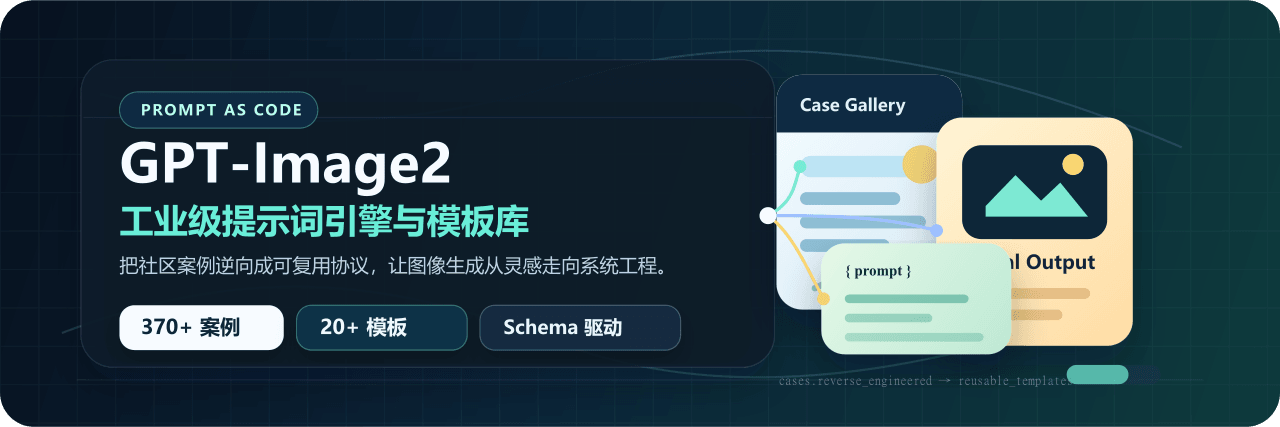 freestylefly/awesome-gpt-image-2
Prompt as Code | GPT-Image2 工业级提示词引擎与模板库,530+ 个案例逆向工程,20+ 套工业级模板,并提炼出Skills,持续更新中
freestylefly/awesome-gpt-image-2
Prompt as Code | GPT-Image2 工业级提示词引擎与模板库,530+ 个案例逆向工程,20+ 套工业级模板,并提炼出Skills,持续更新中
-
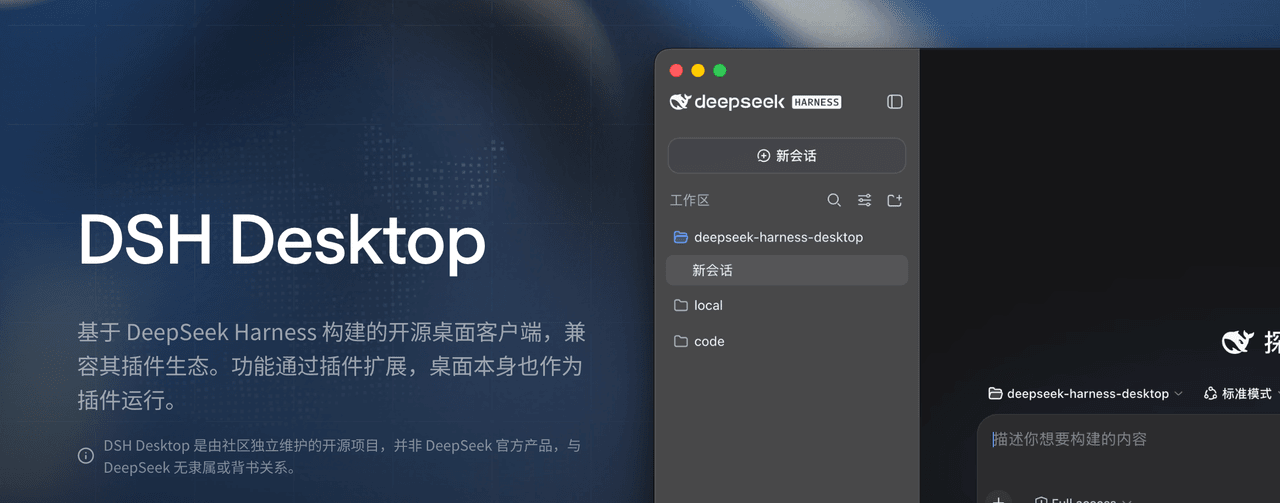 anywhere-labs/dsh-desktop
为 DeepSeek Harness (DSH) 插件生态打造的现代化桌面端解决方案。万物皆「插件」,桌面本身也是「插件」。
anywhere-labs/dsh-desktop
为 DeepSeek Harness (DSH) 插件生态打造的现代化桌面端解决方案。万物皆「插件」,桌面本身也是「插件」。
- Nagi-ovo/voyager Enhancement suite for Gemini, AI Studio, Claude & ChatGPT — plus a prompt manager for any web UI, DeepSeek Harness inclu…
-
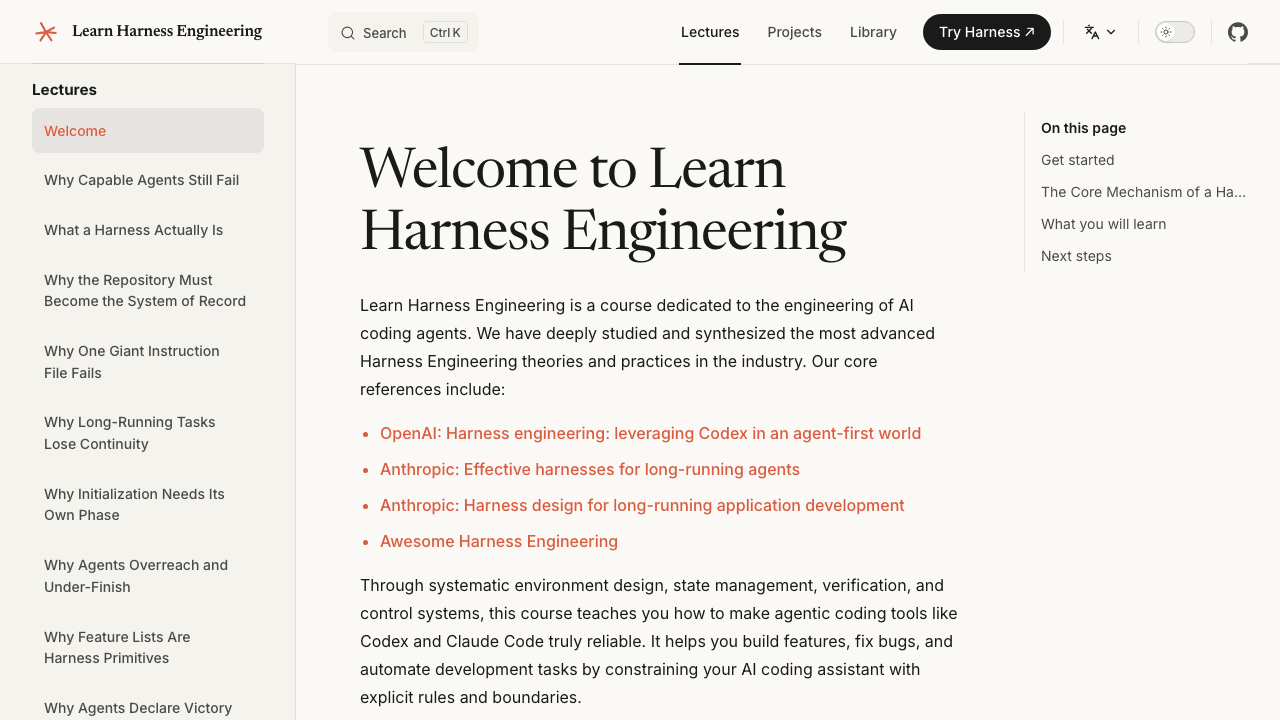 walkinglabs/learn-harness-engineering
Harness engineering beginner tutorial, from 0 to 1
walkinglabs/learn-harness-engineering
Harness engineering beginner tutorial, from 0 to 1
-
 awesome-dsh-plugin/awesome-dsh-plugin
A curated list of plugins for DeepSeek Harness (dsh) · DeepSeek Harness 插件精选列表
awesome-dsh-plugin/awesome-dsh-plugin
A curated list of plugins for DeepSeek Harness (dsh) · DeepSeek Harness 插件精选列表
-
 MemTensor/MemOS
Self-evolving memory OS for LLM & AI Agents: ultra-persistent memory, hybrid-retrieval, and cross-task skill reuse, with…
MemTensor/MemOS
Self-evolving memory OS for LLM & AI Agents: ultra-persistent memory, hybrid-retrieval, and cross-task skill reuse, with…
- yjh051108/dsh-routing-suite dsh-routing-suite — injector + router-standard kit: install the runtime injector first, then the task-aware reasoning-mo…