GodD6366/dsh-sub2api
将你的sub2api网关连接到DeepSeek Harness:通过一个基础URL实现OpenAI兼容的多提供商路由(OpenAI / Claude / Grok / Gemini),支持按密钥的模型发现、用量查询和设置页面。
项目介绍Project Overview
dsh-sub2api 是 DSH 插件,把 sub2api 网关接入为 OpenAI、Claude、Grok、Gemini 四条模型路由,支持流式、工具调用、模型拉取、用量查询、推理强度与自动识图。需要把订阅额度网关统一接入 Harness 时使用;注意密钥按平台分组配置,且依赖 pi-ai 适配器,只读安装需手动运行补丁脚本。
dsh-sub2api is a DSH plugin that connects a sub2api gateway as OpenAI, Claude, Grok, and Gemini model providers. It supports streaming, tool calls, model discovery, usage lookup, reasoning effort, global image tools, and Auto Vision wrappers. Use it when subscription quota should be exposed through Harness as OpenAI-compatible routes. Keys are group-specific, and it relies on the pi-ai adapter; read-only installs require running the patch script manually.
请帮我了解并安装插件:【dsh-sub2api】【https://github.com/GodD6366/dsh-sub2api】把上面这条消息直接发给当前会话里的 DSH,让它帮你了解并安装。安装命令不一定准确,发给 DSH 更稳。Send this message to DSH in your current session. CLI install commands may not be accurate across systems — DSH will figure it out for you.
或使用命令行安装(适合开发者)Or use CLI install (for developers)
命令行安装CLI Install
dsh plugin --profile web add @godd6366/dsh-sub2api把 GodD6366/dsh-sub2api 加入你的 DSH 配置(web profile)即可启用。
READMEREADME
dsh-sub2api
Connect your sub2api gateway to DeepSeek Harness as model providers.
Sub2API is an AI API gateway that turns subscription quota into OpenAI-compatible endpoints. In its model, each API key is bound to a group, and the group decides the platform (OpenAI / Claude / Grok / Gemini) and the models that key can serve. The four provider routes (sub2api-openai, sub2api-claude, sub2api-grok, sub2api-gemini) are served by the harness's own pi-ai adapter (dsh-llm-pi-ai): this plugin translates its llm-sub2api: settings into llm-pi-ai: provider profiles (all sharing one bare-host base URL, no /v1), and protocol serialization, streaming, and usage accounting all live in pi-ai. The same gateway serves OpenAI, Claude, Grok, and Gemini models side by side, and the harness routes each request to the key whose group owns the requested model.
Features
- One base URL, four provider routes:
sub2api-openai,sub2api-claude,sub2api-grok,sub2api-gemini— each configured with its own key, registered as a live LLM provider the moment the key is set. - Streaming chat (backed by pi-ai): SSE streaming, tool calls, reasoning deltas, and token usage are mapped to the harness protocol by
dsh-llm-pi-ai, which natively handles wire-format details like top-levelfunction_callitems in the Responses API. - Model discovery: one-click "fetch models" calls
GET {baseURL}/modelswith the key, so each route's catalog matches exactly what the sub2api group serves. - Reasoning effort (thinking mode):
reasoning_effortis passed straight through to the gateway and adjustable right in the chat model selector; the settings page's per-model "reasoning strength" column fills each model's real levels from models.devreasoning_options(e.g.gpt-5.6-sol→ none/low/medium/high/xhigh/max,deepseek-v4-flash→ low/high/max), with editable levels and an explicit opt-out. - Usage lookup: "view usage" calls
GET {baseURL}/usageand summarizes quota, balance, rate limits, and subscription windows. - Standards-based config: base URL and model catalogs live in the
llm-sub2api:settings section ($DSH_HOME/settings.yaml, written by the web Models page); keys go through the harness credential store. - Global vision / image tools:
analyze_imageandgenerate_imagestay available even when the current chat model cannot see or create images. They call a dedicated vision or image model configured on the settings page, and return a description or a workspace file path rather than injecting image blocks into a text-only session. - Auto Vision wrapper: image capability for text-only models. Every registered text-only provider route gets a same-name twin (
<route>-vision, shown as "… + 自动识图") — our ownsub2api-*routes and external providers (officialdeepseek-official,llm-pi-ai, routes added by other plugins). Twin models carry a-visionid/name suffix (e.g.deepseek-v4-flash-vision) so the picker shows at a glance which models accept images; the suffix is stripped again when the call is delegated back to the base route. The twin's catalog declaresinputModalities: ['text', 'image']so the harness attachment admission passes, and the twin's stream rewrites image blocks into vision-model transcriptions (via the configuredtools.analyzemodel, cached per attachment) before delegating the text-only turn to the original route's adapter. DeepSeek stays the brain; the vision model is only the eyes. Twins followllm/adapters-updatedand skip names already taken by other plugins. Disable withautoVision: false. - Provider icons from lobehub/lobe-icons, embedded as SVG in the settings page.
Install
dsh plugin --profile web add @godd6366/dsh-sub2api
or, from this repository:
dsh plugin --profile web add .
Configure
Open Settings → Sub2API 模型 (or edit $DSH_HOME/settings.yaml directly):
llm-sub2api:
  baseURL: http://localhost:8080
  providers:
    openai:
      apiKeyEnv: SUB2API_OPENAI_API_KEY
      models:
        - id: gpt-4o
    claude:
      apiKeyEnv: SUB2API_CLAUDE_API_KEY
    grok:
      apiKeyEnv: SUB2API_GROK_API_KEY
    gemini:
      apiKeyEnv: SUB2API_GEMINI_API_KEY
  tools:
    analyze:
      provider: openai
      model: gpt-4o
    generate:
      provider: openai
      model: gpt-image-1
Store each key through the credentials service (the web Models page writes it, or export SUB2API_OPENAI_API_KEY=… etc.). A route activates only when its platform has a key; clear the key to drop the route again.
Wire protocol (automatic per group)
The gateway serves each platform group upstream through its NATIVE protocol, and pi-ai picks the endpoint automatically from the key's group — no configuration needed. Configure the bare host (no /v1): OpenAI-style endpoints get /v1 appended automatically, and the Anthropic SDK appends /v1/messages itself:
| Group | Protocol used | Endpoint |
|---|---|---|
| openai | openai-responses |
POST {baseURL}/v1/responses |
| claude | anthropic-messages |
POST {baseURL}/v1/messages |
| grok / gemini | openai-completions |
POST {baseURL}/v1/chat/completions |
Speaking the native protocol means the gateway never has to convert chat/completions — that conversion is what drops/misaligns tool-call names and ids for parallel calls (unknown tool "", missing required property …). To force a different endpoint for a group whose gateway does not serve it natively, declare api on the provider in $DSH_HOME/settings.yaml (advanced; no settings-page control):
llm-sub2api:
  baseURL: http://localhost:8080
  providers:
    openai:
      apiKeyEnv: SUB2API_OPENAI_API_KEY
      api: openai-completions   # optional: openai-completions / openai-responses / anthropic-messages
      models:
        - id: gpt-4o
api accepts openai-completions (/v1/chat/completions), openai-responses (/v1/responses), or anthropic-messages (/v1/messages); omitted means the automatic group default above.
Relationship to dsh-llm-pi-ai
This plugin no longer implements the LLM protocol layer itself: the four sub2api-* routes are served by dsh-llm-pi-ai (shipped dormant with dsh-base) through llm-pi-ai: settings profiles. On every llm-sub2api: change (and at boot) the plugin translates the bare-host base URL, per-group models, and key references into hand-declared profiles and writes them to llm-pi-ai:, so routes register/drop live. The settings page, model discovery (GET /v1/models), usage lookup (GET /v1/usage), the vision/image tools, and the Auto Vision twins remain this plugin's own.
Dependency (pi-ai multi-turn crash; attribution: dsh-llm-pi-ai violates pi-ai's contract): pi-ai's
AssistantMessage.usageis a required field that its prefix-token estimation dereferences, but the harness's owndsh-llm-pi-airebuilds assistant history withoutusage(the harnessMessagetype records none), so multi-turn conversations throwCannot read properties of undefined (reading 'totalTokens'). The root fix belongs in dsh-llm-pi-ai (attach a zeroUsage); this plugin applies a defensive guard at boot (assistant.usage !== undefinedbefore counting prefix tokens) to@earendil-works/pi-ai/dist/utils/estimate.jsinside the dsh install — idempotent, re-applied automatically after a dsh upgrade, so a fresh install works out of the box; on a read-only install runnode scripts/patch-pi-ai.mjsmanually.Auto Vision twins and replay: the twin delegates history to the base route with the base provider id, so pi-ai stamps its replay state with that provider while the harness records the message under the twin route — replaying it would fail pi-ai's
provider does not match assistant sourcecheck (INVALID_REPLAY_STATE). The twin therefore stripsreplayStatefrom assistant history before delegating (pi-ai then treats it as foreign); twin conversations intentionally skip provider-native replay.
Image input & reasoning effort (auto-filled)
Attaching an image to the session model requires that model to declare the image input modality — otherwise the harness refuses before sending ("model does not support images"). Both fields are auto-filled from models.dev — no manual selection (the model details panel shows the derived values read-only):
- Image input: derived from models.dev
attachment/modalities.inputwhen present (e.g. gpt-5.6-luna → text+image, deepseek-v4-flash → text); otherwise guessed from the model id (gpt-*,claude-*,gemini-*,grok-*,glm-*, … default to text+image). Pin a model to text-only withinput: [text]in$DSH_HOME/settings.yaml. - Reasoning effort: derived from models.dev
reasoning_optionswhen present (e.g. deepseek-v4-flash → high/max); otherwise the default low/medium/high, and models withreasoning: falseare marked unsupported.
When the model accepts images, the request carries the image in the group's native protocol: openai → Responses input_image, claude → Messages image (base64), grok/gemini → chat-completions image_url.
Pick the dedicated vision / image models under Settings → Sub2API 模型 → 全局图像工具. Those two tools stay global: a text-only chat model can still call analyze_image (local file or URL) and generate_image (writes into the session workspace). Generation first tries POST {baseURL}/images/generations, then falls back to chat completions when the gateway has no images endpoint.
Development
npm install
npm run build     # tsdown → lib/ + client wrapper
npm run typecheck
License
MIT
相关推荐Related
-
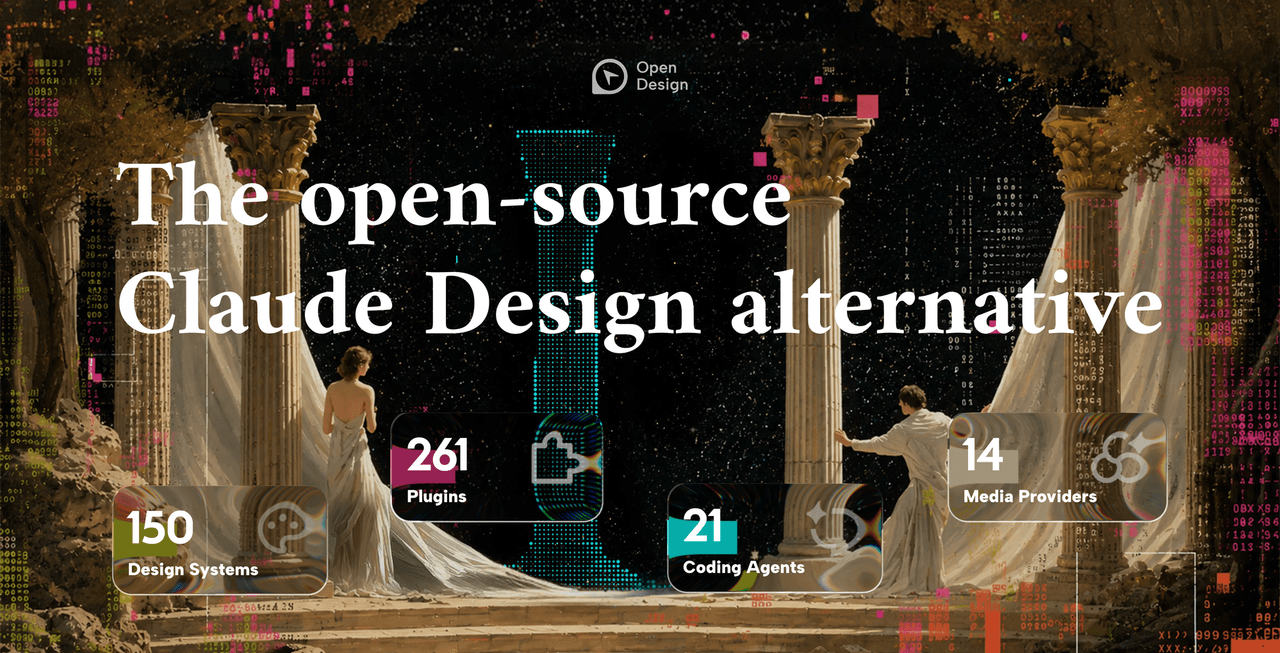 nexu-io/open-design
🎨 Best DeepSeek Harness Design Plugin. The open-source Claude Design alternative. 🖥️ Local-first desktop app. 🖼️ Your…
nexu-io/open-design
🎨 Best DeepSeek Harness Design Plugin. The open-source Claude Design alternative. 🖥️ Local-first desktop app. 🖼️ Your…
-
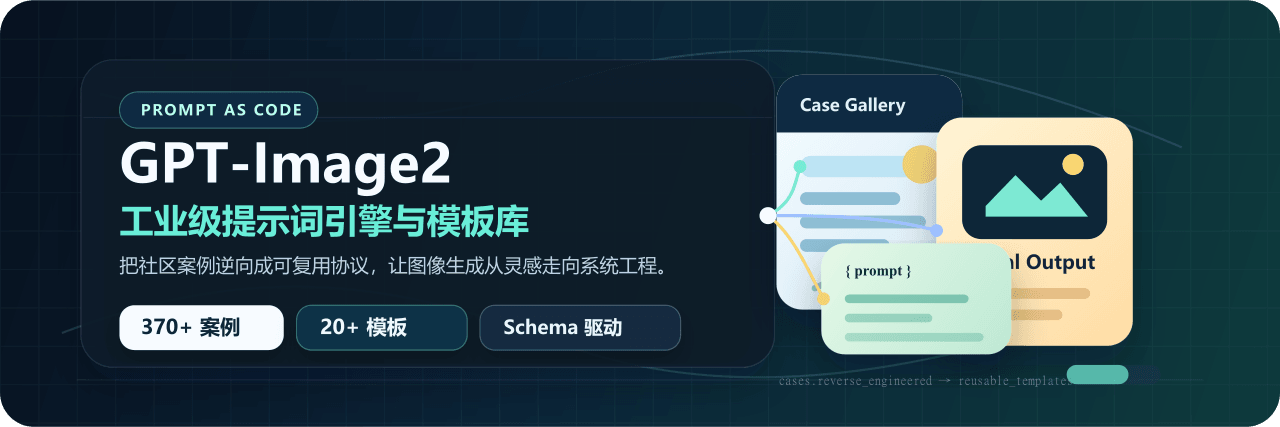 freestylefly/awesome-gpt-image-2
Prompt as Code | GPT-Image2 工业级提示词引擎与模板库,530+ 个案例逆向工程,20+ 套工业级模板,并提炼出Skills,持续更新中
freestylefly/awesome-gpt-image-2
Prompt as Code | GPT-Image2 工业级提示词引擎与模板库,530+ 个案例逆向工程,20+ 套工业级模板,并提炼出Skills,持续更新中
-
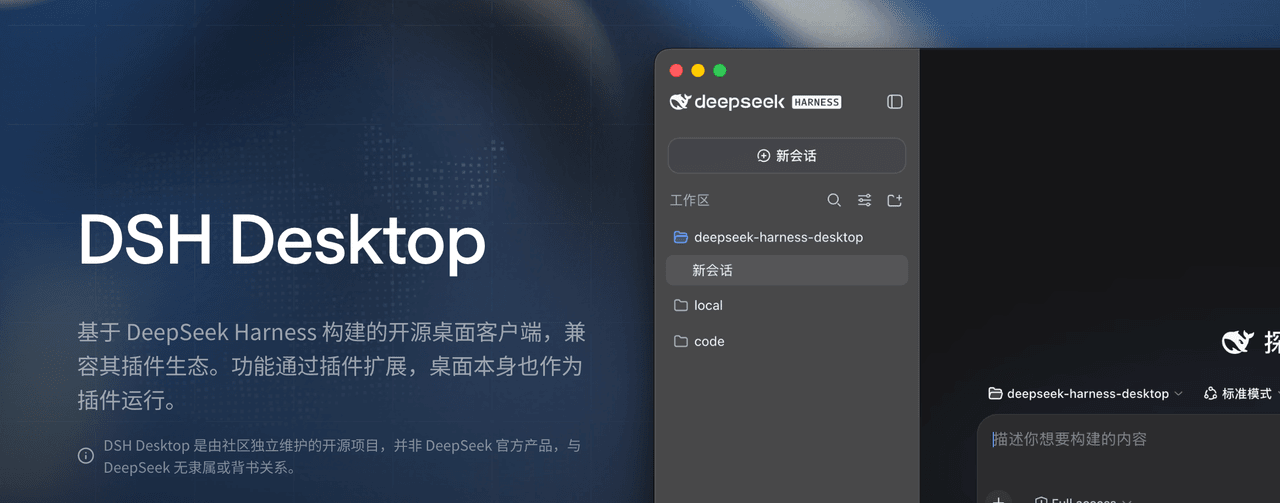 anywhere-labs/dsh-desktop
为 DeepSeek Harness (DSH) 插件生态打造的现代化桌面端解决方案。万物皆「插件」,桌面本身也是「插件」。
anywhere-labs/dsh-desktop
为 DeepSeek Harness (DSH) 插件生态打造的现代化桌面端解决方案。万物皆「插件」,桌面本身也是「插件」。
- Nagi-ovo/voyager Enhancement suite for Gemini, AI Studio, Claude & ChatGPT — plus a prompt manager for any web UI, DeepSeek Harness inclu…
-
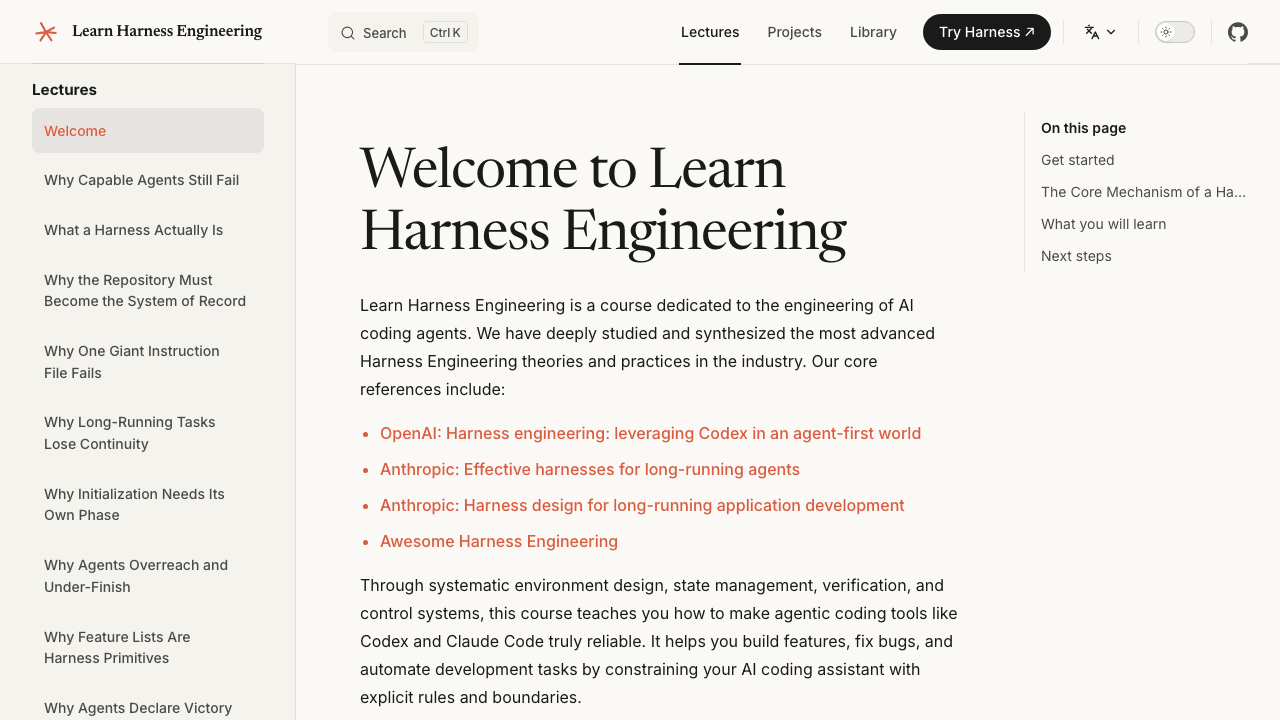 walkinglabs/learn-harness-engineering
Harness engineering beginner tutorial, from 0 to 1
walkinglabs/learn-harness-engineering
Harness engineering beginner tutorial, from 0 to 1
-
 awesome-dsh-plugin/awesome-dsh-plugin
A curated list of plugins for DeepSeek Harness (dsh) · DeepSeek Harness 插件精选列表
awesome-dsh-plugin/awesome-dsh-plugin
A curated list of plugins for DeepSeek Harness (dsh) · DeepSeek Harness 插件精选列表
-
 MemTensor/MemOS
Self-evolving memory OS for LLM & AI Agents: ultra-persistent memory, hybrid-retrieval, and cross-task skill reuse, with…
MemTensor/MemOS
Self-evolving memory OS for LLM & AI Agents: ultra-persistent memory, hybrid-retrieval, and cross-task skill reuse, with…
- yjh051108/dsh-routing-suite dsh-routing-suite — injector + router-standard kit: install the runtime injector first, then the task-aware reasoning-mo…