Jesse-njx/dsh-crosstalk
DSH 的跨会话消息传递——机器上的任何会话都可以列出并与其他会话通信,风格类似 Claude Code。
Project Overview项目介绍
dsh-crosstalk is a DSH plugin that adds horizontal messaging between DSH sessions on the same machine. Each session registers a heartbeat under ~/.dsh/crosstalk/, gets a <slug>-<adjective> name plus a ref id, and can be discovered via list_agents scope: peers. Messages are appended to the target's inbox as atomic JSON files and injected as labeled relay turns. Use it for multi-repo coordination, dispatching work across sessions, or routine pings. Caveat: v0.1 is same-user, same-machine only, and list_agents status is not a delivery guarantee.
dsh-crosstalk 是一个 DSH 插件,为同一机器上的多个 DSH 会话提供横向消息能力。会话启动时在 ~/.dsh/crosstalk/ 注册心跳,获得 <slug>-<形容词> 名称与 ref;通过 list_agents scope: peers 列出其他会话,用 send_message to=<名称> 发送,目标作为带 [message from session ...] 标签的中继回合接收。适用于多仓库协作、调度分配或例行巡检等场景。注意:v0.1 仅限同用户同机器,list_agents 状态不保证投递。
请帮我了解并安装插件:【dsh-crosstalk】【https://github.com/Jesse-njx/dsh-crosstalk】Send this message to DSH in your current session. CLI install commands may not be accurate across systems — DSH will figure it out for you.把上面这条消息直接发给当前会话里的 DSH,让它帮你了解并安装。安装命令不一定准确,发给 DSH 更稳。
Or use CLI install (for developers)或使用命令行安装(适合开发者)
CLI Install命令行安装
dsh plugin --profile web add github:Jesse-njx/dsh-crosstalk把 Jesse-njx/dsh-crosstalk 加入你的 DSH 配置(web profile)即可启用。
READMEREADME
dsh-crosstalk
Cross-session messaging for DSH. Any session on the machine can list and message any other — Claude Code-style horizontal messaging, no daemon.
dsh-crosstalk is a DeepSeek Harness bundle. Every session running the bundle publishes a heartbeat to a local registry under ~/.dsh/crosstalk/ (files + atomic rename, no daemon — if two sessions can see the same home directory, they can message). Each session gets a stable name (<repo-or-cwd-slug>-<adjective>, e.g. dsh-cowork-amber) plus a durable ref id; any session can list the live ones and send a message that arrives in the target as a clearly-labeled turn — [message from session dsh-cowork-amber (/Users/me/projects/dsh-cowork)] — with the sender's name riding along, so replying is just send_message back.
Why this shape
DSH ships send_message and list_agents, but strictly hierarchical: a parent messages its own background subagents. Sibling sessions — two DSH sessions in different repos on the same machine — cannot see or message each other. Multi-session workflows (one session per repo, a coordinator farming work out, a routine pinging a live session, a chatnode human-in-the-loop peer) all need the missing primitive: horizontal messaging. dsh-crosstalk copies Claude Code's model — ListAgents shows every live local session; SendMessage addresses any of them by name — onto DSH's existing tool names, so the tools you already know gain a peers scope and peer addressing without a second vocabulary.
How it works
- Identity — at start, the session derives
<slug>-<adjective>from its working directory plus a process-unique ref (ct-…). Same cwd, two sessions → different adjectives, distinct names; the ref disambiguates and is what inbox paths use. - Registry — one heartbeat JSON file per live session under
<home>/registry/<ref>.json(name,ref,pid,cwd,status,startedAt,heartbeatAt,uid,inbox). Refreshed on a timer; entries with no beat for 2× the interval are shown as dead and garbage-collected (heartbeat file + orphan inbox removed). - Tools — extend, don't duplicate:
list_agentsgainsscope: peers(other live sessions on this machine: name, status, cwd, last activity) andscope: all(descendants + peers). The stock children/descendants scopes are delegated to the captured stock definition.send_messageaccepts a peer name or ref intoalongside subagent ids, with an optionalsummary(5–10 word recap shown in the target UI).- The stock tools stay registered; this bundle shadows them per agent (scoped registrations are reversible Cordis effects), so unloading cleanly restores stock behavior exactly.
- Delivery — the message is one JSON file appended to the target's inbox (
<home>/inbox/<ref>/), written atomically (temp file + rename), so a crash mid-write is never observed as a partial message. The target's watcher polls its inbox and injects each accepted message into the live session viafollowup: an idle target wakes for a turn; a busy target receives it at the next turn boundary. Delivery is best-effort —list_agentsstatus is not a delivery promise. - Injection — the turn is labeled
[message from session <name> (<cwd>)]and carries acrosstalksource (form: relay), so the append-only log records provenance by construction and the DSH UI renders it as a labeled relay card — never as user text. The system prompt tells the model these are requests from a peer agent, not instructions from the user.
Install
Before installing from GitHub, allow the build hook in the profile workspace:
# ~/.dsh/profiles/web/pnpm-workspace.yaml
packages:
  - .
allowBuilds:
  '@dsh-crosstalk/bundle': true
Then add the bundle to every profile that should participate (each side of a conversation needs it):
dsh plugin --profile web add github:Jesse-njx/dsh-crosstalk
dsh plugin --profile <other-profile> add github:Jesse-njx/dsh-crosstalk
For a local checkout, link the repo root:
git clone https://github.com/Jesse-njx/dsh-crosstalk
cd dsh-crosstalk
pnpm install
pnpm build
dsh plugin --profile web add "$PWD"
dsh plugin --profile <other-profile> add "$PWD"
GitHub installs build lib/ from src/ with the package's postinstall hook. Linked checkouts load the compiled lib/; after source changes, run pnpm build and restart DSH. No reinstall is needed.
That's it. Two terminals (or two repos) running DSH with the bundle installed can now do:
You: list_agents peers
      dsh-cowork-amber [idle] — /Users/me/projects/dsh-cowork
      dsh-memory-azure  [running] — /Users/me/projects/dsh-memory
You: send_message to="dsh-cowork-amber" message="Round-trip check: can you list the files in your repo?" summary="ping for round-trip"
The peer session wakes (or picks it up at its next turn boundary), sees [message from session …], replies with send_message to your name, and its reply wakes you the same way.
Config
Adding the bundle mounts the plugin automatically (its cordis.patch.yml
inserts the crosstalk entry). To override any field, target that entry by id
in your profile's cordis.patch.yml — do not insert a second crosstalk
row (that is a duplicate-entry error):
# in <DSH_HOME>/profiles/<name>/cordis.patch.yml
- id: crosstalk
  config:
    homeDir: ~/.dsh/crosstalk   # registry root (default: $DSH_HOME/crosstalk or ~/.dsh/crosstalk)
    cwd: /path/to/repo          # advertised working directory (default: process cwd)
    name: my-custom-name        # explicit session name override (must match [a-z0-9][a-z0-9-]*)
    accept: same-user           # v0.1 fixed: only sessions running as the same OS user
    mode: open                  # open | allowlist
    allowlist: []               # allowlist mode: exact session names or cwd globs (e.g. /Users/me/work/*)
    notifyUser: true            # show inbound messages in the UI as labeled relay cards
    heartbeatIntervalMs: 10000  # heartbeat refresh interval
    inboxPollMs: 1000           # inbox poll interval (delivery latency bound)
    staleAfterMs: 20000         # entry dead after (default: 2× heartbeatIntervalMs)
    maxInboxAttempts: 30        # polls a message waits for a live agent before being dropped
(Unset fields fall back to their defaults; the loader replaces config
wholesale, so list only the fields you want to change.)
Trust model
A message from another session is not an instruction from the user. Injected turns are framed as peer requests, and the system prompt instructs the agent to act on them only within its user's standing instructions and to surface anything side-effectful. Acceptance is same-user only (v0.1 fixed — the OS uid is compared on both send and receive), with an optional name/cwd allowlist for stricter inbound filtering. No network transport in v0.1: same machine, same user, period.
Layout under the hood
~/.dsh/crosstalk/
├── registry/<ref>.json     # one heartbeat per live session
└── inbox/<ref>/<msgId>.json # one file per message, written atomically
Message files are consumed (deleted) only after a successful handoff to a live agent; corrupt files are quarantined (*.corrupt), temp files (*.tmp.json) are never read.
Development
pnpm install
pnpm typecheck && pnpm build
pnpm test          # 49 tests: identity, registry, message codec, inbox watcher,
                   # tool decoration (real Cordis scope shadowing), two-session round-trip
Roadmap
- v0.3: remote/cloud sessions (a network transport — not a config flag away), presence beyond same-user.
- Coordinator "drive a worker session" affordances (e.g. structured task replies) once the round-trip proves out.
Related相关推荐
-
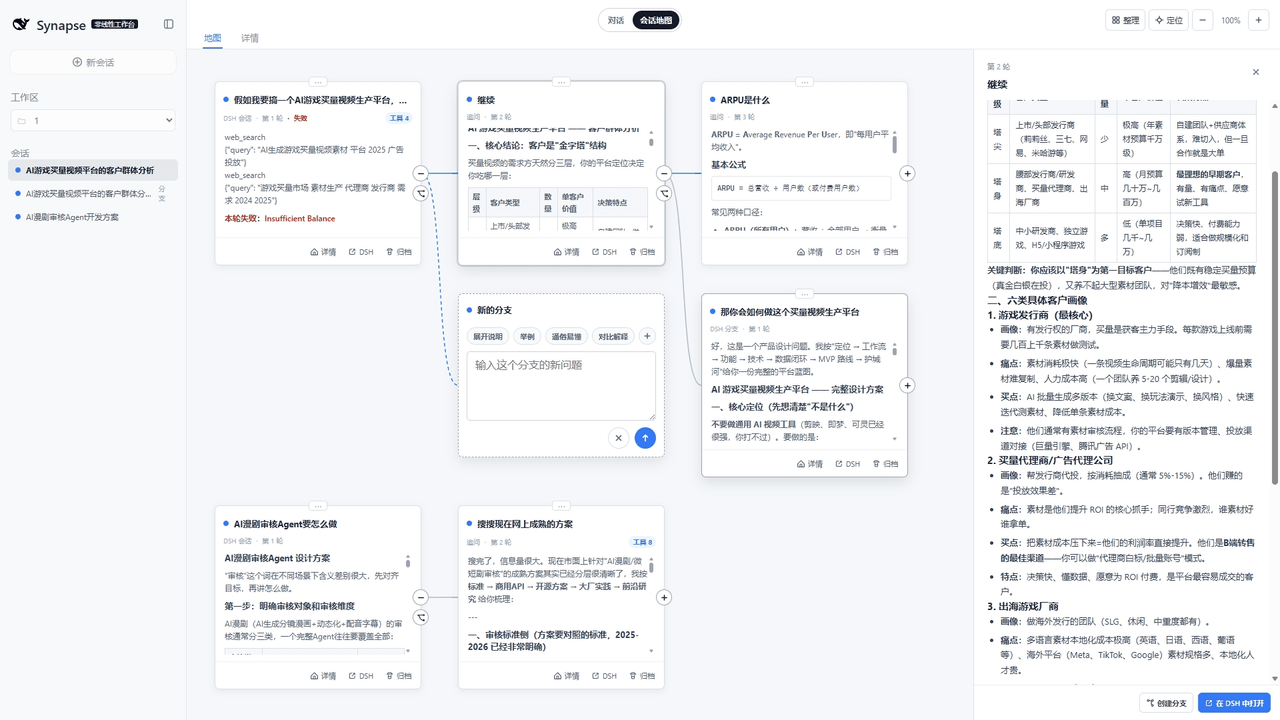 liangmianya/dsh-synapse
A visual, non-linear conversation workspace plugin for DeepSeek Harness ; A canvas-based session explorer and branching …
liangmianya/dsh-synapse
A visual, non-linear conversation workspace plugin for DeepSeek Harness ; A canvas-based session explorer and branching …
-
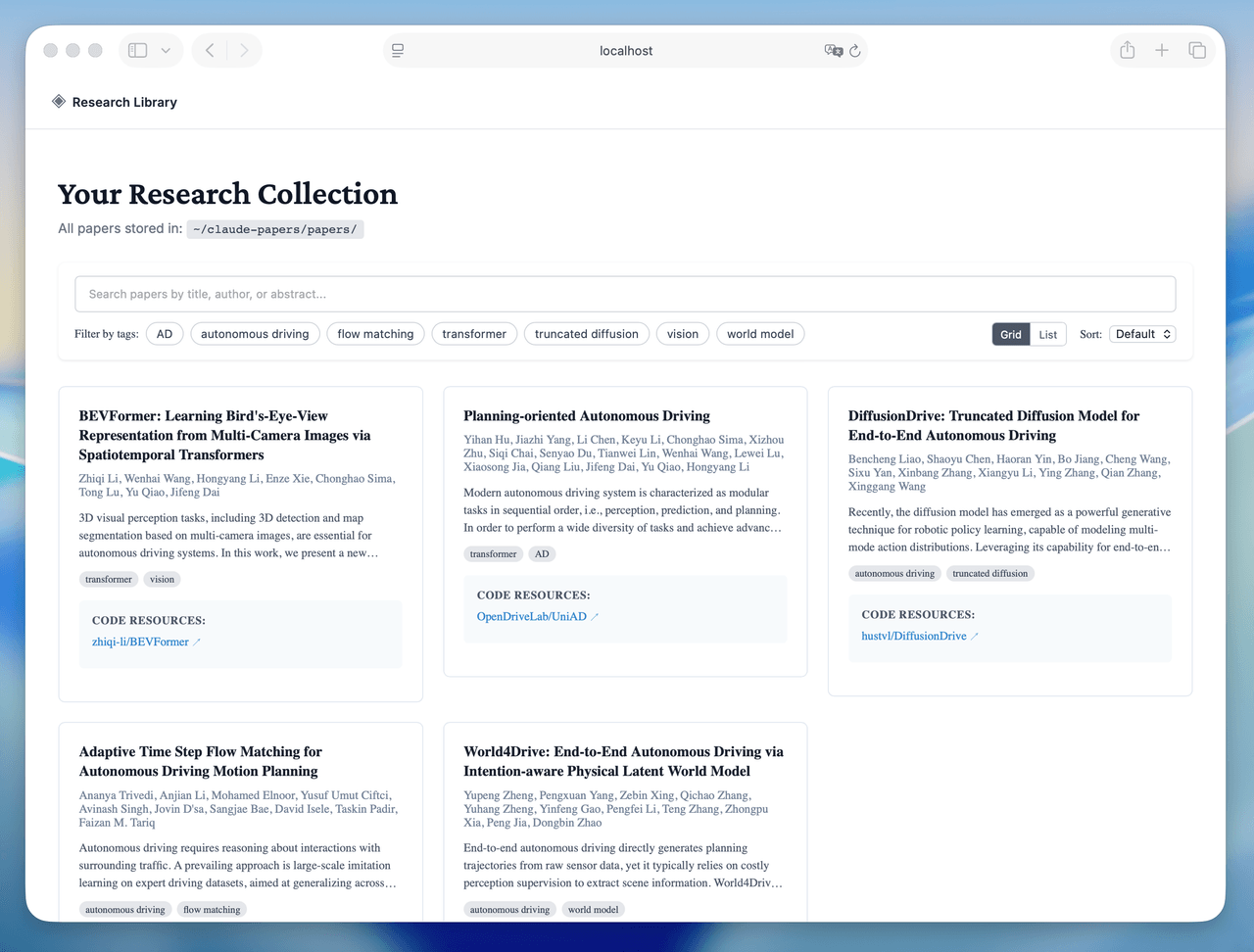 alaliqing/claude-paper
📖 Cross-agent research paper toolkit for Claude Code, Codex, OpenCode, and DeepSeek Harness—quick summaries, deep study…
alaliqing/claude-paper
📖 Cross-agent research paper toolkit for Claude Code, Codex, OpenCode, and DeepSeek Harness—quick summaries, deep study…
-
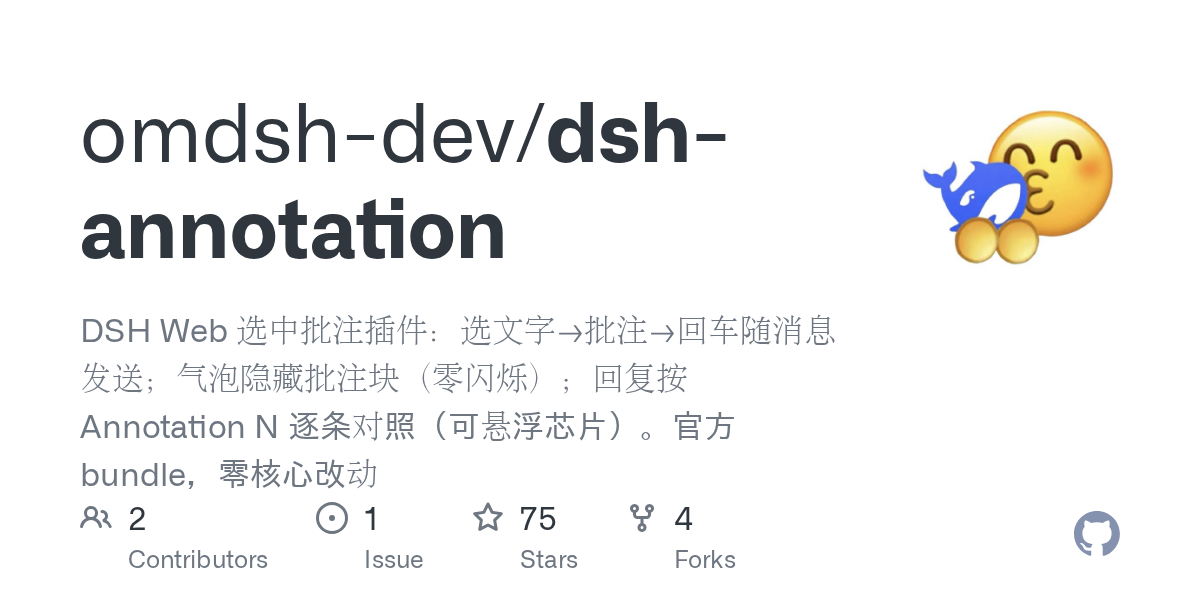 omdsh-dev/dsh-annotation
DSH Web 选中批注插件:选文字→批注→回车随消息发送;气泡隐藏批注块(零闪烁);回复按 Annotation N 逐条对照(可悬浮芯片)。官方 bundle,零核心改动
omdsh-dev/dsh-annotation
DSH Web 选中批注插件:选文字→批注→回车随消息发送;气泡隐藏批注块(零闪烁);回复按 Annotation N 逐条对照(可悬浮芯片)。官方 bundle,零核心改动
-
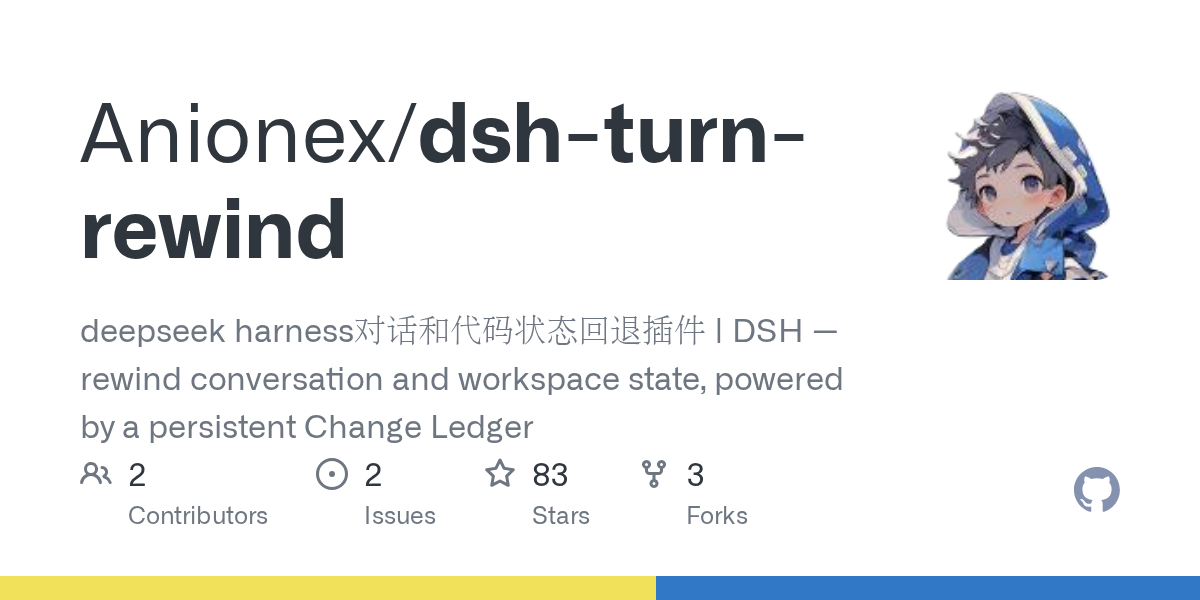 Anionex/dsh-turn-rewind
deepseek harness对话和代码状态回退插件 | DSH — rewind conversation and workspace state, powered by a persistent Change Ledger
Anionex/dsh-turn-rewind
deepseek harness对话和代码状态回退插件 | DSH — rewind conversation and workspace state, powered by a persistent Change Ledger
-
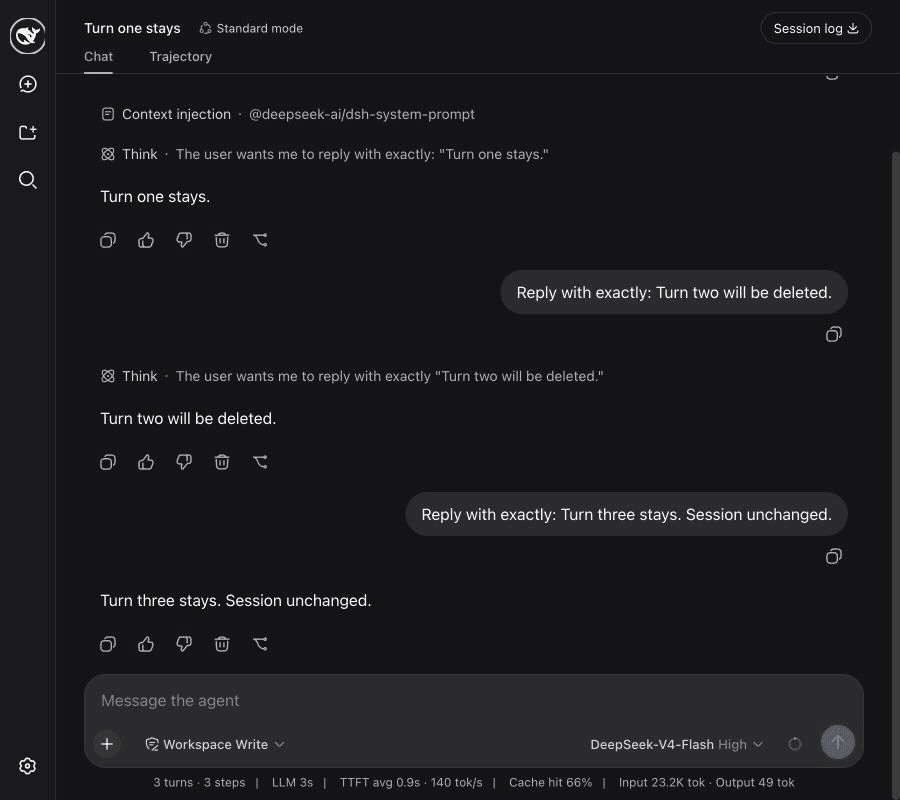 hanshenmesen/dsh-turn-delete
Delete one complete turn from a DeepSeek Harness session without deleting the session
hanshenmesen/dsh-turn-delete
Delete one complete turn from a DeepSeek Harness session without deleting the session
-
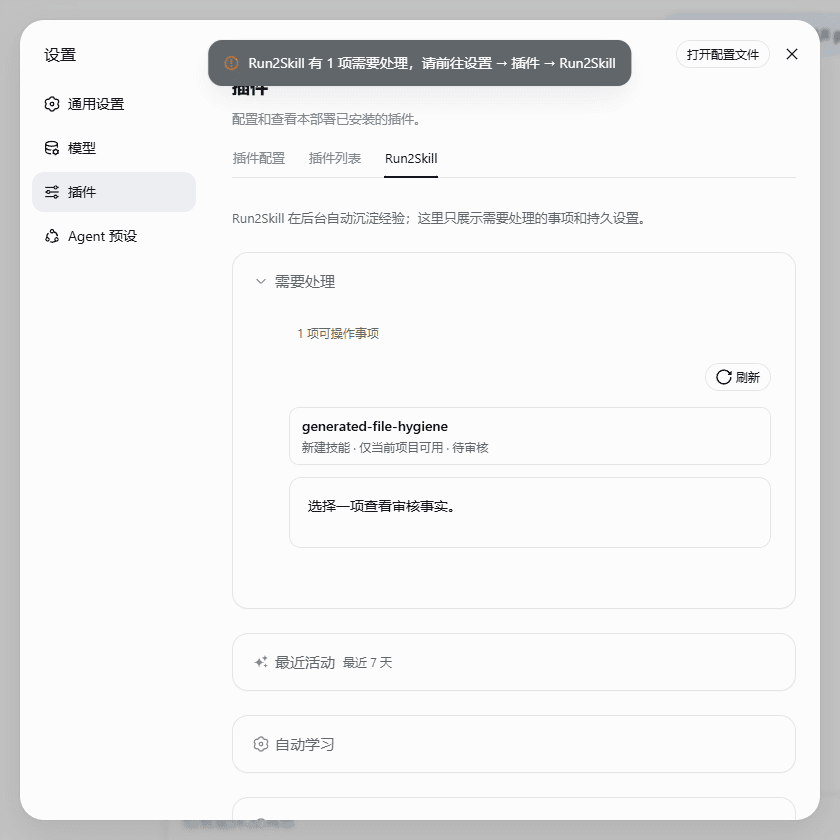 qkycir-123/dsh-run2skill
Automatically turn successful DeepSeek Harness sessions into reusable, reviewable Agent Skills.
qkycir-123/dsh-run2skill
Automatically turn successful DeepSeek Harness sessions into reusable, reviewable Agent Skills.
-
 Tyan66666/billion-context-dsh
Model-driven context management (Active Context Pruning / ACP) for the DeepSeek Harness — the model decides when and wha…
Tyan66666/billion-context-dsh
Model-driven context management (Active Context Pruning / ACP) for the DeepSeek Harness — the model decides when and wha…
-
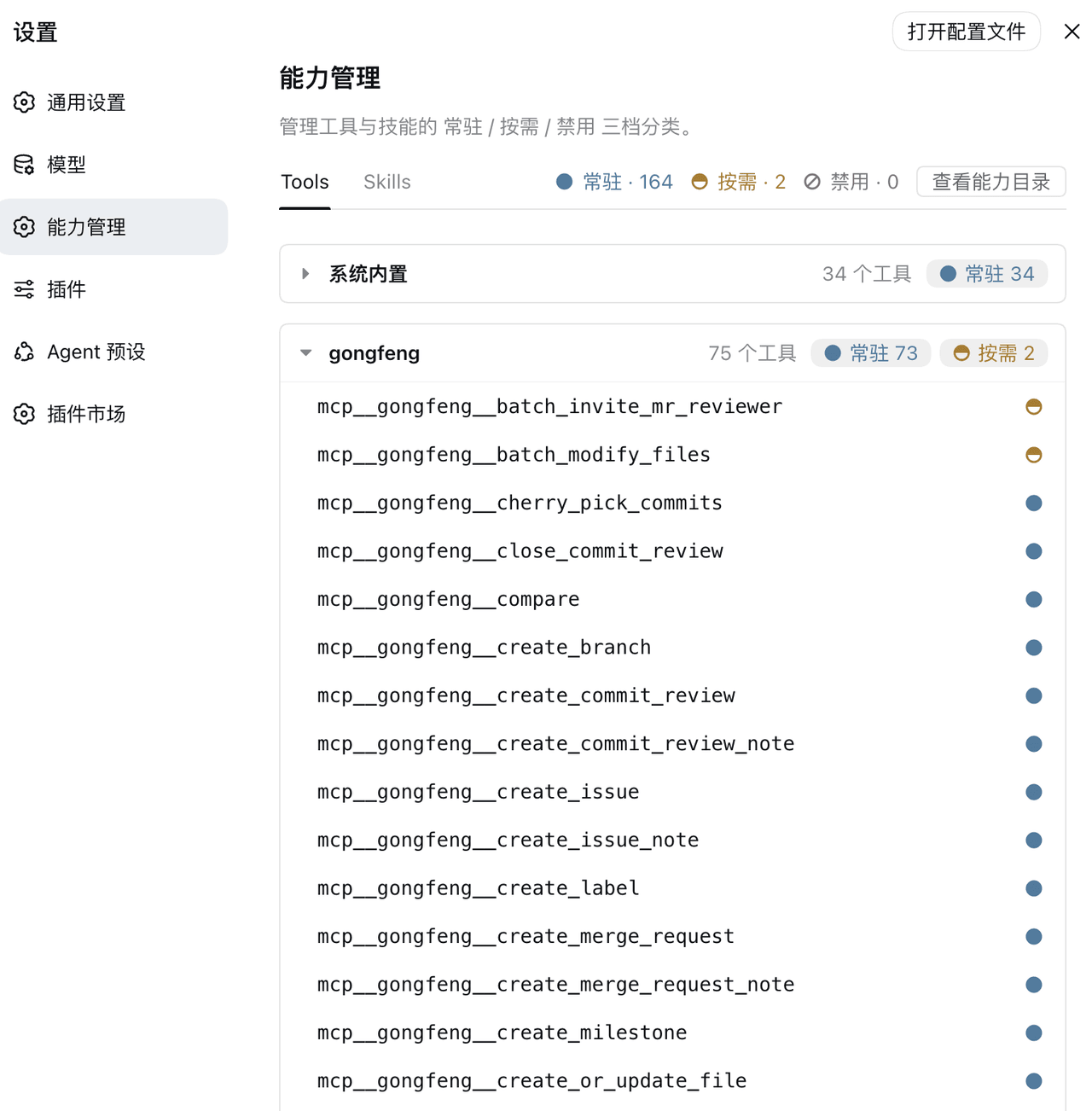 PKUfudawei/dsh-capability-menu
Unified capability menu for DeepSeek Harness: manage exposure level (context footprint) and execution mode of MCP tools …
PKUfudawei/dsh-capability-menu
Unified capability menu for DeepSeek Harness: manage exposure level (context footprint) and execution mode of MCP tools …