JinkaiLiu/dsh-autonomy
在DeepSeek Harness会话中无需退出即可在Chat与Agent之间切换。
项目介绍Project Overview
dsh-autonomy 是 DeepSeek Harness 插件,在 Web 界面添加常驻 Chat | Agent 切换控件,无需离开会话即可切换模式。Chat 模式移除工具架构并阻止工具循环,减少意外 token 消耗。适合需要简洁回答或控制执行时使用。注意:切换不取消已在运行的工具操作,且不替代沙箱或权限策略。
dsh-autonomy is a DeepSeek Harness plugin that adds a persistent Chat | Agent toggle above the Web composer, letting you switch modes mid-session without changing model, preset, or history. Chat mode removes tool schemas and blocks autonomous tool loops to reduce accidental token spend. Use it when you need concise answers or tighter control. Caveat: switching does not cancel an already-running tool operation.
请帮我了解并安装插件:【dsh-autonomy】【https://github.com/JinkaiLiu/dsh-autonomy】把上面这条消息直接发给当前会话里的 DSH,让它帮你了解并安装。安装命令不一定准确,发给 DSH 更稳。Send this message to DSH in your current session. CLI install commands may not be accurate across systems — DSH will figure it out for you.
或使用命令行安装(适合开发者)Or use CLI install (for developers)
命令行安装CLI Install
npx @deepseek-ai/dsh plugin --profile web add dsh-autonomy把 JinkaiLiu/dsh-autonomy 加入你的 DSH 配置(web profile)即可启用。
READMEREADME
dsh-autonomy
English | 简体中文
Switch between Chat and Agent without leaving your DeepSeek Harness session.
dsh-autonomy adds an always-visible Chat | Agent control on a dedicated row above the Web composer. It never overlays the text area or consumes space in the composer's tool row. The selection belongs to the current session, survives reloads and resumes, and follows a fork through the durable session log.
Why
Sometimes you want the harness to investigate, edit files, run commands, and keep going. Sometimes you only want a concise answer while you stay in control.
Changing agent presets does not solve that mid-session. dsh-autonomy changes the current session's autonomy without replacing its model, preset, history, sandbox, or permission policy.
The plugin was built in response to DeepSeek Harness Discussion #1644.
Token control, not a token cap
Chat mode can reduce accidental token spend when you only need an answer, explanation, or tightly guided collaboration.
It does this in two ways:
- Tool schemas are removed from the model request.
- Autonomous tool loops and follow-up execution steps are prevented.
This can avoid the kind of runaway agent session described in DeepSeek Harness Discussion #1644.
dsh-autonomy is not a token budget manager or a hard usage limit. Conversation history, prompt size, model output, and provider pricing still determine the final cost. It gives you direct control over when agentic execution is allowed.
| Mode | Model sees tools | Tool execution | Typical turn |
|---|---|---|---|
| Chat | No | Denied | One text response |
| Agent | Original DSH tool set | Original DSH policy | Normal agent loop |
Install
The plugin supports both active DeepSeek Harness prerelease API families: 0.1.0-rc.6+ and 0.1.1-rc.1+. It is verified against 0.1.0-rc.6, 0.1.0-rc.7, and 0.1.1-rc.2. Use Node.js ^22.19.0 or >=24.0.0, matching current DSH releases.
You need a working DeepSeek Harness CLI. Verify it without requiring a global installation:
npx @deepseek-ai/dsh --version
If your existing Harness setup does not provide a global dsh command, keep using the npx @deepseek-ai/dsh form shown below. It invokes the official CLI directly, so a separate global dsh installation is not required.
From npm:
npx @deepseek-ai/dsh plugin --profile web add dsh-autonomy
npx @deepseek-ai/dsh web
If DSH Web was already running during installation, stop it with Ctrl+C and start it again. An existing process does not hot-load newly installed plugins. If the default port is already occupied, stop the old DSH process or test on another port with npx @deepseek-ai/dsh web --port 3081.
From a local checkout:
pnpm install
pnpm run build
npx @deepseek-ai/dsh plugin --profile web add /absolute/path/to/dsh-autonomy
npx @deepseek-ai/dsh web
The package declares a DSH bundle, so dsh plugin adds both its host behavior and Web client control to the selected profile.
For a GitHub install, DSH's pnpm profile must allow this package's prepare build before retrying the add. A registry release or packed tarball ships built files and needs no install-time build permission.
Uninstall
Remove the bundle from the same profile where it was installed, then restart DSH Web:
npx @deepseek-ai/dsh plugin --profile web remove dsh-autonomy
npx @deepseek-ai/dsh web
The plugin does not keep a separate database or configuration directory. Historical /autonomy command records remain part of the session log, but have no effect after the plugin is removed.
Use
Click Chat or Agent above the composer, or run:
/autonomy chat
/autonomy agent
Every valid switch is recorded immediately through DSH's built-in command log, including during an open turn. That same record drives the UI, survives reloads, and changes the policy gates without waiting for another model step.
What Chat mode enforces
Chat mode uses three aligned layers:
- It restricts the agent's inherited tool surface.
- It removes every remaining tool schema from the final model request, including the reserved Code Mode transport.
- It guards execution in case a provider emits a remembered or otherwise unadvertised tool call.
It also adds a short system instruction telling the model to answer directly and ask the user to switch to Agent when action is required.
This is intentionally stronger than a prompt-only "please do not use tools" mode. It is also more reliable than rejecting step two: a model can request a tool in its first response, so step-count limiting alone does not create Chat mode.
Important boundary
Switching to Chat prevents tool calls that have not passed the execution gate yet. A tool body that is already running is not cancelled by the mode change, and earlier side effects are not rolled back. No action is required if you want that operation to finish; use the existing Stop control only when you want to cancel the active turn.
Chat mode does not weaken or replace DSH sandbox and permission policies. Agent mode restores the composed tool behavior; the existing policies still decide what those tools may do.
Permissions and data
dsh-autonomy runs in the DSH host process, as other trusted Cordis plugins do. It:
- does not make network requests, collect telemetry, or read provider credentials;
- does not read or write workspace files;
- records mode changes only through DSH's existing session command log;
- changes tool visibility and execution policy only for the affected session;
- sends
/autonomy chator/autonomy agentfrom the browser control to the local DSH command service.
Installing any third-party DSH plugin executes its code with the privileges of the DSH process. Review the source and package contents before installing it in an environment that holds sensitive data.
Troubleshooting
- The switch is missing: restart the DSH Web process after installation, confirm that the plugin was added to the
webprofile, then refresh the browser. unknown command: /autonomy: the Web client loaded but the host bundle did not. Stop every old DSH process and start the same profile again.- The default port is occupied: stop the older process or start with another port, for example
npx @deepseek-ai/dsh web --port 3081. - A GitHub-source install asks for build approval: allow the package's
preparescript in that profile, or use the prebuilt npm release. - A tool was already running when Chat was selected: no action is required if you want it to finish. Use Stop only if you want to cancel the active turn; the mode switch cannot roll back an earlier side effect.
When reporting a problem, include the DSH version, plugin version, install command, active profile, operating system, and the first relevant host error.
Configuration
Override the installed row in the profile's cordis.patch.yml:
- id: autonomy
  config:
    defaultMode: agent
    chatGuidance: >-
      You are in Chat mode. Answer directly in text. Do not use tools or take actions.
      Ask the user to switch to Agent mode when the request requires execution.
    denyMessage: >-
      Chat mode does not allow tool execution. Switch to Agent mode to use tools.
Defaults are defaultMode: agent and the guidance shown above in equivalent wording.
Development
pnpm install
pnpm run check
pnpm run pack:check
The package contains one DSH host plugin and one browser client bundle. Tests use the real DSH session, command, system-prompt, tool, agent-scope, and execution services; only the Agent object is kept minimal.
CI runs type checking, the host and client test suites, a production build, packed-file inspection, and publint package validation.
Status
MVP for the DeepSeek Harness developer preview. Compatibility-breaking upstream changes are expected while DSH remains in preview.
相关推荐Related
-
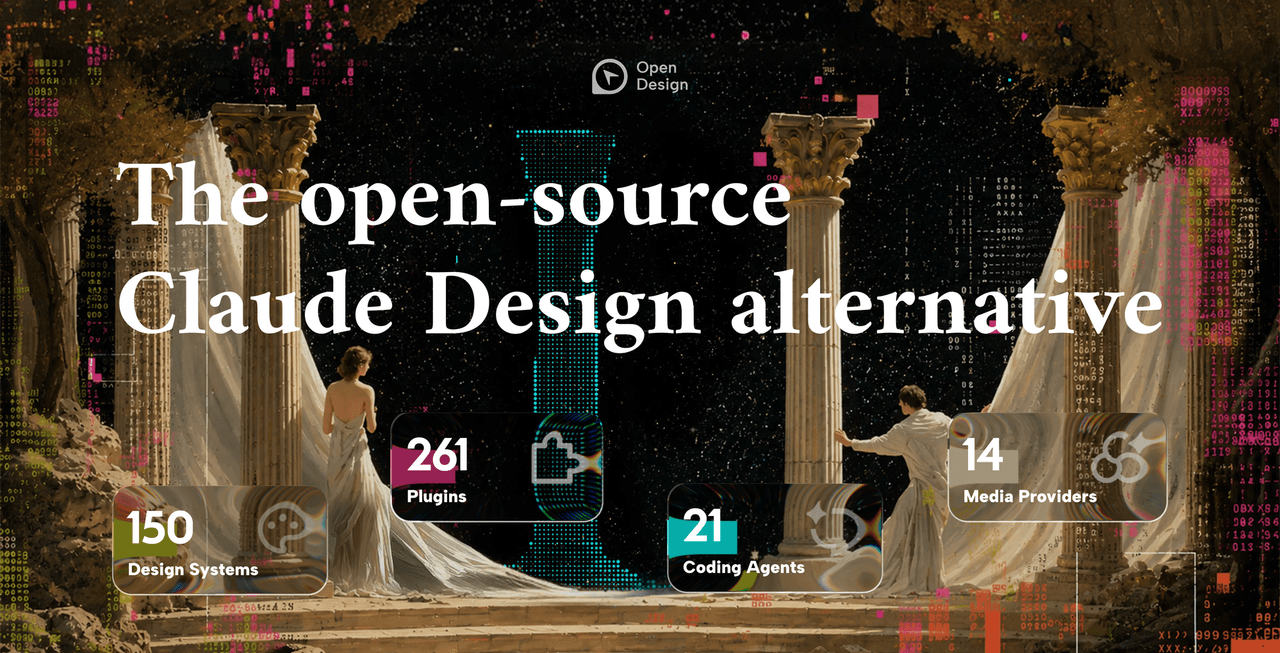 nexu-io/open-design
🎨 Best DeepSeek Harness Design Plugin. The open-source Claude Design alternative. 🖥️ Local-first desktop app. 🖼️ Your…
nexu-io/open-design
🎨 Best DeepSeek Harness Design Plugin. The open-source Claude Design alternative. 🖥️ Local-first desktop app. 🖼️ Your…
-
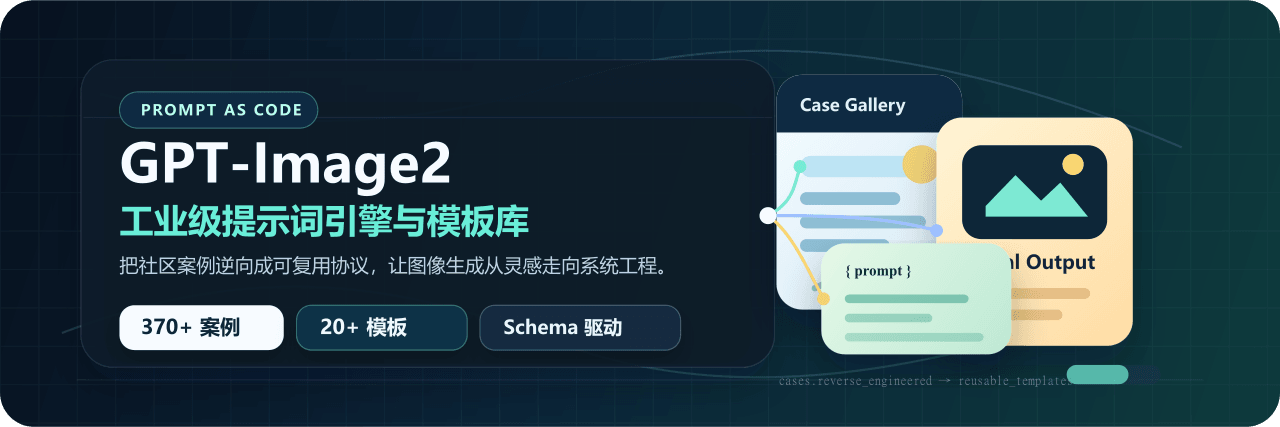 freestylefly/awesome-gpt-image-2
Prompt as Code | GPT-Image2 工业级提示词引擎与模板库,530+ 个案例逆向工程,20+ 套工业级模板,并提炼出Skills,持续更新中
freestylefly/awesome-gpt-image-2
Prompt as Code | GPT-Image2 工业级提示词引擎与模板库,530+ 个案例逆向工程,20+ 套工业级模板,并提炼出Skills,持续更新中
-
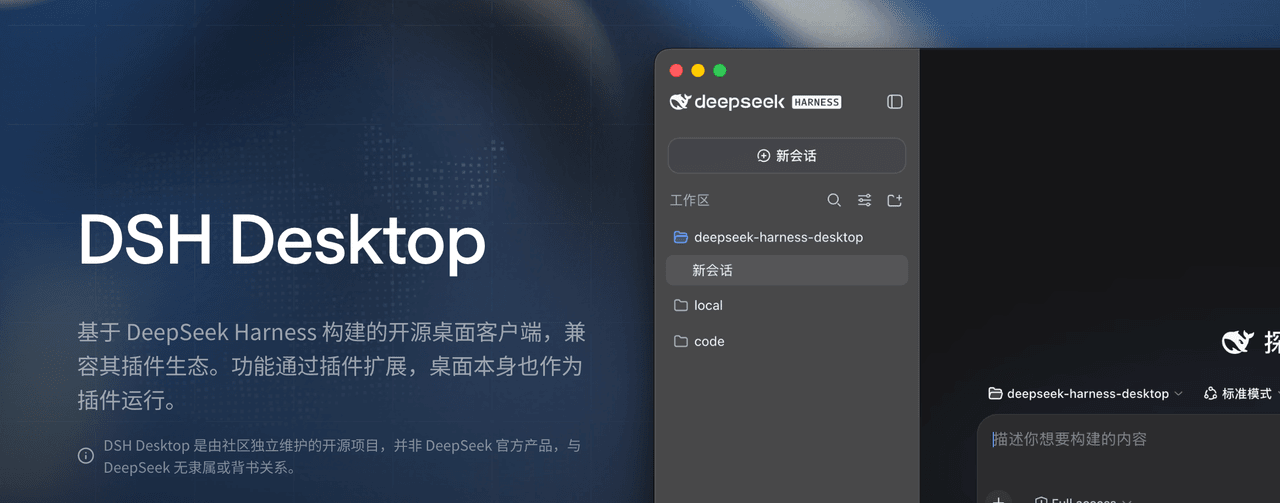 anywhere-labs/dsh-desktop
为 DeepSeek Harness (DSH) 插件生态打造的现代化桌面端解决方案。万物皆「插件」,桌面本身也是「插件」。
anywhere-labs/dsh-desktop
为 DeepSeek Harness (DSH) 插件生态打造的现代化桌面端解决方案。万物皆「插件」,桌面本身也是「插件」。
- Nagi-ovo/voyager Enhancement suite for Gemini, AI Studio, Claude & ChatGPT — plus a prompt manager for any web UI, DeepSeek Harness inclu…
-
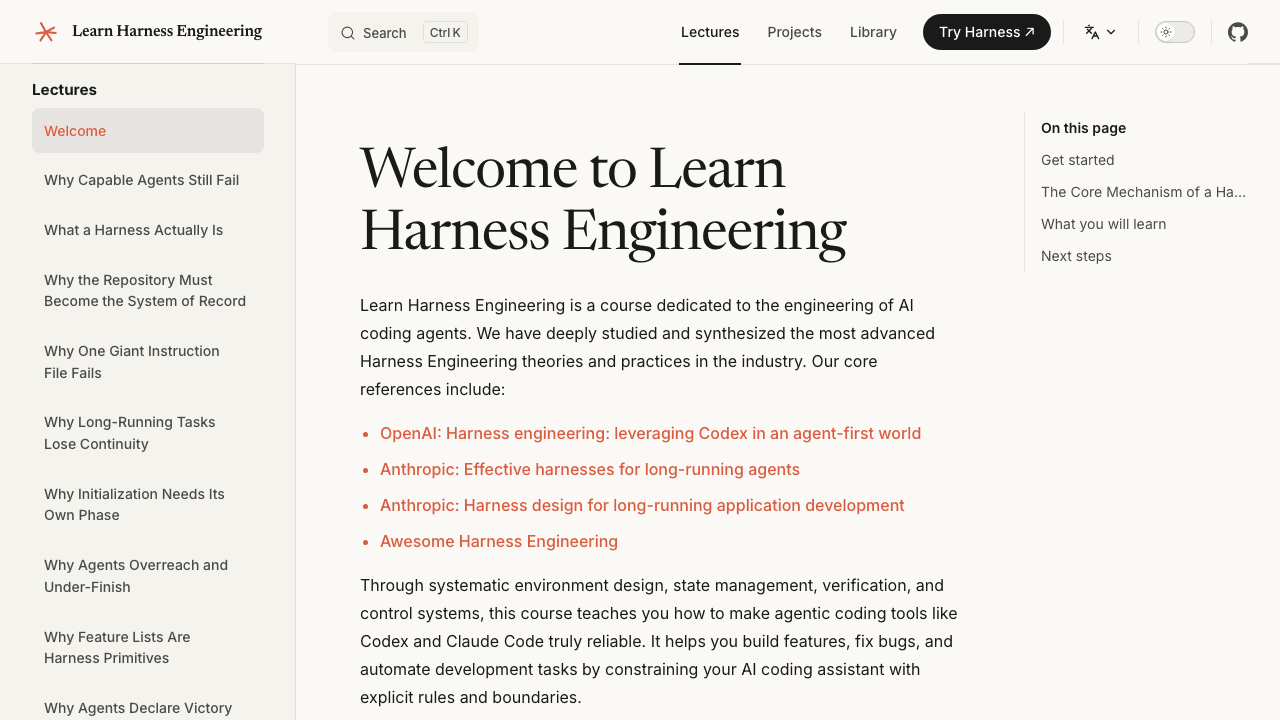 walkinglabs/learn-harness-engineering
Harness engineering beginner tutorial, from 0 to 1
walkinglabs/learn-harness-engineering
Harness engineering beginner tutorial, from 0 to 1
-
 awesome-dsh-plugin/awesome-dsh-plugin
A curated list of plugins for DeepSeek Harness (dsh) · DeepSeek Harness 插件精选列表
awesome-dsh-plugin/awesome-dsh-plugin
A curated list of plugins for DeepSeek Harness (dsh) · DeepSeek Harness 插件精选列表
-
 MemTensor/MemOS
Self-evolving memory OS for LLM & AI Agents: ultra-persistent memory, hybrid-retrieval, and cross-task skill reuse, with…
MemTensor/MemOS
Self-evolving memory OS for LLM & AI Agents: ultra-persistent memory, hybrid-retrieval, and cross-task skill reuse, with…
- yjh051108/dsh-routing-suite dsh-routing-suite — injector + router-standard kit: install the runtime injector first, then the task-aware reasoning-mo…