
lencx/Minke
🐳 DeepSeek Harness Desktop
安装Install
dsh plugin --profile web add github:lencx/Minke把 lencx/Minke 加入你的 DSH 配置(web profile)即可启用。
READMEREADME

Minke
A native desktop workspace for DeepSeek Harness
English · 简体中文




Minke brings DeepSeek Harness to the desktop as a focused, local-first workspace for agentic work. Conversations, project files, terminals, web tools, and native desktop actions stay within reach—without fragmenting your workflow across multiple apps.
[!IMPORTANT] Minke is under active development. Features, packaging, and the local data schema may change as the project evolves. Minke is an independent community project, not an official DeepSeek product.
Highlights
- More than a chat window — Independent right and bottom Tabs keep Files, Terminal, Browser, Plugins, and Session details beside the active conversation. The Plugins workspace supports GitHub discovery, installation, status checks, repair, and removal. Files supports navigation, syntax-highlighted previews, editing, and diffs, while Terminal connects to a real PTY on the Minke host.
- A real remote workspace, not screen sharing — Minke Host projects supported desktop capabilities into a responsive Web UI. From a phone or tablet you can continue conversations, start agent tasks, work with project files, and use the host terminal without streaming pixels from the Electron window.
- Installable as a PWA — Open Minke through a secure HTTPS address and install it to the home screen for a standalone, app-like experience. The PWA provides branded launch surfaces and early connection feedback, while deliberately avoiding caches of authenticated workspace traffic.
- Private remote access — Minke can expose its responsive workspace through an application-managed remote route. The currently validated path is Tailscale Serve over HTTPS; Tailscale Direct IP and Cloudflare Access integrations remain experimental until they complete release testing.
- Local model integrations — Minke can discover and connect to LM Studio, Ollama, and other loopback OpenAI-compatible services. Optional lifecycle management can start supported local runtimes when needed without taking ownership of services that were already running.
- Fast keyboard-driven control — The global Command Palette (
Mod+K), configurable shortcuts, native menus, Session history navigation, log export, synchronized themes, and English and Chinese UI keep common actions close at hand. - Safe, recoverable data migration — Choose where Minke stores its data, then preview and merge existing Sessions, plugins, and settings. Minke deduplicates identical files, preserves conflicts and source directories, and switches only after the restart-time migration succeeds; starting with a clean data home remains an option.
- Local-first and cross-platform — Application state and browser session data stay on your machine under the Minke data boundary. Automated releases target macOS, Windows, and Linux, including a portable AppImage.
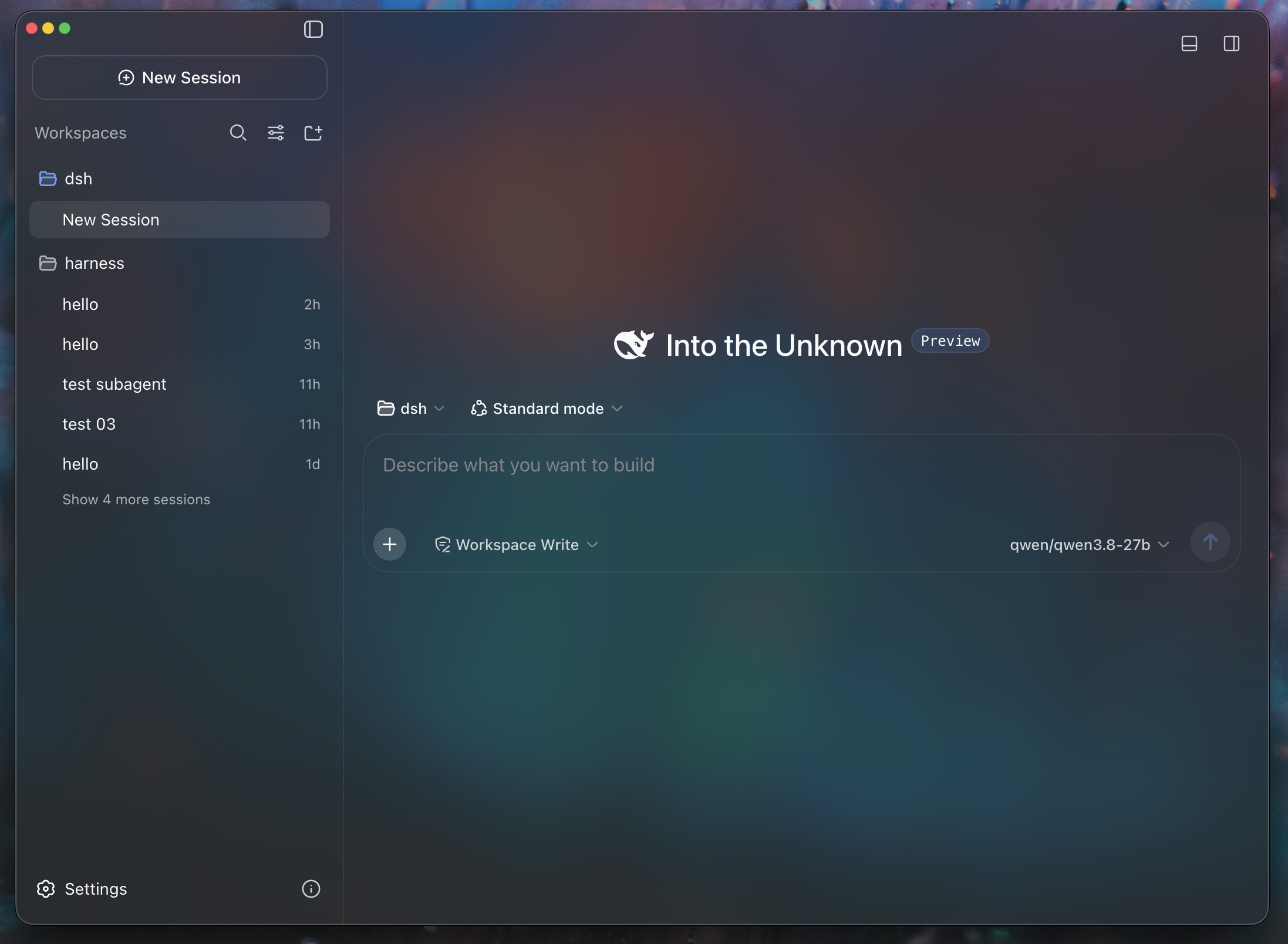 |
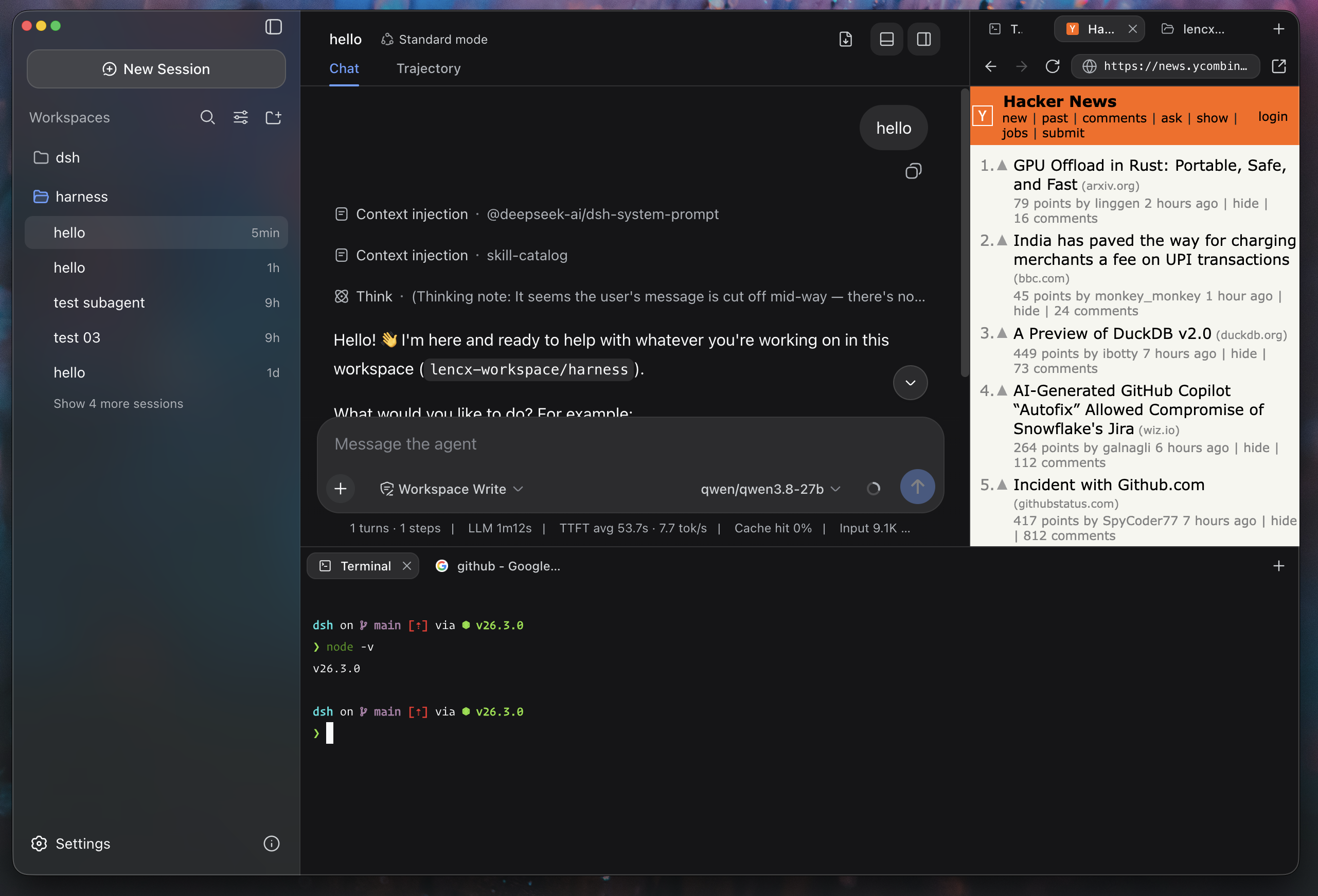 |
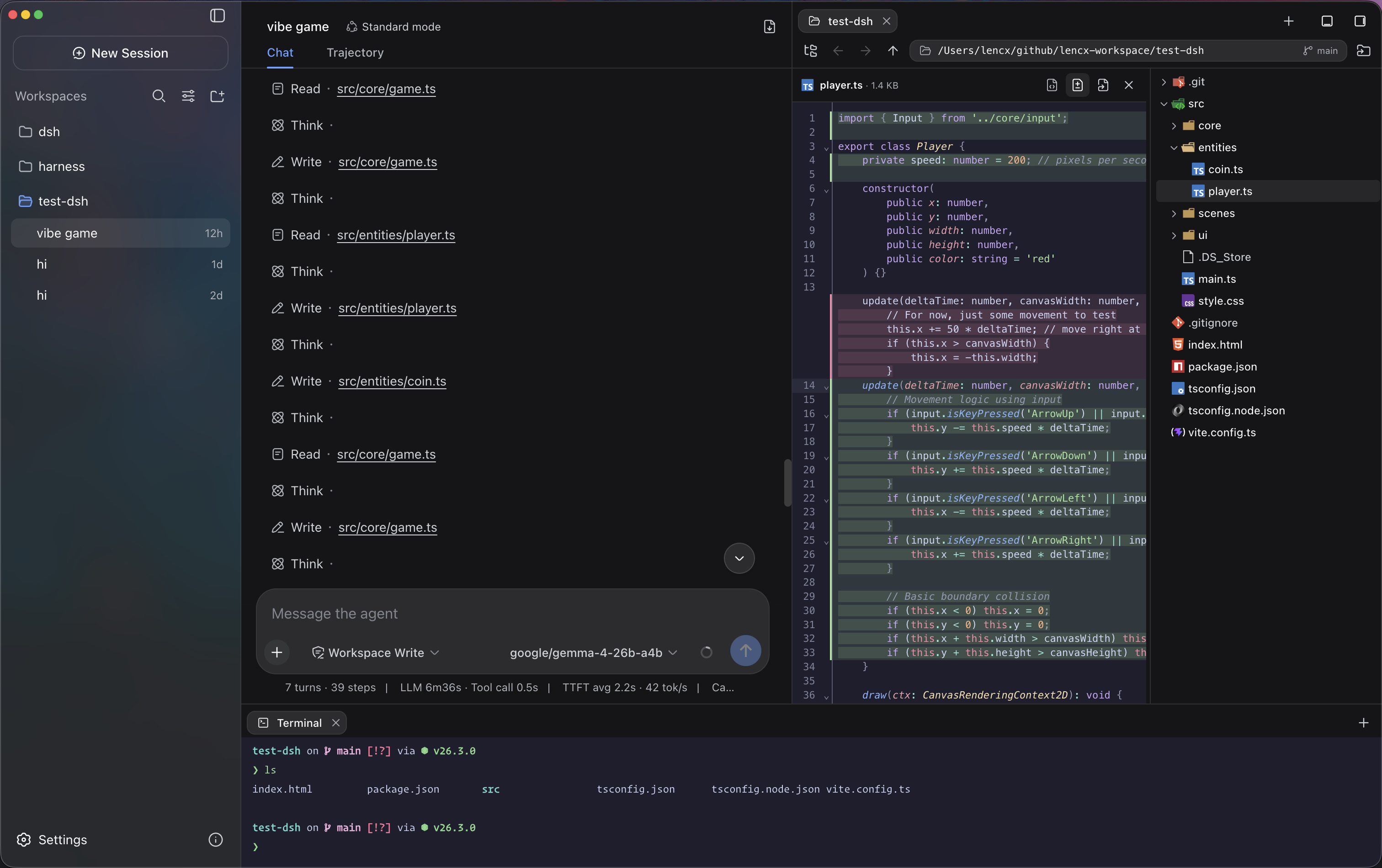 |
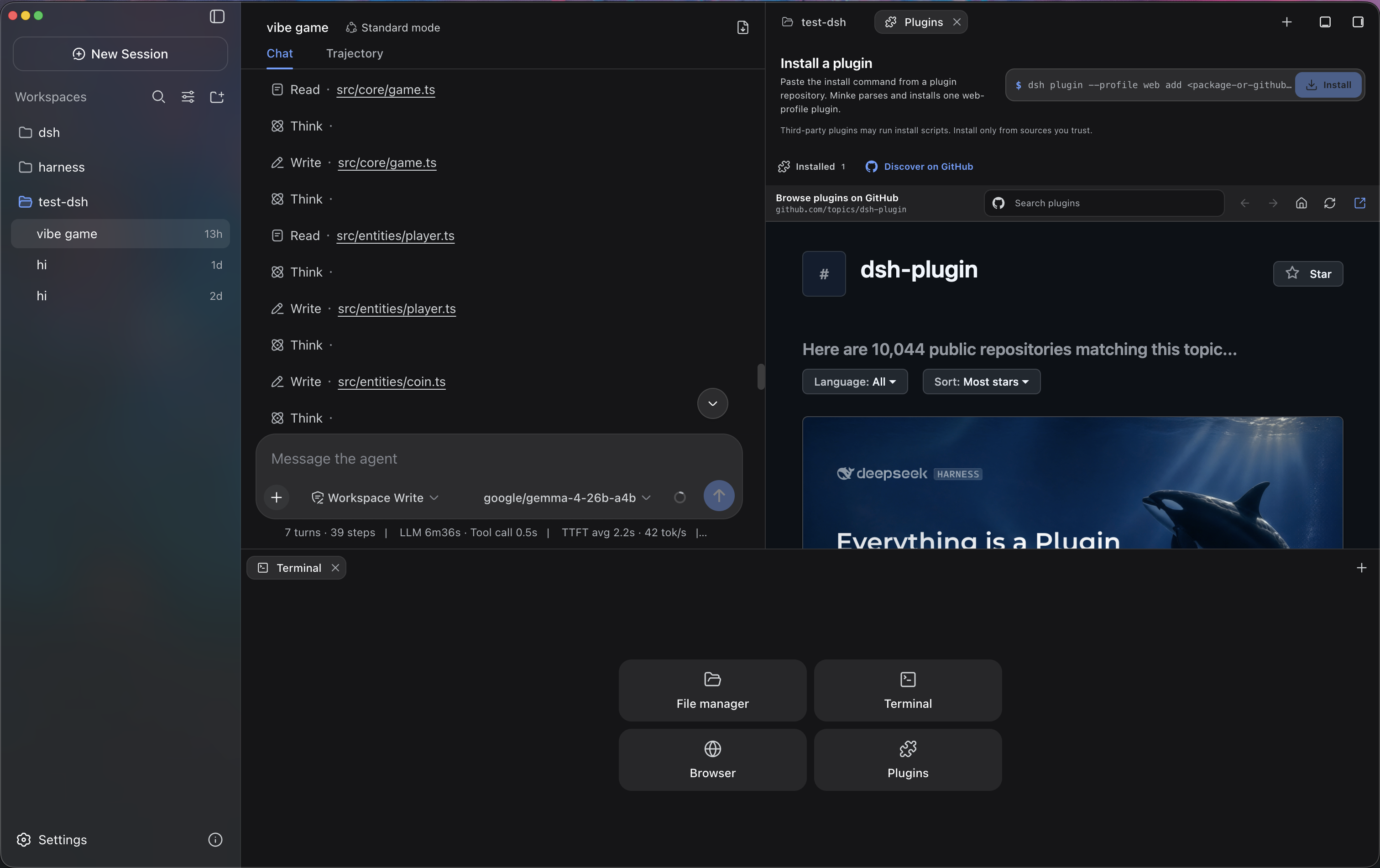 |
Mobile access with Tailscale
Minke remote access is a responsive Web client backed by Minke Host—not a video stream or touch-controlled projection of the Electron window. From a phone you can continue conversations, start agent tasks, manage project files, and use a terminal that runs on the Minke computer.
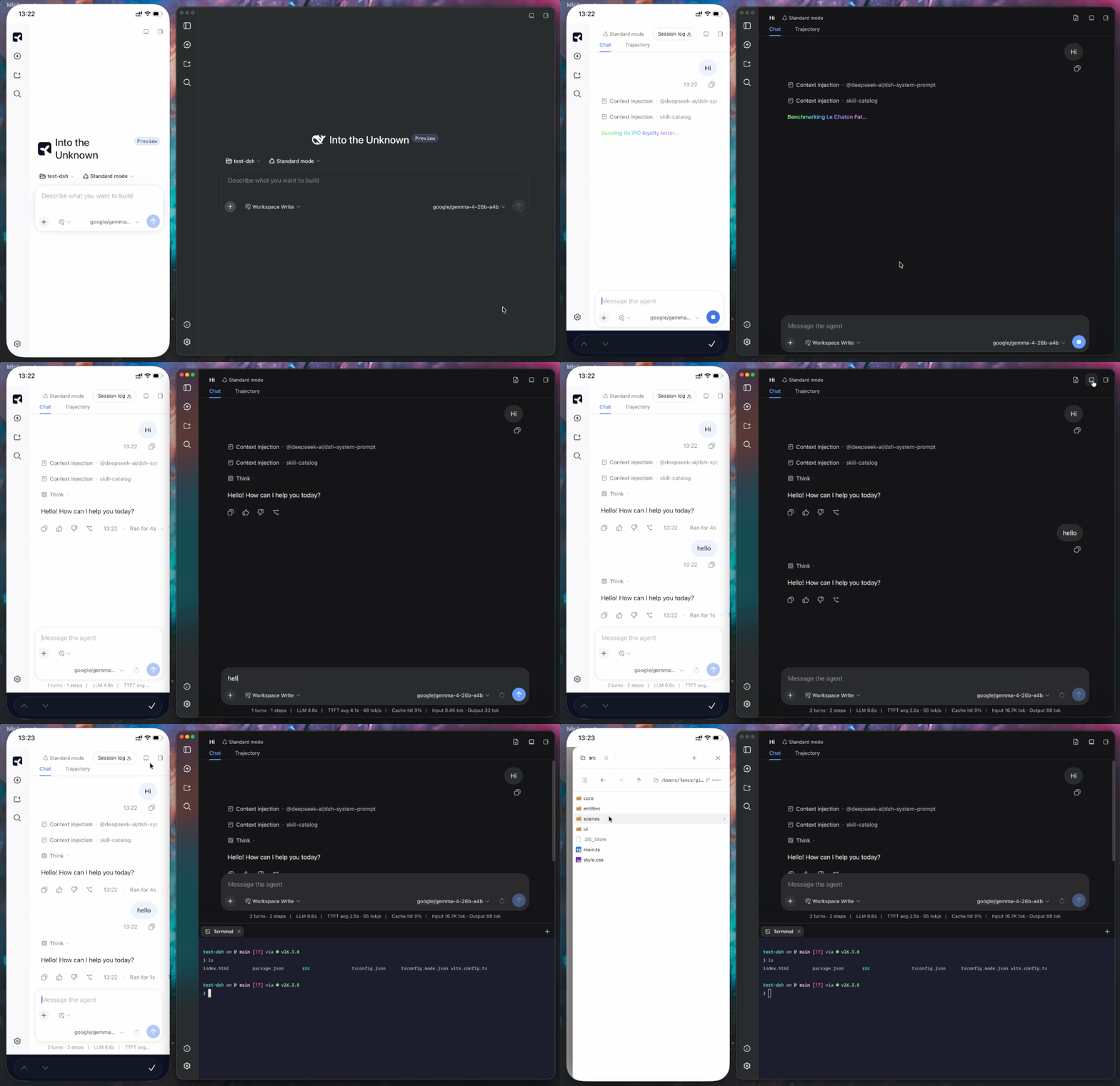
[!NOTE] The only remote route currently tested end to end is Tailscale Serve over HTTPS. Tailscale Direct IP and Cloudflare Access are available as advanced integrations, but have not yet completed release validation and should be treated as experimental.
Minke can expose its Web UI privately through Tailscale Serve. It keeps Harness on the local loopback address, does not bind it to the LAN, and does not enable the public Tailscale Funnel.
- Install Tailscale on the Minke computer and the phone, sign both into the same tailnet, and confirm the computer is connected.
- In Minke, open Settings → Remote access, enable Access through Tailscale, then choose Restart Minke when prompted.
- Return to Remote access, then copy or open the displayed
https://…ts.netaddress on the phone.
Install as a PWA
Open the Tailscale HTTPS address, choose Install Minke in the sidebar, and accept the browser install prompt. On iPhone or iPad, use Share → Add to Home Screen. The installed app launches in standalone mode; when connectivity is poor it shows connection or offline feedback instead of silently presenting cached workspace content.
Minke owns a foreground Serve session and stops it when the app exits. The remote page can start agent tasks and use local tools already authorized in Minke, so grant tailnet access only to people you trust.
Installation
Download Minke only from the official GitHub Releases page. The links below always point to the latest stable release.
| Platform | Architecture | Package |
|---|---|---|
| macOS | Apple Silicon (arm64) |
Download .dmg |
| macOS | Intel (x64) |
Download .dmg |
| Windows | x64 |
Download .exe |
| Linux | Debian / Ubuntu (x64) |
Download .deb |
| Linux | Fedora / RHEL (x64) |
Download .rpm |
| Linux | Any distro (portable) | Download .AppImage |
Release checksums are available in SHA256SUMS.
macOS
Download the
.dmgfile and open it.Drag
Minke.appinto the Applications folder.Current pre-release builds are not notarized. Open Terminal and remove the quarantine attribute from the installed app:
xattr -dr com.apple.quarantine "/Applications/Minke.app"Open Minke from the Applications folder.
[!CAUTION] Removing the quarantine attribute bypasses a macOS security check. Run this command only for
Minke.appdownloaded from the official Releases page, and never replace the path with a broad directory. You can also try Apple's Open Anyway flow under System Settings → Privacy & Security.
Windows
- Download the Windows x64
.exeinstaller. - Run the installer and follow the on-screen instructions.
- Windows may show a reputation-based warning for a new pre-release build. Continue only after confirming that the installer came from the official Minke Releases page.
Linux
Download the package for your distribution, then open it with your graphical package manager or install it from a terminal.
Debian / Ubuntu:
sudo apt install "/path/to/minke-package.deb"
Fedora / RHEL:
sudo dnf install "/path/to/minke-package.rpm"
Replace the example path with the downloaded package path.
Build from source
Build Minke on the same operating system and CPU architecture as the package you need. The build produces distributables for the current host under out/make; this project does not support cross-platform packaging from a single host.
Prerequisites:
- Git with submodule support. The
vendor/deepseek-harnesssubmodule must be checked out. - Node.js 24 or newer.
- pnpm 11.7.0, with the repository dependencies installed before running the scripts.
- macOS: an Apple Silicon or Intel Mac with Xcode Command Line Tools. The
.dmgtarget can only be built on macOS. - Windows: a Windows x64 host. Visual Studio 2022 Build Tools with the Desktop development with C++ workload may be needed if a native dependency must be compiled locally.
- Linux: a Linux x64 host with a native build toolchain,
fakeroot,dpkg, and eitherrpmorrpm-build.
On a fresh checkout, first install the repository dependencies, then prepare the Harness runtime:
pnpm run harness:stage
This command installs and builds the pinned DeepSeek Harness source, then stages the reusable desktop runtime under runtime/host. Run it after a fresh checkout, or whenever the pinned Harness source or runtime contract changes.
Start Minke in development mode with:
pnpm start
pnpm start refreshes the Minke integration in the prepared runtime and launches the development app.
Create the distributable package for the current platform with:
pnpm make
pnpm make performs a full runtime stage again before writing the platform package to out/make.
中国用户
如在使用中遇到问题,或希望进一步交流 Minke,可关注公众号「浮之静」,发送 dsh 获取进群码。也欢迎大家贡献 PR 或分享给更多朋友,您的每一次 Star 都是对开源项目的巨大支持,感恩。


相关推荐Related
- deepseek-ai/deepseek-harness DeepSeek Harness: Everything is a Plugin.
-
 nexu-io/open-design
🎨 Best DeepSeek Harness Design Plugin. The open-source Claude Design alternative. 🖥️ Local-first desktop app. 🖼️ Your…
nexu-io/open-design
🎨 Best DeepSeek Harness Design Plugin. The open-source Claude Design alternative. 🖥️ Local-first desktop app. 🖼️ Your…
-
 amruthpillai/reactive-resume
A one-of-a-kind resume builder that keeps your privacy in mind. Completely secure, customizable, portable, open-source a…
amruthpillai/reactive-resume
A one-of-a-kind resume builder that keeps your privacy in mind. Completely secure, customizable, portable, open-source a…
-
 esengine/DeepSeek-Reasonix
DeepSeek-native AI coding agent for your terminal. Engineered around prefix-cache stability — leave it running.
esengine/DeepSeek-Reasonix
DeepSeek-native AI coding agent for your terminal. Engineered around prefix-cache stability — leave it running.
-
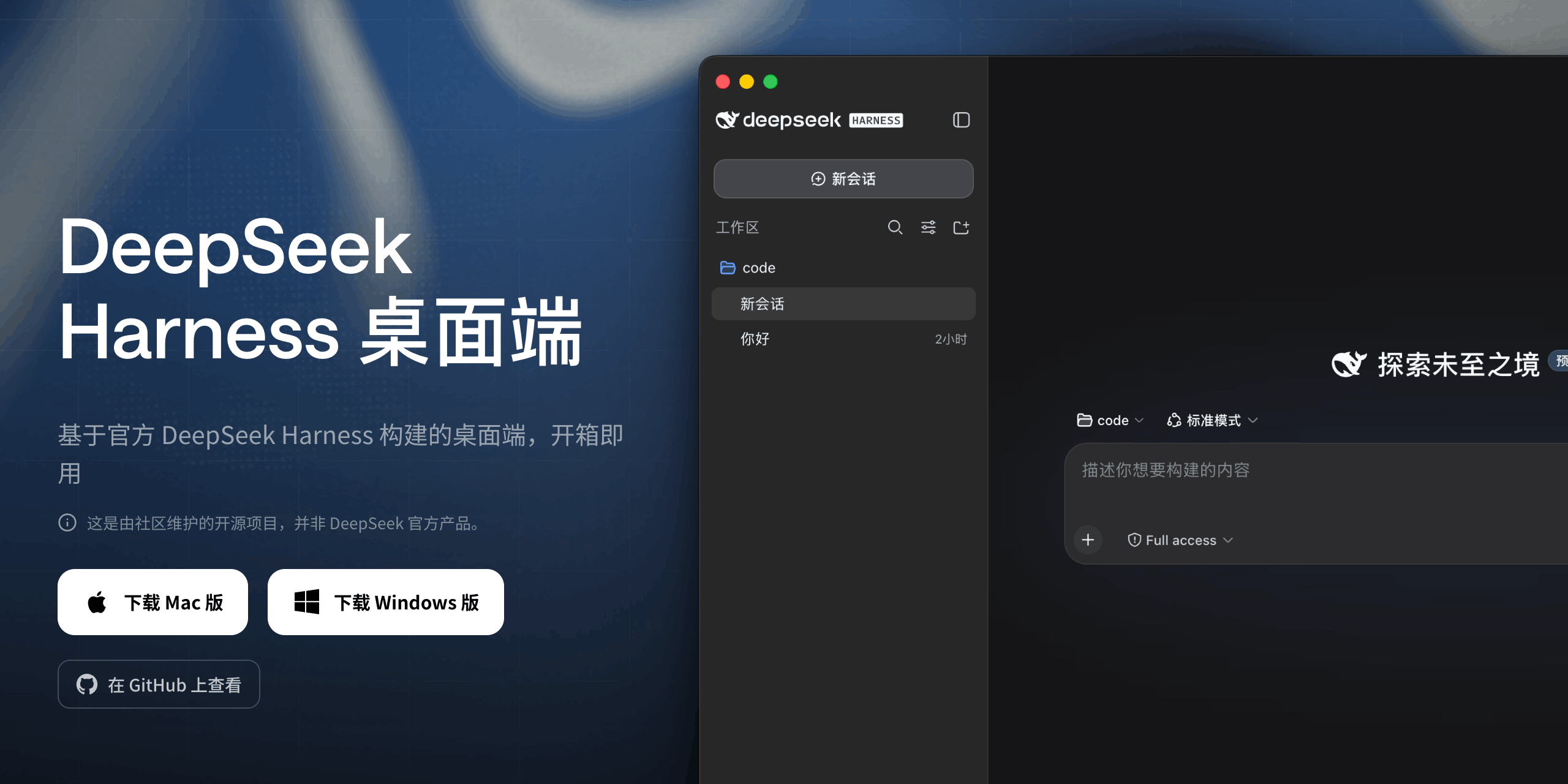 anywhere-labs/deepseek-harness-desktop
为 DeepSeek Harness (DSH) 插件生态打造的现代化桌面端解决方案。万物皆「插件」,桌面本身也是「插件」。
anywhere-labs/deepseek-harness-desktop
为 DeepSeek Harness (DSH) 插件生态打造的现代化桌面端解决方案。万物皆「插件」,桌面本身也是「插件」。
-
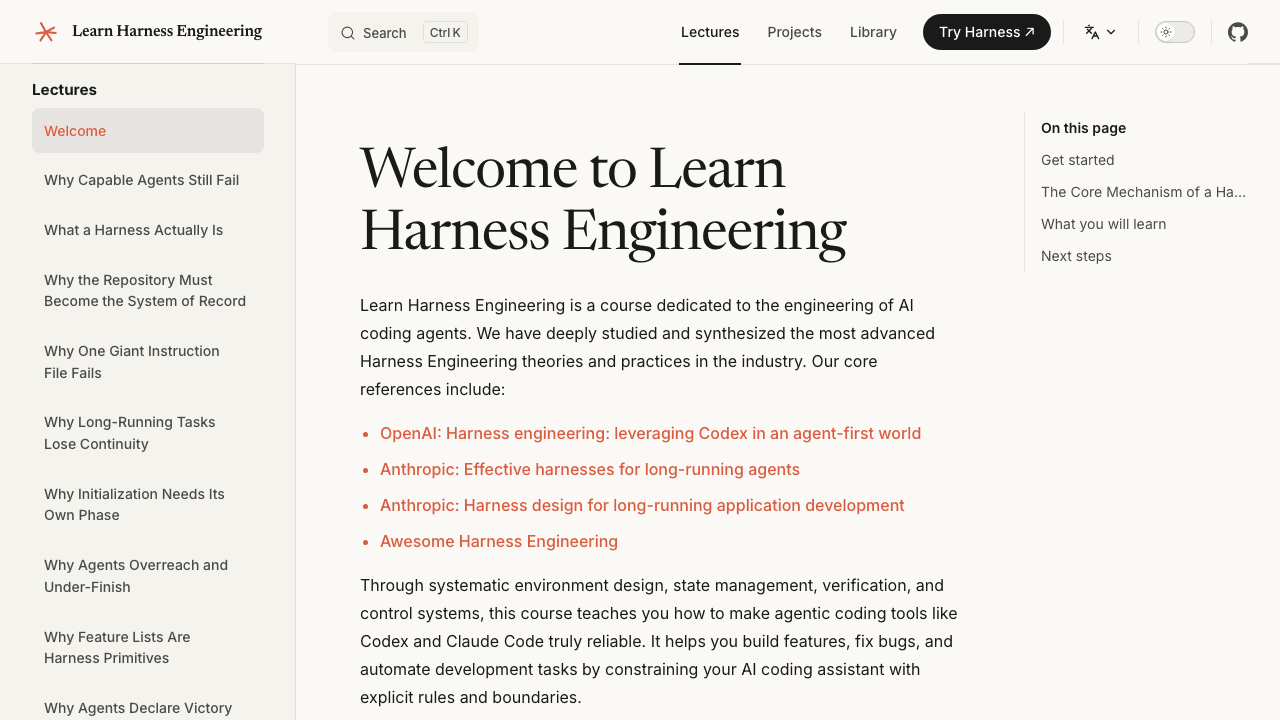 walkinglabs/learn-harness-engineering
Harness engineering beginner tutorial, from 0 to 1
walkinglabs/learn-harness-engineering
Harness engineering beginner tutorial, from 0 to 1
-
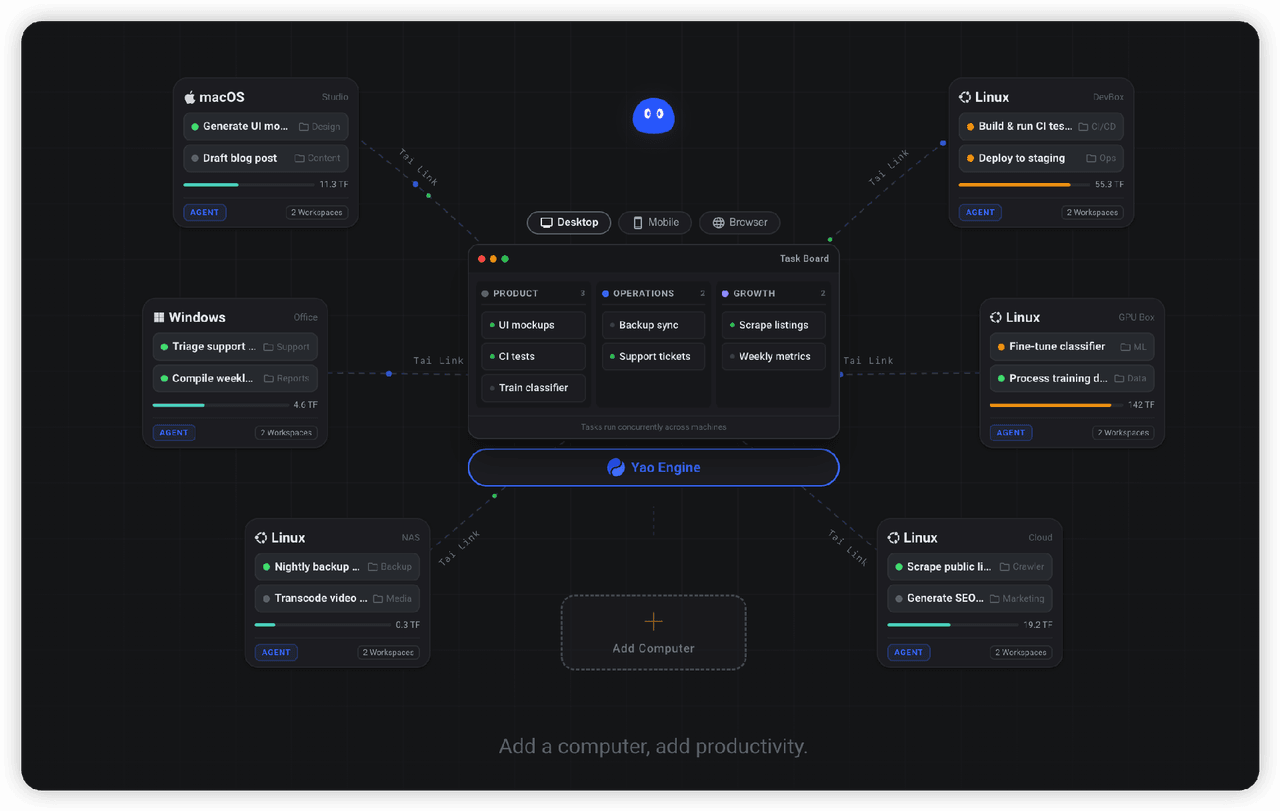 YaoApp/yao
✨ All your agents and workspaces in one place, on every device you own. Track tasks on a board, accessible from desktop,…
YaoApp/yao
✨ All your agents and workspaces in one place, on every device you own. Track tasks on a board, accessible from desktop,…
-
 Devin-AXIS/iPolloWork
Enterprise-grade, local-first Agent Workbench for people and agent teams. A unified multi-engine workspace for Codex Har…
Devin-AXIS/iPolloWork
Enterprise-grade, local-first Agent Workbench for people and agent teams. A unified multi-engine workspace for Codex Har…