
loki888666/dsh-mihome
Project Overview项目介绍
dsh-mihome is a native plugin built exclusively for DeepSeek Harness, designed to give the DSH agent the ability to control Xiaomi Mijia smart home devices. It connects Mijia devices through a Home Assistant bridge, supporting both Mijia cloud and local area network connection protocols. It exposes three tools that the large language model can call directly: listing devices, controlling devices, and checking device status. Users can install it via npm, or patch it into DSH temporarily for testing, or add it permanently to DSH’s configuration for automatic loading on every startup.
The typical workflow is straightforward for end users. All a user needs to do is describe their request in natural language, for example saying “turn on the living room light”. The DSH agent will automatically find the matching device entity, call the correct tool to generate a Home Assistant REST API request, then pass the control command through HA to the Mijia device. This plugin is made for users who want to use an LLM agent to control their Mijia smart home devices, and it automatically translates actions based on device type so users don’t need to memorize any technical service names or entity IDs.
This plugin requires a working Home Assistant instance and a valid Mijia account to operate, and it works with any HA deployment method, including containers, NAS packages, and native operating system installs. It is released under the open source MIT license, and no credentials are hard coded into the source code — all access tokens are injected via environment variables for security. A known limitation is that cloud mode can have timeout issues if HA is on a different network from your Mijia devices; for better stability, deploy HA on the same local network as your devices.
这是一款专门为 DeepSeek Harness 开发的原生插件,核心功能是让 DSH 获得控制米家智能设备的能力,支持列设备、开关设备、调节亮度、开合窗帘、启停扫地机、锁门调温等操作。插件通过 Home Assistant 桥接米家设备,支持走米家云端或局域网协议,向 DSH 暴露了三个可供大模型调用的工具。插件支持临时补丁加载、永久配置加载和 npm 安装三种接入 DSH 的方式。
用户只需要用自然语言描述需求,比如“把客厅灯打开”,DSH 就会自动匹配对应的设备实体,调用工具生成 Home Assistant REST API 请求,再通过 HA 下发控制指令给米家设备,最终完成操作。它面向想要让大模型代理控制家中米家设备的用户,不需要记住复杂的设备ID和服务名称,大模型会自动根据设备类型翻译对应动作,适配不同设备的控制需求。
本插件依赖已部署的 Home Assistant 实例和米家账号,不要求特定部署方式,容器、NAS、原生系统部署的 HA 都可以用。它采用 MIT 许可证开源,token 仅通过环境变量注入,没有硬编码,安全可靠。已知限制是如果 HA 和设备跨网段,云端模式可能出现设备状态超时,需要把 HA 部署到同网段走局域网连接更稳定。
请帮我安装这个 DSH 插件。安装前先完成【兼容性检查 + 安全性检查】,检查通过再动手。

插件:dsh-mihome(loki888666/dsh-mihome)
仓库:https://github.com/loki888666/dsh-mihome
本站详情页:https://www.yhbd.top/plugins/loki888666-dsh-mihome/
本站登记:类型 plugin · 归类 原生 DSH 插件 · 许可证 MIT · ⭐ 2 · 最近提交 2026-08-17 · 主语言 TypeScript · 未检测到 DSH 插件清单

按下面顺序执行,每步先把结论告诉我,再进入下一步:

【1 兼容性检查】
① 我这边:DSH 版本、Node 版本、操作系统、当前 profile(web / desktop)。
② 读它的 README、package.json、插件 manifest,列出它要求的 DSH 版本 / Node 版本 / 操作系统 / 外部依赖 / 需要另外先装的运行时。
③ 逐条比对,结论只写「满足 / 不满足 / 未知」三种;不满足的给出可行替代方案。
④ 检查是否和我已装的插件冲突:命令名重复、skill / tool 重名、端口占用、重复注册的 MCP server。

【2 安全性检查】
① 仓库可信度:和上面「本站登记」是否一致;star / fork 数、创建时间、最近提交,是否归档或长期停更。
② 安装脚本:逐行看 package.json 的 preinstall / install / postinstall,以及 install.sh、setup.ps1 之类脚本。出现 curl|bash、下载后直接执行、混淆代码、访问与插件功能无关的域名,立刻停下来告诉我,不要继续装。
③ 依赖:列出新增依赖,标出无人维护、或与知名包拼写近似的可疑包(typosquatting)。
④ 权限与副作用:它会读写哪些目录、访问哪些域名、需要哪些 DSH 权限(filesystem / network / shell / clipboard 等),以及怎么卸载和回滚。
⑤ 如果它要求 sudo / 管理员权限,或权限明显超出功能所需,先停下来问我。

【3 安装】
上面两步没有「不满足」和「高危项」时才执行;用官方推荐方式安装,不要自行提权。

【4 汇报】
用表格输出:检查项 / 结论 / 依据 / 是否需要我决策。拿不准的一律写「未知」并说明要我怎么确认——不要猜,也不要替我决定。
Send this message to DSH in your current session: it verifies compatibility and security first (answering met / not met / unknown item by item) and only installs once everything checks out — it will stop and ask you if it finds a high-risk item. The box scrolls; the copy is the full prompt. CLI install commands may not be accurate across systems, so DSH is the safer route.把上面这条消息直接发给当前会话里的 DSH:它会先核对兼容性与安全性(逐条给「满足 / 不满足 / 未知」),确认没问题再安装,有高危项会停下来问你。框内可滚动,复制到的是完整提示词;安装命令不一定准确,发给 DSH 更稳。
- Only 2 stars - very few users, little community feedback星标只有 2,几乎没人在用,遇到问题缺少社区反馈
- No DSH plugin manifest detected - it may only carry the dsh-plugin topic, so the install method must be confirmed on the spot未检测到 DSH 插件清单:可能只是打了 dsh-plugin 话题,安装方式要现场确认
DSH walks through these 9 checksDSH 会逐条核对这 9 项
Compatibility兼容性
- DSH, Node, OS and profile requirementsDSH 版本 / Node 版本 / 操作系统 / profile 是否满足要求
- External dependencies and runtimes (Electron / Python / Docker, ...)外部依赖与运行时(Electron / Python / Docker 等)是否齐备
- Conflicts with installed plugins: command names, skill / tool names, ports, duplicate MCP registration与已装插件是否冲突:命令名、skill / tool 重名、端口占用、重复 MCP 注册
Security安全性
- Repo matches the facts registered here; archived or abandoned?仓库是否与页面登记一致,是否归档或长期停更
- Safety of preinstall / install / postinstall and install.sh / setup.ps1preinstall / install / postinstall 与 install.sh、setup.ps1 是否安全
- curl|bash, download-then-execute, obfuscation, unrelated domains → stop immediatelycurl|bash、下载即执行、混淆代码、无关域名 → 立刻停止
- Typosquatting or unmaintained packages among the new dependencies新增依赖里有没有 typosquatting 或无人维护的包
- Requested permissions vs. what the feature actually needs申请了哪些权限、是否超出功能所需(filesystem / network / shell / clipboard)
- Any sudo / admin requirement, plus uninstall and rollback是否要求 sudo / 管理员权限,以及卸载与回滚方式
Anything uncertain must be marked unknown with a note on how to confirm it. This site's signal screen is a static snapshot, not a security audit.拿不准的必须标「未知」并说明要我怎么确认。本站的信号筛查是静态快照,不能替代安全审计。
Or use CLI install (for developers)或使用命令行安装(适合开发者)
CLI Install命令行安装
dsh plugin --profile web add github:loki888666/dsh-mihome把 loki888666/dsh-mihome 加入你的 DSH 配置(web profile)即可启用。
READMEREADME
dsh-mihome



English | 中文
给 DeepSeek Harness 装上"控制米家智能设备"的能力:列设备、开关、调亮度、开合窗帘、启停扫地机、锁门、调温等。通过 Home Assistant 桥接,走米家云端或局域网协议。
你说:"把客厅灯打开"
  └─> dsh agent 调 home_device_list   找到 light.客厅_吸顶灯
  └─> dsh agent 调 home_device_set    动作 on
  └─> 本插件 POST /api/services/light/turn_on(HA REST API)
  └─> HA 经米家云(或局域网协议)下发指令
  └─> 灯亮,返回"已执行 light.turn_on"
特性
- 3 个模型可见工具:
home_device_list(列设备/关键字过滤)、home_device_set(控制)、home_device_state(查状态) - 动作按设备域自动翻译:灯/插座/风扇/空调 →
turn_on/off,窗帘 →open/close,扫地机 →start/stop,门锁 →lock/unlock;未知动作直通任意 HA 服务名(如set_temperature) - 凭据零硬编码:token 只经环境变量注入,可安全开源
- 设备 attributes 白名单截取,避免整包状态塞进上下文
环境要求
| 依赖 | 说明 |
|---|---|
| DeepSeek Harness | dsh 源码仓库(提供 CLI 与运行时) |
| Home Assistant | 米家设备桥接层(部署方式不限,见工作原理) |
| 米家账号 | 中国大陆或海外区均可(Miot Auto 支持多区域) |
快速开始
1. 部署 Home Assistant(macOS/Linux,docker)
docker compose -f docker/docker-compose.ha.yml up -d
# 打开 http://127.0.0.1:8123 初始化
已有 HA 实例?跳过这一步,把第 4 步的
HA_BASE_URL指向你自己的 HA 即可。
2. 接入米家(中国大陆账号)
⚠️ 不要用 HA 自带的 "Xiaomi Home" 集成(那个用户名密码框实际是老 Miio,国区登录不稳)。装 HACS + Xiaomi Miot Auto:
docker exec -it homeassistant bash -c "wget -O - https://get.hacs.xyz | bash -"
docker restart homeassistant
浏览器:设置 → 设备与服务 → 添加集成 → 搜 HACS → GitHub 授权 → 左侧出现 HACS → HACS → 集成 → 浏览并下载存储库 → 搜 Xiaomi Miot Auto → 安装并重启 → 添加集成 → 搜 Xiaomi Miot Auto → 账号集成 → 米家账号密码 + 区域 cn → 选家庭导入设备。
账号登录报
verification ticket rejected时,先在浏览器登录一次 account.xiaomi.com 解锁风控,再回 HA 重试。
3. 创建长期访问令牌
HA 里 个人资料 → 安全 → 长期访问令牌 → 创建令牌。
4. 配置环境变量
写入 deepseek-harness 仓库根 .env(或 export):
HA_BASE_URL=http://127.0.0.1:8123
HA_TOKEN=<上一步的令牌>
DEEPSEEK_API_KEY=<你的 DeepSeek key>
5. 运行
./scripts/mihome.sh "列出我家的设备"
./scripts/mihome.sh "把客厅主灯调亮到 50%"
./scripts/mihome.sh "关掉空气净化器"
Showing the opening section of the README — the full document lives in the repository以上为 README 开头摘要,完整文档在仓库内 · View the full README on GitHub →在 GitHub 查看完整 README →
Related相关推荐
-
 esengine/DeepSeek-Reasonix
A reliable coding agent for complex software engineering tasks.
esengine/DeepSeek-Reasonix
A reliable coding agent for complex software engineering tasks.
-
 strukto-ai/mirage
The World's First Virtual Terminal for AI Agents
strukto-ai/mirage
The World's First Virtual Terminal for AI Agents
-
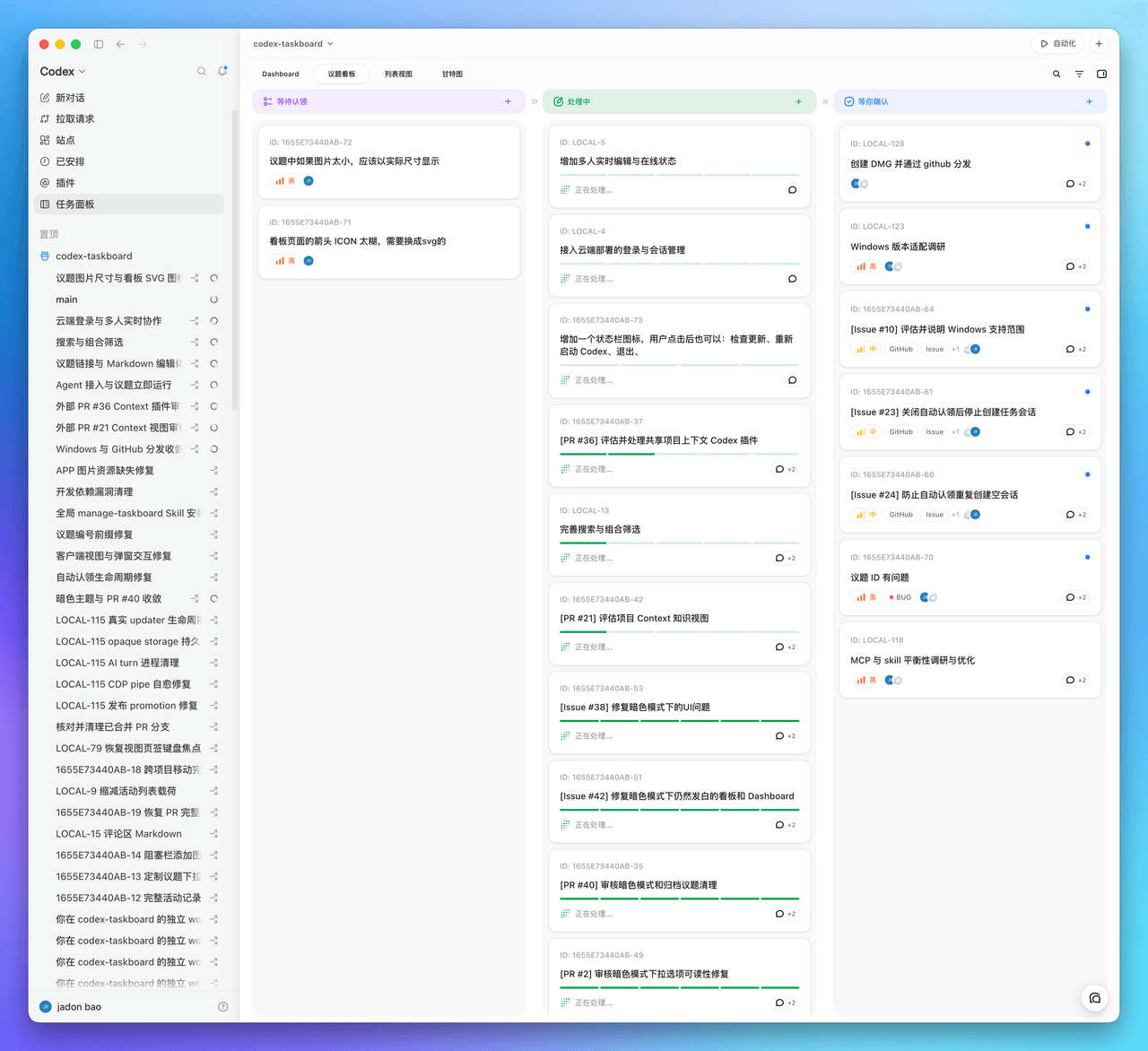 chuspeeism/dashi-taskboard
现代化可灵活嵌入的任务面板,支持 Codex、DeepSeek Harness
chuspeeism/dashi-taskboard
现代化可灵活嵌入的任务面板,支持 Codex、DeepSeek Harness
-
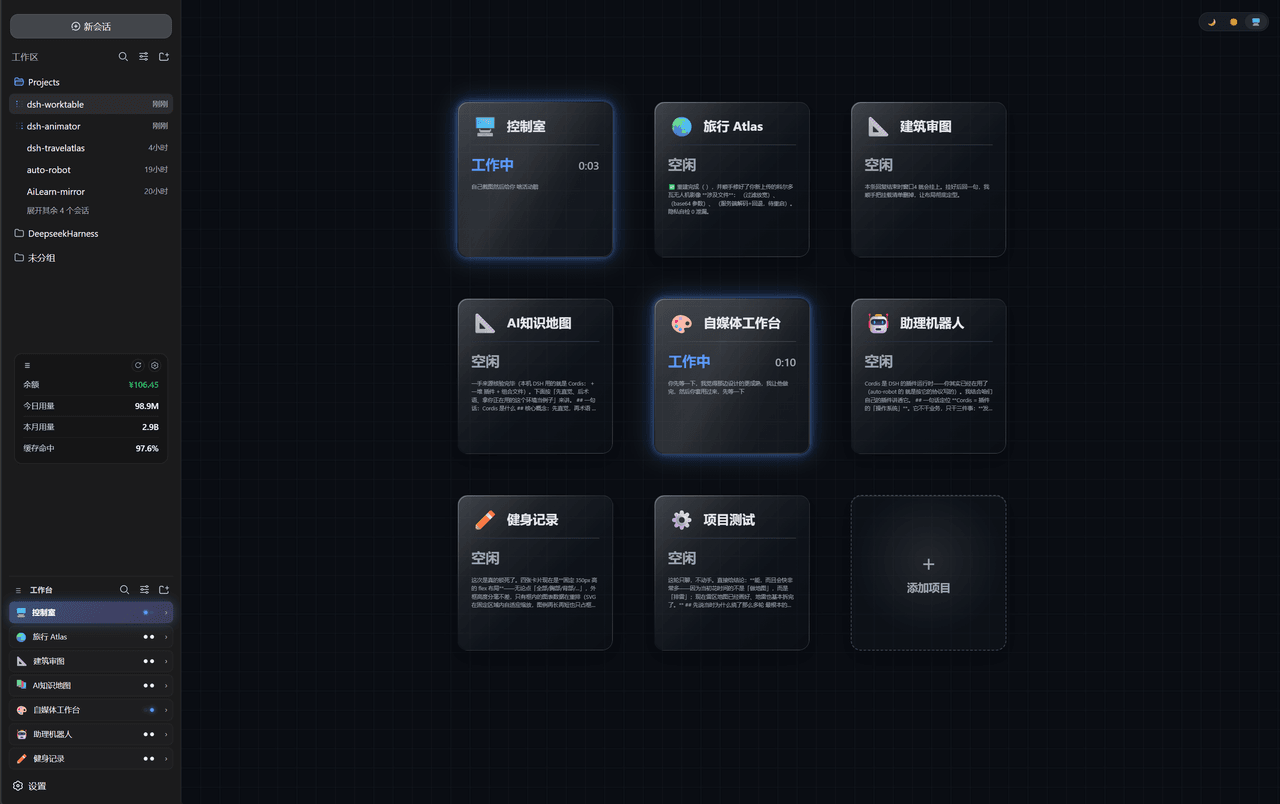 Aisland-SJL/dsh-worktable
🖥️ Agent-project workbench for DeepSeek Harness — sidebar app drawer + dockable split workspace + a live control room w…
Aisland-SJL/dsh-worktable
🖥️ Agent-project workbench for DeepSeek Harness — sidebar app drawer + dockable split workspace + a live control room w…
-
 ccch1mneyyy/working-activity
Lively Working-line extension for pi CLI and DSH
ccch1mneyyy/working-activity
Lively Working-line extension for pi CLI and DSH
-
 zhoushoujianwork/easyeda-agent
嘉立创EDA专业版(EasyEDA Pro)自动化:给 AI harness 装上画板的「手」—— 一套 typed 原理图/PCB 动作,CLI / Agent Skill / stdio MCP 三形态融合接入。承接嘉立创「不以卖板赚钱…
zhoushoujianwork/easyeda-agent
嘉立创EDA专业版(EasyEDA Pro)自动化:给 AI harness 装上画板的「手」—— 一套 typed 原理图/PCB 动作,CLI / Agent Skill / stdio MCP 三形态融合接入。承接嘉立创「不以卖板赚钱…
-
 pulseaiclub/phi
a coding agent, rpc plugin, sub-agents, hashline edits, and mcp
pulseaiclub/phi
a coding agent, rpc plugin, sub-agents, hashline edits, and mcp
-
 Ikalus1988/MisakaNet
📚 A zero-dependency, git-backed micro-lesson library for AI Agents to asynchronously share and search verified debuggin…
Ikalus1988/MisakaNet
📚 A zero-dependency, git-backed micro-lesson library for AI Agents to asynchronously share and search verified debuggin…