Max-Null/dsh-habit
DeepSeek Harness 的自学习习惯引擎——纠错信号、阈值判断、两级人工门控
项目介绍Project Overview
@max-null/dsh-habit 是 DSH 自学习习惯插件,属 SSID 桌面体验。它确定性监听会话中的用户纠正信号,累计达阈值后用低成本模型判定习惯候选,再经两级人工确认写入 dsh-memory 并自动召回。适合希望从反复纠正中沉淀稳定偏好、且不受上下文衰减影响的场景。需宿主提供 storage 与 llm;模型不能自行提升习惯,必须人工把关。
@max-null/dsh-habit is a self-learning habit plugin for DeepSeek Harness, part of the SSID desktop experience. It deterministically observes user-correction signals in session events, invokes a low-cost model once a threshold is reached, and routes habit candidates through a two-level human gate before dsh-memory stores and recalls them. Use it to turn repeated corrections into durable preferences without context decay. It requires host storage and llm, and the model can never auto-promote habits.
请帮我了解并安装插件:【dsh-habit】【https://github.com/Max-Null/dsh-habit】把上面这条消息直接发给当前会话里的 DSH,让它帮你了解并安装。安装命令不一定准确,发给 DSH 更稳。Send this message to DSH in your current session. CLI install commands may not be accurate across systems — DSH will figure it out for you.
或使用命令行安装(适合开发者)Or use CLI install (for developers)
命令行安装CLI Install
dsh plugin --profile web add github:Max-Null/dsh-habit把 Max-Null/dsh-habit 加入你的 DSH 配置(web profile)即可启用。
READMEREADME
@max-null/dsh-habit
本插件属于 @max-null/* 插件系列——这一系列共同构成 SSID(思灵 · Seek Soul in Darkness) 桌面体验。SSID 是整合它们的盒:dsh-capture · dsh-chat-rail · dsh-chinese-thinking · dsh-draft-polish · dsh-guardian · dsh-habit · dsh-header-unify · dsh-memory · dsh-node-appearance · dsh-plugin-center · dsh-skill-mcp-center · dsh-ssid-panels · dsh-ssid-zh-ui。
This plugin belongs to the @max-null/* family — a set of plugins that together form the SSID (思灵 · Seek Soul in Darkness) desktop experience.
Self-learning habit engine for the DeepSeek Harness — observes user-correction signals from session events, judges habits with a low-cost model on threshold, and settles candidates behind a two-level human gate. No new agent role: the judgment is an event-driven plugin, immune to context decay.
The loop
① observe   session/event → correction-signal detection (deterministic, zero-token)
② judge     >=3 signals in one session → one flash call (evidence slices + existing habits)
③ settle    candidate zone → user confirms → dsh-memory remember() (suggested)
            → user confirms again → auto → recall injection
Compose
- id: habit
  name: '@max-null/dsh-habit'
Requires storage and llm in the host composition (dsh-base ships both).
Installs as a bundle: dsh plugin --profile <name> add @max-null/dsh-habit.
Service
ctx.habit— the engine:snapshot()→ candidates (newest first)confirm(id)/discard(id)→ first-level human gate- (the second gate is dsh-memory's own suggested→auto confirmation)
Config
| Field | Default | Meaning |
|---|---|---|
signalThreshold |
3 |
Correction signals before one judgment call |
provider |
deepseek-official |
Judgment model provider |
model |
deepseek-v4-flash |
Judgment model (cheap, deterministic) |
storageRoot |
$DSH_HOME/storages/habit |
JSON storage root |
Design notes
- Deterministic observation, LLM on demand: correction detection is a fixed phrase list + length cap (task descriptions are not corrections); the LLM only runs when a session accumulates enough signals.
- Two-level human gate: candidates must be confirmed in the UI AND then pass dsh-memory's own suggested→auto gate. The model can never promote its own habits.
- Narrow input for quality: the judgment call gets at most 5 evidence texts plus the existing habit list — judgment quality comes from precise context, not volume.
Develop
npm install --legacy-peer-deps
npm test
npm run typecheck
npm run build
SSID 系列
相关推荐Related
-
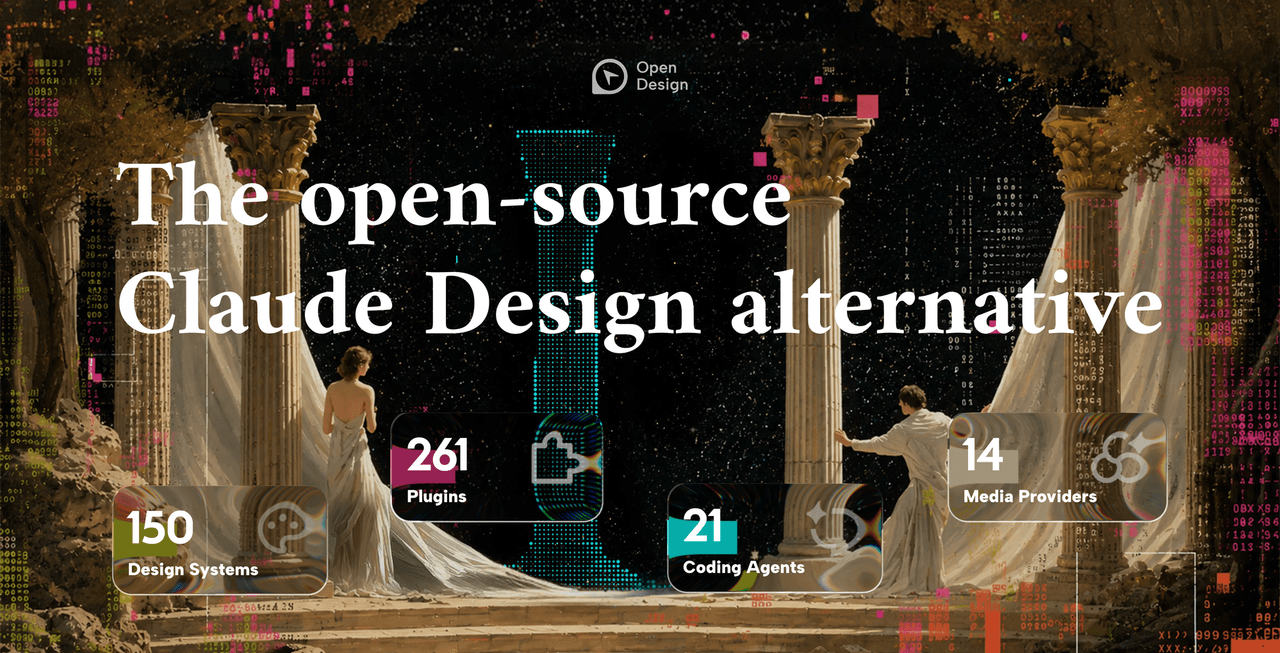 nexu-io/open-design
🎨 Best DeepSeek Harness Design Plugin. The open-source Claude Design alternative. 🖥️ Local-first desktop app. 🖼️ Your…
nexu-io/open-design
🎨 Best DeepSeek Harness Design Plugin. The open-source Claude Design alternative. 🖥️ Local-first desktop app. 🖼️ Your…
-
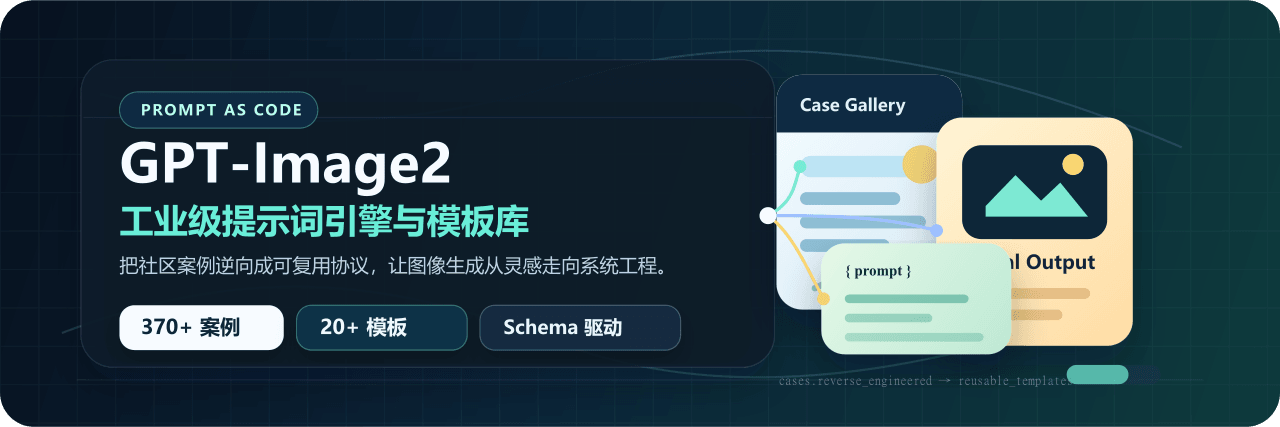 freestylefly/awesome-gpt-image-2
Prompt as Code | GPT-Image2 工业级提示词引擎与模板库,530+ 个案例逆向工程,20+ 套工业级模板,并提炼出Skills,持续更新中
freestylefly/awesome-gpt-image-2
Prompt as Code | GPT-Image2 工业级提示词引擎与模板库,530+ 个案例逆向工程,20+ 套工业级模板,并提炼出Skills,持续更新中
-
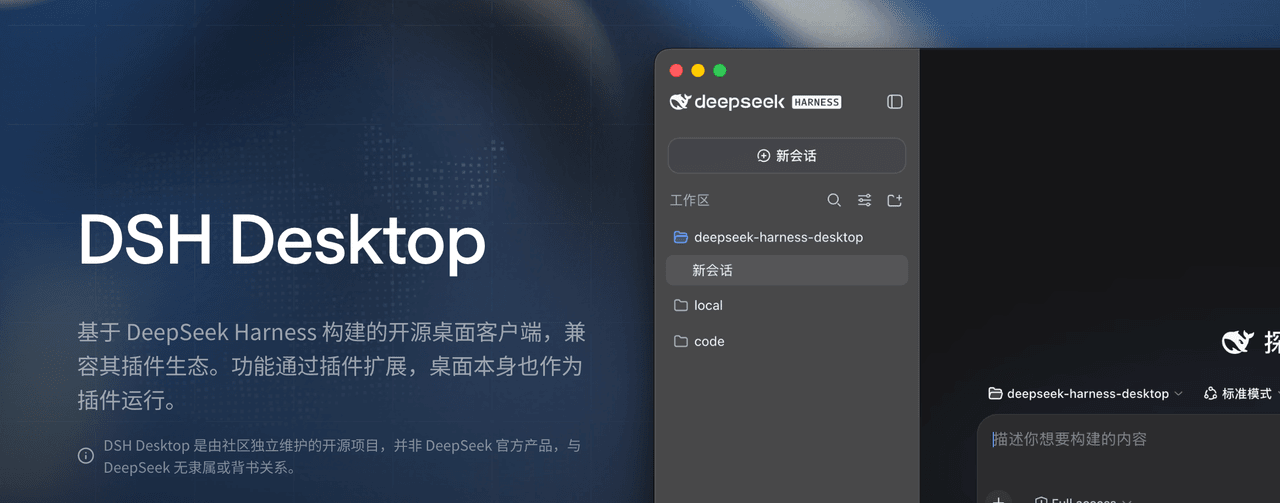 anywhere-labs/dsh-desktop
为 DeepSeek Harness (DSH) 插件生态打造的现代化桌面端解决方案。万物皆「插件」,桌面本身也是「插件」。
anywhere-labs/dsh-desktop
为 DeepSeek Harness (DSH) 插件生态打造的现代化桌面端解决方案。万物皆「插件」,桌面本身也是「插件」。
- Nagi-ovo/voyager Enhancement suite for Gemini, AI Studio, Claude & ChatGPT — plus a prompt manager for any web UI, DeepSeek Harness inclu…
-
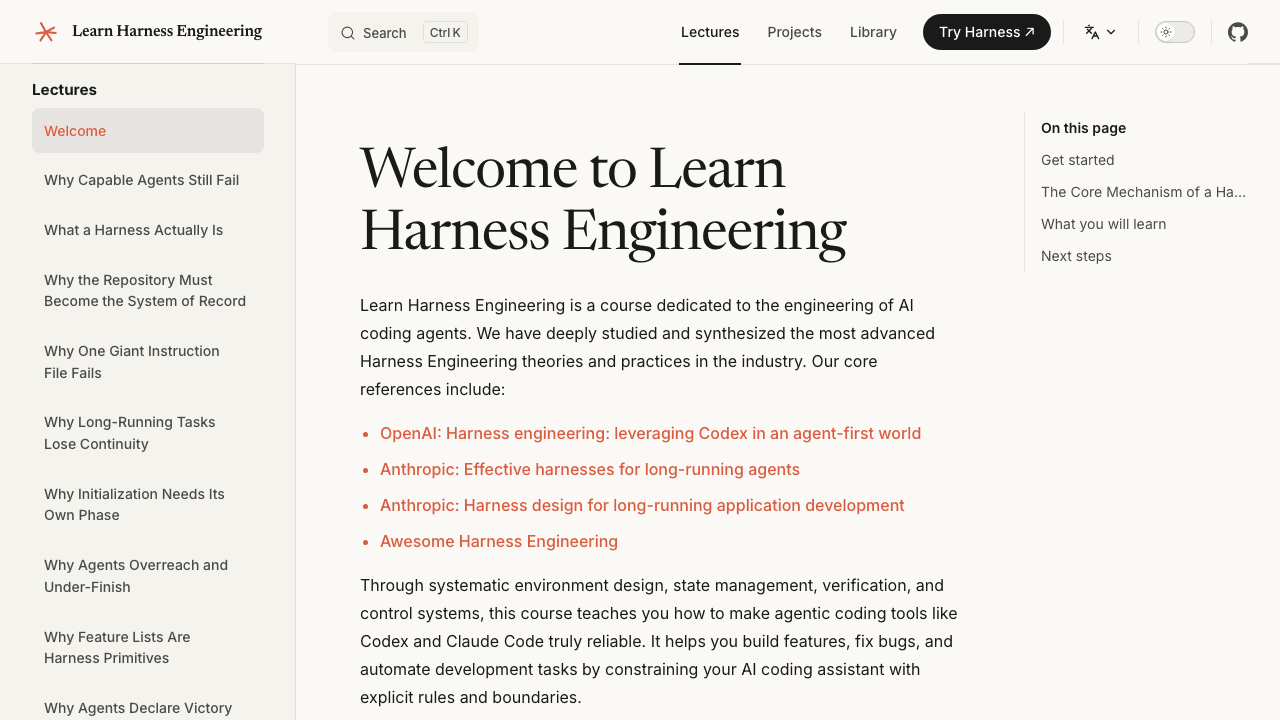 walkinglabs/learn-harness-engineering
Harness engineering beginner tutorial, from 0 to 1
walkinglabs/learn-harness-engineering
Harness engineering beginner tutorial, from 0 to 1
-
 awesome-dsh-plugin/awesome-dsh-plugin
A curated list of plugins for DeepSeek Harness (dsh) · DeepSeek Harness 插件精选列表
awesome-dsh-plugin/awesome-dsh-plugin
A curated list of plugins for DeepSeek Harness (dsh) · DeepSeek Harness 插件精选列表
-
 MemTensor/MemOS
Self-evolving memory OS for LLM & AI Agents: ultra-persistent memory, hybrid-retrieval, and cross-task skill reuse, with…
MemTensor/MemOS
Self-evolving memory OS for LLM & AI Agents: ultra-persistent memory, hybrid-retrieval, and cross-task skill reuse, with…
- yjh051108/dsh-routing-suite dsh-routing-suite — injector + router-standard kit: install the runtime injector first, then the task-aware reasoning-mo…