ottotheagent/otto-dsh
Book real flights, hotels & cars with Otto from DeepSeek Harness (dsh) — the otto-travel MCP connector as a dsh plugin.
项目介绍Project Overview
Otto Travel 是 DeepSeek Harness 插件,内置 stdio MCP 代理,通过设备授权 OAuth 接入 Otto,无需 API 密钥。它提供航班、酒店、租车搜索与真实预订、订单查询/取消、偏好及常旅客管理等工具。适合在 dsh 对话中规划并直接出票订房。注意:预订为真实交易,会生成 Spotnana PNR 并使用已存付款方式;账户需已开通且含旅客资料,每张 PNR 仅限一名旅客。
Otto Travel is a DeepSeek Harness plugin that bundles a stdio MCP proxy using Otto device-grant OAuth, with no API key. It exposes tools for searching and booking real flights, hotels, and cars, plus bookings, cancellation, preferences, and loyalty programs. Use it inside dsh to plan and complete travel in conversation. Caveat: bookings are real, create Spotnana PNRs, and charge the stored payment method; users must be provisioned, and each PNR covers one traveler.
请帮我了解并安装插件:【otto-dsh】【https://github.com/ottotheagent/otto-dsh】把上面这条消息直接发给当前会话里的 DSH,让它帮你了解并安装。安装命令不一定准确,发给 DSH 更稳。Send this message to DSH in your current session. CLI install commands may not be accurate across systems — DSH will figure it out for you.
或使用命令行安装(适合开发者)Or use CLI install (for developers)
命令行安装CLI Install
dsh plugin add github:ottotheagent/otto-dsh把 ottotheagent/otto-dsh 加入你的 DSH 配置(web profile)即可启用。
READMEREADME
Otto Travel — DeepSeek Harness (dsh) plugin
Created: 2026-08-14 · Last Updated: 2026-08-14
Book real flights, hotels, and cars with Otto from inside DeepSeek Harness
(dsh). Bookings execute
inside Otto (real Spotnana PNR, the authenticated user's stored payment method).
This repo is self-contained: it ships a small stdio MCP proxy that runs
Otto's device-grant OAuth and fronts Otto's OAuth-protected /mcp endpoint.
dsh launches it via npx, so there's nothing else to install and no API key.
(It shares the same OAuth approach as Otto's OpenClaw and Claude connectors; each
integration keeps its own copy of the small auth core.)
What you get
Otto's tools land in the model namespace as mcp__otto__<tool>:
otto_setup · search_flights · query_flights · book_flight ·
search_hotels · get_hotel_rooms · book_hotel · get_bookings ·
cancel_booking · read_skill · read_preferences / write_preference ·
read_loyalty_programs / write_loyalty_program · task_status
Setup
Zero to a booked trip, in five steps.
1. Prerequisites
- DeepSeek Harness (
dsh) installed and working. - Node /
npxon yourPATH(already there — dsh is Node-based). - An Otto account you can sign into (or create one during step 4). Booking requires an enabled Otto user with a traveler profile + payment method — see Who can actually book.
2. Add Otto to your dsh composition
Add this entry to your cordis.yml (or a profile patch) — the full file is
cordis.otto.patch.yml:
- id: mcp-otto
  name: '@deepseek-ai/dsh-mcp-client'
  config:
    serverName: otto
    transport: stdio
    command: npx
    args: ['-y', 'github:ottotheagent/otto-dsh']
If your dsh build supports bundle install, this does the same:
dsh plugin add github:ottotheagent/otto-dsh
npx builds and runs the bundled proxy on first launch — nothing else to
install, no API key.
After this package is published to npm, replace
github:ottotheagent/otto-dshwith@ottotheagent/otto-dsh.
3. Start dsh
Boot your dsh profile as usual. Otto's tools now appear in the model namespace as
mcp__otto__* — including mcp__otto__otto_setup.
4. Authorize Otto (one time)
Ask the agent to do anything travel-related, e.g.:
Plan a trip: SFO to JFK next Tuesday, cheapest nonstop.
On the first call the agent runs otto_setup, which opens the approval page in
your browser automatically (and prints the URL as a fallback). If you're
already signed into Otto, it's one click — Approve. Tokens then cache at
~/.otto/mcp-tokens.json and refresh automatically, so you won't be asked again.
(Auth is OAuth device grant; there is no key or token to paste. Set
OTTO_NO_BROWSER=1 for headless environments.)
Tip: to have the dsh agent drive the mechanical setup (add the cordis entry, then prompt you to reload + approve), see
AGENTS.md— it tells the agent to do the config and relay the approval, but never approve for you.
5. Search & book
Continue the conversation. The agent uses search_flights / query_flights /
book_flight (and the hotel/car tools) to find options and book. Bookings are
real — a live PNR on your Otto account, charged to your stored payment method.
Non-prod endpoint:
export OTTO_MCP_URL="https://<stg-host>/mcp"before booting dsh to point at a non-production Otto.
Who can actually book (gates)
- The authenticated user must be a provisioned, enabled Otto user (a real Otto account with a Spotnana traveler profile + payment method). Sign-up / provisioning happen in Otto's hosted authorize flow — the same onboarding path as the Claude and OpenClaw connectors. The connector authenticates; it does not create accounts or capture payment on its own.
- Single traveler per PNR —
book_flightbooks one traveler. To book for someone who granted you delegate access, uselist_managed_travelers(books as them, not N pax on one ticket).
Build / run from source
npm install
npm run build
node dist/index.js            # speaks MCP over stdio; arg or $OTTO_MCP_URL sets the endpoint
Smoke test
smoke/ drives one real booking turn through dsh using the
deepseek-harness-sdk. See smoke/README.md.
Notes
- dsh is developer-preview (rc) — the
dsh-mcp-clientconfig schema can shift between releases. This mount matches the current docs (transport: stdio+command/args); re-verify withdsh --dump-configafter upgrading dsh. - The bundled proxy (
src/) is a per-repo copy of Otto's small OAuth + MCP core; the authoritative copy lives with Otto's other connectors.
License
相关推荐Related
-
 nexu-io/open-design
🎨 Best DeepSeek Harness Design Plugin. The open-source Claude Design alternative. 🖥️ Local-first desktop app. 🖼️ Your…
nexu-io/open-design
🎨 Best DeepSeek Harness Design Plugin. The open-source Claude Design alternative. 🖥️ Local-first desktop app. 🖼️ Your…
-
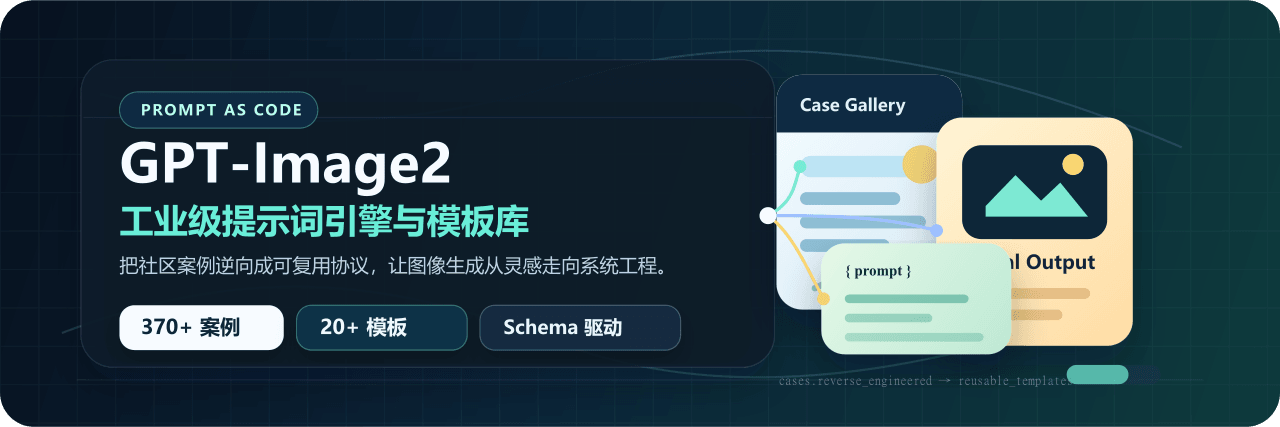 freestylefly/awesome-gpt-image-2
Prompt as Code | GPT-Image2 工业级提示词引擎与模板库,530+ 个案例逆向工程,20+ 套工业级模板,并提炼出Skills,持续更新中
freestylefly/awesome-gpt-image-2
Prompt as Code | GPT-Image2 工业级提示词引擎与模板库,530+ 个案例逆向工程,20+ 套工业级模板,并提炼出Skills,持续更新中
-
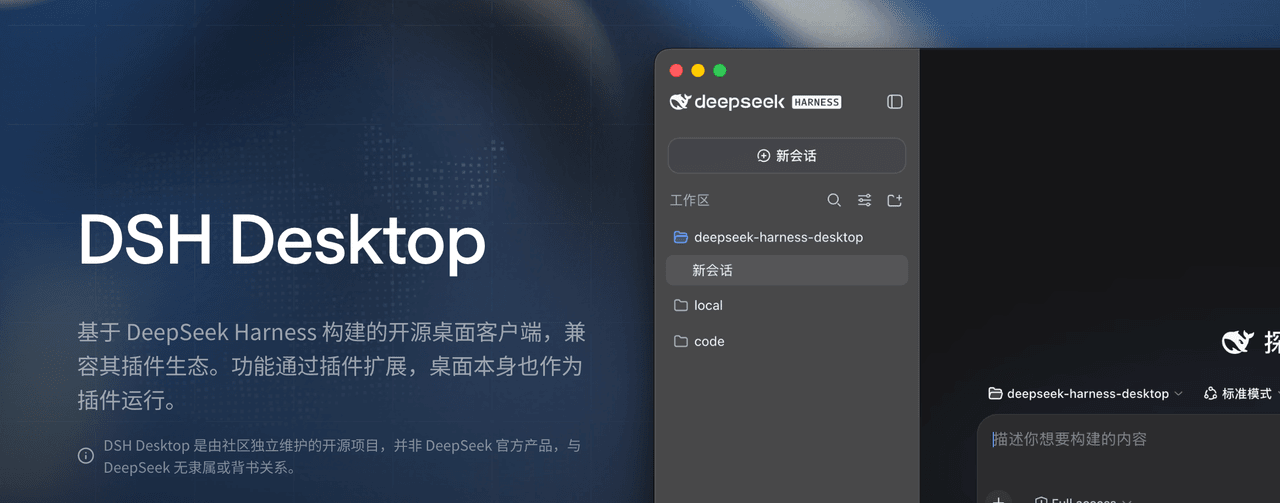 anywhere-labs/dsh-desktop
为 DeepSeek Harness (DSH) 插件生态打造的现代化桌面端解决方案。万物皆「插件」,桌面本身也是「插件」。
anywhere-labs/dsh-desktop
为 DeepSeek Harness (DSH) 插件生态打造的现代化桌面端解决方案。万物皆「插件」,桌面本身也是「插件」。
- Nagi-ovo/voyager Enhancement suite for Gemini, AI Studio, Claude & ChatGPT — plus a prompt manager for any web UI, DeepSeek Harness inclu…
-
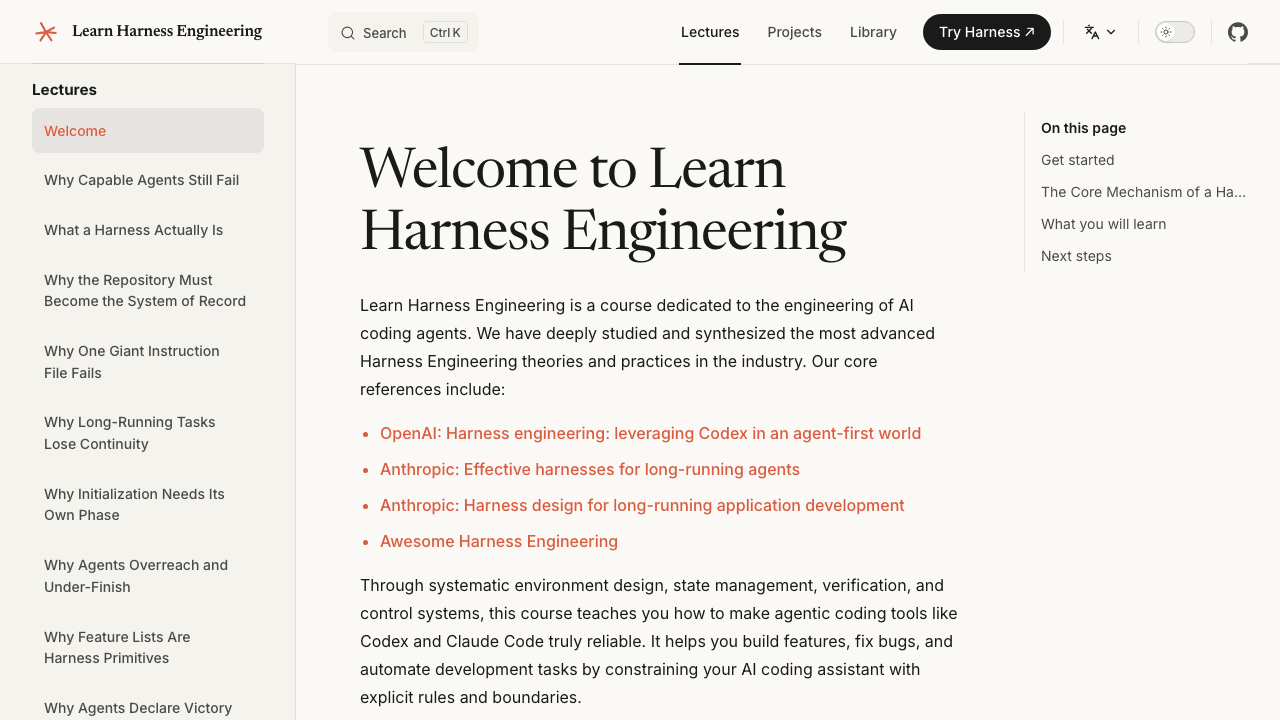 walkinglabs/learn-harness-engineering
Harness engineering beginner tutorial, from 0 to 1
walkinglabs/learn-harness-engineering
Harness engineering beginner tutorial, from 0 to 1
-
 awesome-dsh-plugin/awesome-dsh-plugin
A curated list of plugins for DeepSeek Harness (dsh) · DeepSeek Harness 插件精选列表
awesome-dsh-plugin/awesome-dsh-plugin
A curated list of plugins for DeepSeek Harness (dsh) · DeepSeek Harness 插件精选列表
-
 MemTensor/MemOS
Self-evolving memory OS for LLM & AI Agents: ultra-persistent memory, hybrid-retrieval, and cross-task skill reuse, with…
MemTensor/MemOS
Self-evolving memory OS for LLM & AI Agents: ultra-persistent memory, hybrid-retrieval, and cross-task skill reuse, with…
- yjh051108/dsh-routing-suite dsh-routing-suite — injector + router-standard kit: install the runtime injector first, then the task-aware reasoning-mo…