PiyotaHu/muxiva-dsh-voice
由Muxiva编排的DeepSeek Harness本地优先全双工语音功能
项目介绍Project Overview
Muxiva Voice 是 DSH 的本地全双工语音插件:麦克风、VAD、ASR、TTS、播放与打断均在 Mac 本地运行,DSH 继续负责会话、工具与 Web 界面。适合在 Apple Silicon 上为 DSH 添加低延迟语音对话。目前为 alpha,仅支持 macOS arm64、指定 DSH 版本及本地模型环境。
Muxiva Voice is a local-first, full-duplex voice plugin for DeepSeek Harness. It runs microphone capture, VAD, ASR, sentence scheduling, TTS, playback, and barge-in on the Mac, while DSH keeps the agent, sessions, tools, and Web UI. Use it to add low-latency voice conversation on Apple Silicon. It is alpha software, limited to macOS arm64, specific DSH releases, and local model setup.
请帮我了解并安装插件:【muxiva-dsh-voice】【https://github.com/PiyotaHu/muxiva-dsh-voice】把上面这条消息直接发给当前会话里的 DSH,让它帮你了解并安装。安装命令不一定准确,发给 DSH 更稳。Send this message to DSH in your current session. CLI install commands may not be accurate across systems — DSH will figure it out for you.
或使用命令行安装(适合开发者)Or use CLI install (for developers)
命令行安装CLI Install
dsh plugin --profile web add @muxiva/dsh-voice@alpha把 PiyotaHu/muxiva-dsh-voice 加入你的 DSH 配置(web profile)即可启用。
READMEREADME
Muxiva Voice for DeepSeek Harness
Local-first, full-duplex voice for the official DeepSeek Harness, orchestrated by Muxiva.
Your microphone, VAD, ASR, sentence scheduling, TTS, playback and interruption path stay on the Mac. DSH remains the stateful Agent harness and keeps its tools, sessions and Web transcript.
Alpha: public npm installation, the integration contract and unattended M1 Pro certification are complete. Muxiva 0.1.1 wheels are published for CPython 3.8–3.14, including macOS universal2. DSH rc.5 and rc.6 are supported; alpha.2 is certified against rc.6.
What runs where
DSH Web microphone ──PCM16──▶ Muxiva Graph
                              ├─ Silero VAD ──barge-in──┐
                              ├─ Zipformer ──preview─────┤
                              └─ SenseVoice zh/en final─┼─▶ DSH Session / Agent / Tools
DSH assistant deltas ─────────▶ sentence buffer ─▶ speech formatter ─▶ speech normalizer ─▶ Qwen3-TTS / MLX ─▶ browser speaker
- Muxiva owns the real-time pipeline: typed Frames, bounded queues, backpressure, Signals, cancellation and observability.
- DSH owns the Agent: session history, model selection, tools, permissions and Web UI.
- The plugin owns only the bridge: additive DSH UI, a versioned loopback protocol and project Node Packs. Neither upstream repository is patched.
Install the alpha (Apple Silicon)
Prerequisites: macOS arm64, Node.js 22.19+, Python 3.11–3.13, the Muxiva 0.1.1 CLI, and the official DSH CLI.
dsh plugin --profile web add @muxiva/dsh-voice@alpha
npx @muxiva/dsh-voice@alpha setup
npx @muxiva/dsh-voice@alpha start
Run dsh --profile web in a second terminal. Models, the isolated Python environment and logs are stored outside the npx cache in the stable OS user-data directory. Print it with npx @muxiva/dsh-voice@alpha home, or override it with MUXIVA_DSH_VOICE_HOME.
Develop from source
Prerequisites: macOS arm64, Node.js 22.19+, Python 3.11–3.13, Rust, Muxiva source at ../muxiva, the muxiva CLI, and an installed official DSH CLI.
git clone https://github.com/PiyotaHu/muxiva-dsh-voice.git
cd muxiva-dsh-voice

# Build the project Python environment and fetch revision- and SHA-256-pinned models.
npm run doctor -- --fix
npm run models

# Install this checkout as a DSH Bundle. No prepare script is executed.
dsh plugin --profile web add .
Start the two supervised processes. Headless mode is the normal low-overhead product path:
# Terminal A
npm start

# Terminal B
dsh --profile web
For local diagnosis, replace npm start with npm run observe. It opens the same
graph.json in Muxiva Studio while keeping the authenticated DSH loopback bridge supervised.
Select Run, then open ◎ Observe for live per-Node latency and throughput, per-Edge queue
age and rates, Node-owned buffers, traces and hotspot verdicts. npm run start:headless is the
explicit non-Studio form; npm start remains headless by default.
Both modes append bridge and Runtime output to .muxiva/runtime.log; use
tail -f .muxiva/runtime.log when diagnosing a headless session.
Open the printed DSH URL, create or open a session, then select the large voice orb above the composer. Its halo follows input energy and the visible status moves through listening, hearing, thinking and speaking. Once connected, the large orb toggles microphone mute without stopping the WebSocket, AudioWorklet or Graph. Muting admits no PCM, explicitly pauses the Muxiva audio Source, and resets VAD/ASR before resume; the small End control performs a full shutdown. VAD onset is advisory; only a non-empty ASR partial or an admitted multilingual Final confirms barge-in, cancels old playback and the active Agent turn. Rejected noise returns to listening instead of prompting DSH.
The reliability-first defaults wait for 2 seconds of continuous silence before emitting ASR Final, use a 0.75 VAD threshold with a 350 ms minimum-speech gate, and prepend 500 ms before Silero's segment start so SenseVoice does not lose quiet opening syllables. SenseVoice Finals admit only Chinese and English speech with meaningful text, rejecting non-speech events and Japanese/Korean noise hallucinations. Display-only emoji and brackets become prosodic pauses instead of gluing adjacent words. Qwen3-TTS uses Serena with a fixed calm prosody profile and conservative sampling. A two-stage context policy starts one early 48–96-character phrase, then synthesizes the entire remaining Agent Final as one context; short answers use one call and long answers use at most two. This avoids both full-answer startup latency and repeated per-sentence prosody resets. Bounded real-time PCM pacing prevents the playback queue from growing without limit.
The package is a native DSH Bundle (dsh.bundle) and a dual-face Web plugin (dsh.client). Discovery uses the GitHub dsh-plugin topic; DSH does not currently operate a centralized plugin marketplace.
Security posture
- The speech bridge binds only to loopback and accepts one active client.
- Model artifacts are pinned by immutable revision/URL; the Qwen3-TTS weights and tokenizer are SHA-256 verified.
- No API key, microphone recording or transcript is uploaded by this plugin.
- Browser echo cancellation, noise suppression and automatic gain control are requested.
- Queue capacities are finite; stale TTS and Agent output are fenced after barge-in.
- The DSH plugin adds UI through a documented slot and uses only
Session.prompt/Session.cancel; it never changes the agent loop.
See the compatibility matrix, security model, protocol, model licenses, and contribution guide.
Development
npm test
npm run pack:smoke
python3 -m compileall -q python .muxiva/nodes

# After setup/models: certifies Qwen3-TTS Chinese loopback and English ASR.
npm run test:e2e

# Deterministic release-grade workload (about 40 minutes on the M1 Pro).
npm run benchmark:certify
The first M1 Pro certification completed 130/130 turns and 30/30 interruptions with zero TTS underruns. Latency distributions, resource use, CER/WER scope and reproduction commands live in Performance.
License
Apache-2.0. Models remain under their own licenses and are downloaded at setup time; they are not redistributed in the npm package.
相关推荐Related
-
 nexu-io/open-design
🎨 Best DeepSeek Harness Design Plugin. The open-source Claude Design alternative. 🖥️ Local-first desktop app. 🖼️ Your…
nexu-io/open-design
🎨 Best DeepSeek Harness Design Plugin. The open-source Claude Design alternative. 🖥️ Local-first desktop app. 🖼️ Your…
-
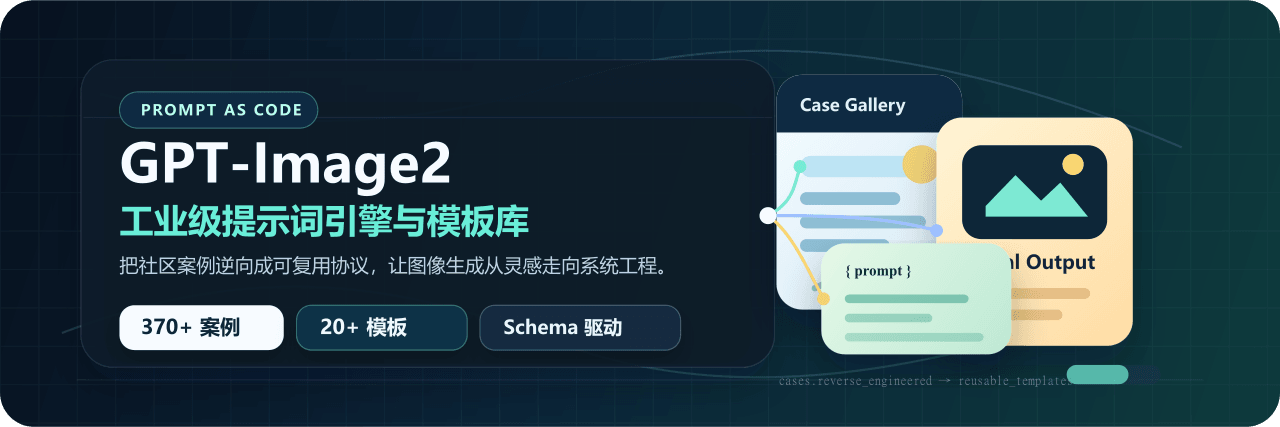 freestylefly/awesome-gpt-image-2
Prompt as Code | GPT-Image2 工业级提示词引擎与模板库,530+ 个案例逆向工程,20+ 套工业级模板,并提炼出Skills,持续更新中
freestylefly/awesome-gpt-image-2
Prompt as Code | GPT-Image2 工业级提示词引擎与模板库,530+ 个案例逆向工程,20+ 套工业级模板,并提炼出Skills,持续更新中
-
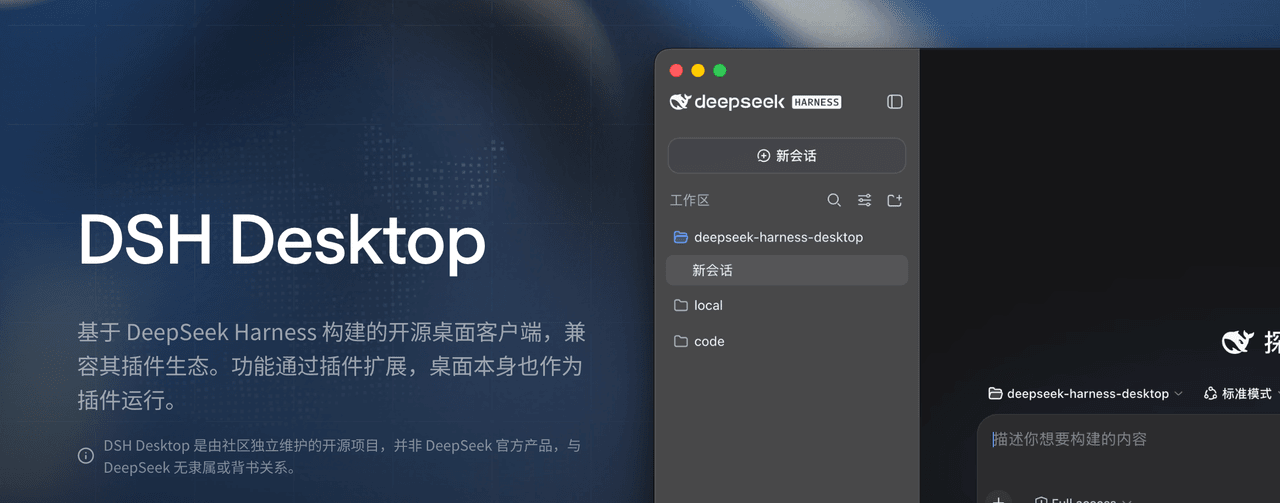 anywhere-labs/dsh-desktop
为 DeepSeek Harness (DSH) 插件生态打造的现代化桌面端解决方案。万物皆「插件」,桌面本身也是「插件」。
anywhere-labs/dsh-desktop
为 DeepSeek Harness (DSH) 插件生态打造的现代化桌面端解决方案。万物皆「插件」,桌面本身也是「插件」。
- Nagi-ovo/voyager Enhancement suite for Gemini, AI Studio, Claude & ChatGPT — plus a prompt manager for any web UI, DeepSeek Harness inclu…
-
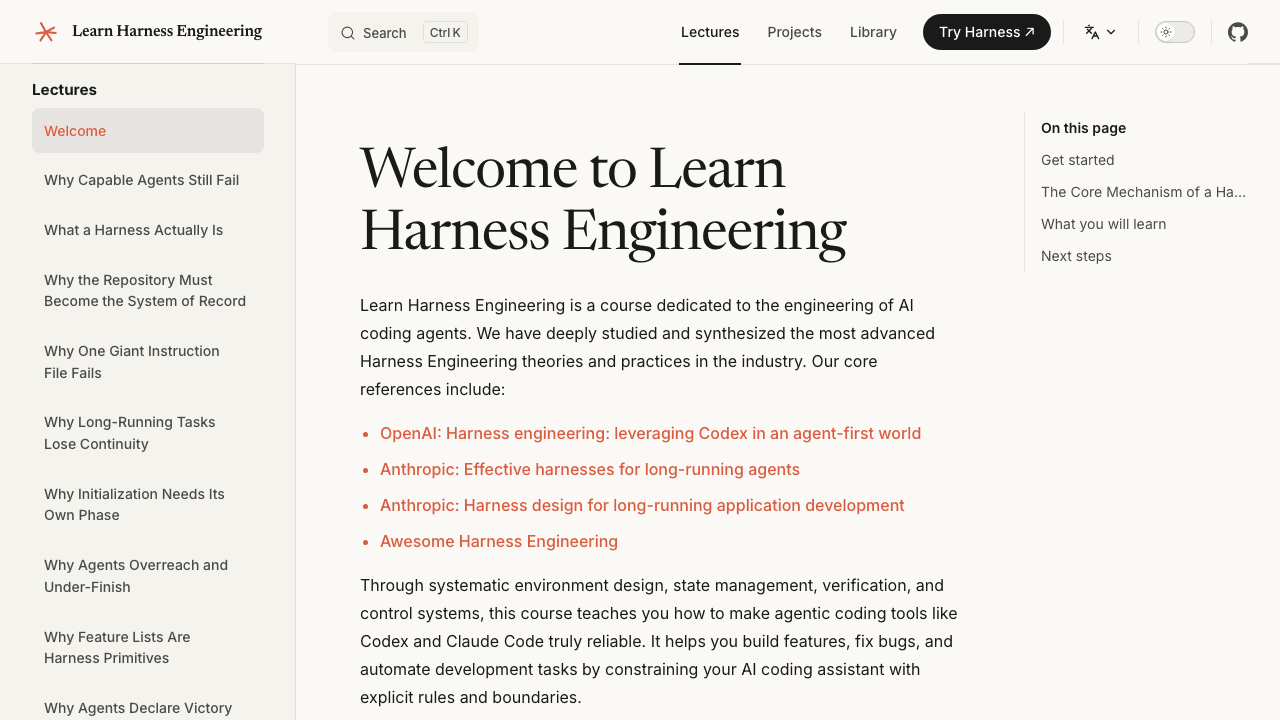 walkinglabs/learn-harness-engineering
Harness engineering beginner tutorial, from 0 to 1
walkinglabs/learn-harness-engineering
Harness engineering beginner tutorial, from 0 to 1
-
 awesome-dsh-plugin/awesome-dsh-plugin
A curated list of plugins for DeepSeek Harness (dsh) · DeepSeek Harness 插件精选列表
awesome-dsh-plugin/awesome-dsh-plugin
A curated list of plugins for DeepSeek Harness (dsh) · DeepSeek Harness 插件精选列表
-
 MemTensor/MemOS
Self-evolving memory OS for LLM & AI Agents: ultra-persistent memory, hybrid-retrieval, and cross-task skill reuse, with…
MemTensor/MemOS
Self-evolving memory OS for LLM & AI Agents: ultra-persistent memory, hybrid-retrieval, and cross-task skill reuse, with…
- yjh051108/dsh-routing-suite dsh-routing-suite — injector + router-standard kit: install the runtime injector first, then the task-aware reasoning-mo…