s17179XTY/dsh-mobile
dsh-mobile — 用于 DeepSeek Harness 的手机连接
项目介绍Project Overview
dsh-mobile 是 DeepSeek Harness 的手机连接插件,为任意 DSH web profile 提供局域网配对桥、手机端 DSH 客户端和设置栏手机入口。手机扫码、桌面批准后即可在同一可信 Wi-Fi 下查看工作区、会话与历史并发送提示。适用于需用手机远程操作本地 DSH 的场景。注意:桥接监听私网随机端口,仅限可信网络,不用时应卸载。
dsh-mobile is a DeepSeek Harness plugin that adds phone-connect to any DSH web profile: a LAN pairing bridge, a mobile DSH client, and a phone entry in the settings row. After QR scanning and desktop approval, the phone can list workspaces and sessions, read history, send prompts, and cancel generation over the same trusted Wi-Fi. Use it when you need mobile access to a local DSH instance. Caveat: the bridge listens on private-network interfaces, so use it only on trusted networks and remove it when unused.
请帮我了解并安装插件:【dsh-mobile】【https://github.com/s17179XTY/dsh-mobile】把上面这条消息直接发给当前会话里的 DSH,让它帮你了解并安装。安装命令不一定准确,发给 DSH 更稳。Send this message to DSH in your current session. CLI install commands may not be accurate across systems — DSH will figure it out for you.
或使用命令行安装(适合开发者)Or use CLI install (for developers)
命令行安装CLI Install
dsh plugin --profile web add https://github.com/s17179XTY/dsh-mobile把 s17179XTY/dsh-mobile 加入你的 DSH 配置(web profile)即可启用。
READMEREADME
dsh-mobile — Phone Connect for DeepSeek Harness
dsh-mobile is a DeepSeek Harness (DSH) plugin that brings the official
phone-connect experience to any DSH web profile: a LAN pairing bridge, a
mobile-optimized DSH client for your phone, and a phone entry in the
settings row of the web GUI. It is a faithful port of the
dsh-desktop phone-connect
feature.
This plugin is built for DeepSeek Harness, not for any specific shell
app. It works in every deployment that runs a DSH web profile — plain
dsh web from the CLI, Bigfish, DSH Desktop-style desktop shells, or any
other wrapper. It contains no Bigfish- or DSH Desktop-specific code.
dsh-mobile 是面向 DeepSeek Harness 本体 的插件:任何运行 DSH web profile
的部署(命令行 dsh web、Bigfish、类 DSH Desktop 的桌面壳、或任何封装)都可以
安装使用,不绑定任何特定应用。
Features
- QR pairing with desktop approval — your phone scans a QR code (30-minute rotating token, timing-safe), the desktop confirms, and the phone gets an HttpOnly session cookie.
- Mobile DSH client — workspaces, session list, chat history, send prompts, stop generation; served by the bridge and fully usable over the LAN.
- Settings-row phone entry — a phone icon sits at the right end of the settings row; it shows a green connection dot while a phone is paired, and opens the pairing/manage dialog (QR + copy + countdown + approve/deny + disconnect).
- Safe by default — private-network-only listener on a random port,
loopback-only desktop endpoints, RPC allowlist (
workspace.list,session.list,session.history,session.create,session.prompt,session.cancel), strict CSP headers.
Architecture
Phone ──HTTP──▶ lan-bridge.mjs (LAN, random port)
                    │  QR pairing / mobile client / allowlisted RPC
                    │  (RPC forwarded to the harness /api with the
                    │   client-request envelope)
                    ▼
Harness web UI ──▶ /phone-connect/bridge  (host plugin, same-origin)
                    │  bridge snapshot: port/status/connected/desktopUrl
                    ▼
                /desktop* loopback endpoints (CORS for the GUI origin)
| Piece | File | Role |
|---|---|---|
| Bridge | lan-bridge.mjs |
Standalone Node HTTP server on 0.0.0.0 (random port): pairing, mobile client, RPC forwarding, /desktop* JSON/QR endpoints with CORS. |
| Pages | pages.mjs |
Verbatim ports of dsh-desktop's mobile client and pairing pages (brand name parameterized). |
| Host plugin | lib/index.js |
Spawns/monitors the bridge (auto-restart, capped), exposes /phone-connect/bridge + /phone-connect/config. |
| Client plugin | lib/client.js |
__ModuleLoader__ bundle: settings-row phone entry (green dot), pairing dialog, copy/countdown/approve UI. |
Install (安装)
Requires a DeepSeek Harness web profile (any deployment — the profile
mechanism is core DSH, so this works on plain dsh web, Bigfish, desktop
shells that mount a web profile, etc.).
dsh plugin --profile web add https://github.com/s17179XTY/dsh-mobile
# or via the DSH plugin market / dshmarket UI
Then restart the harness (or re-boot the profile) so the cordis.patch.yml
row mounts. The package depends on qrcode, installed automatically by the
profile's package manager.
Shell integration (壳侧整合)
"Shell" here means the app that hosts the harness around the web profile. The plugin integrates with the shell at two levels:
1. Web GUI shell — built in (无需额外工作)
The plugin's browser half registers into the web profile's own slot system: the settings-row phone entry (with the connected-status dot) and the pairing dialog appear in any DSH web GUI automatically. A browser-only deployment needs nothing else.
2. Native desktop shells — integration hook provided by the plugin
For a desktop shell with its own chrome (e.g., a DSH Desktop-style Electron app), the shell can add a native entry — a "Connect Phone…" menu item or tray action — that opens the bridge's desktop pairing page:
- The host plugin publishes the bridge snapshot at
GET /phone-connect/bridge, includingdesktopUrl(http://127.0.0.1:<port>/desktop, loopback-only). - That page is the full pairing/manage UI (QR, auto-refresh, approve/deny, disconnect) — exactly what dsh-desktop shows in its own Electron window.
- A shell can therefore discover the URL with one same-origin HTTP call and open it in a small window — no configuration, no credentials.
Shell (native chrome) ──GET /phone-connect/bridge──▶ desktopUrl
        │                                              │
        └──── open http://127.0.0.1:<port>/desktop ◀───┘   (loopback-only page)
Can DeepSeek Harness do this? / DeepSeek Harness 能做到吗?
Yes. Every runtime piece the plugin needs is core DeepSeek Harness
capability available to any profile: the profile-plugin mechanism
(cordis.patch.yml + dsh plugin add), webServer route registration,
the subprocess service, the standalone LAN bridge, and the browser-side
slot system. Nothing in this plugin depends on a particular shell app.
The one thing a plugin cannot do from inside the harness is inject native
menu items into a desktop shell's own menu bar — that chrome belongs to the
shell's code (it is exactly how dsh-desktop ships its "Harness → Connect
Phone…" item natively). For that case the plugin provides the
desktopUrl hook above, and the shell wires a menu/tray item to it.
Usage
- Open the web GUI and find the phone icon at the right end of the settings row (bottom-left sidebar).
- Click it → the pairing dialog opens with a QR code (valid 30 minutes; auto-refreshes on expiry; Copy button next to the URL).
- On your phone, keep it on the same trusted Wi-Fi, scan the QR with the camera (or open the copied URL).
- The dialog shows the pending phone — click 允许 / Allow.
- The phone opens the mobile DSH client. The connection stays active in the background; the icon shows a green dot while connected. Reopen the dialog to disconnect or refresh the QR.
The pairing URL stays valid across dialog sessions for its full lifetime — only an expired token is rotated.
Security
- The bridge binds
0.0.0.0on a random port and rejects non-private clients (10/8,172.16/12,192.168/16, ULA/link-local IPv6). /desktop*endpoints are loopback-only; CORS is granted only to the harness GUI origin.- Pairing token: 32 random bytes, timing-safe comparison, 30-minute TTL.
- Phone sessions: HttpOnly, SameSite=Strict cookie.
- The mobile client can only call the allowlisted RPC methods.
- Keep it on a network you trust. Remove the
dsh-mobilerow fromcordis.patch.yml(or uninstall) when you do not need phone access.
Troubleshooting
- Dialog stuck on "桥已停止,正在自动重试…" (bridge stopped, retrying).
Refresh the page first. If it persists, verify the bridge is actually up:
GET /phone-connect/bridgeon the harness origin should return{"status":"running", ..., "port": <n>}; the bridge's ownhttp://127.0.0.1:<port>/desktop/snapshotshould return{"running": true, ...}. The dialog accepts both liveness fields. - The browser tab no longer shows the plugin. The web shell picks a random port on each start, so a hand-opened tab keeps pointing at a dead port. Reopen the current harness URL (desktop shells reopen their own window automatically).
- Pairing URL says "invalid or expired". The token lives 30 minutes and is only rotated when actually expired — a copied URL stays usable for its full lifetime. A URL from an older rotation (or before a plugin update restarted the bridge) is intentionally dead; open the dialog to get a fresh one.
- Bridge keeps restarting. The host auto-restarts a crashed bridge up to
5 times (3 s apart); the
errorfield of/phone-connect/bridgecarries the last exit reason and stderr tail.
Configuration
--locale zh|enand--app-nameare passed to the bridge by the host; the web UI posts its locale automatically to/phone-connect/config.- The harness URL is derived from
webServer.port, so a changed GUI port needs no configuration.
Development
npm install        # dev deps (qrcode etc.)
npm run check      # node --check on all sources
npm test           # end-to-end bridge test (HARNESS_URL overrides the target)
The bridge can also be run standalone:
node lan-bridge.mjs --harness-url http://127.0.0.1:6730 \
                    --gui-origin http://127.0.0.1:6730 \
                    --locale zh --port 0
License
MIT — see LICENSE. The phone/mobile pages are ports of code from dataelement/dsh-desktop (MIT).
相关推荐Related
-
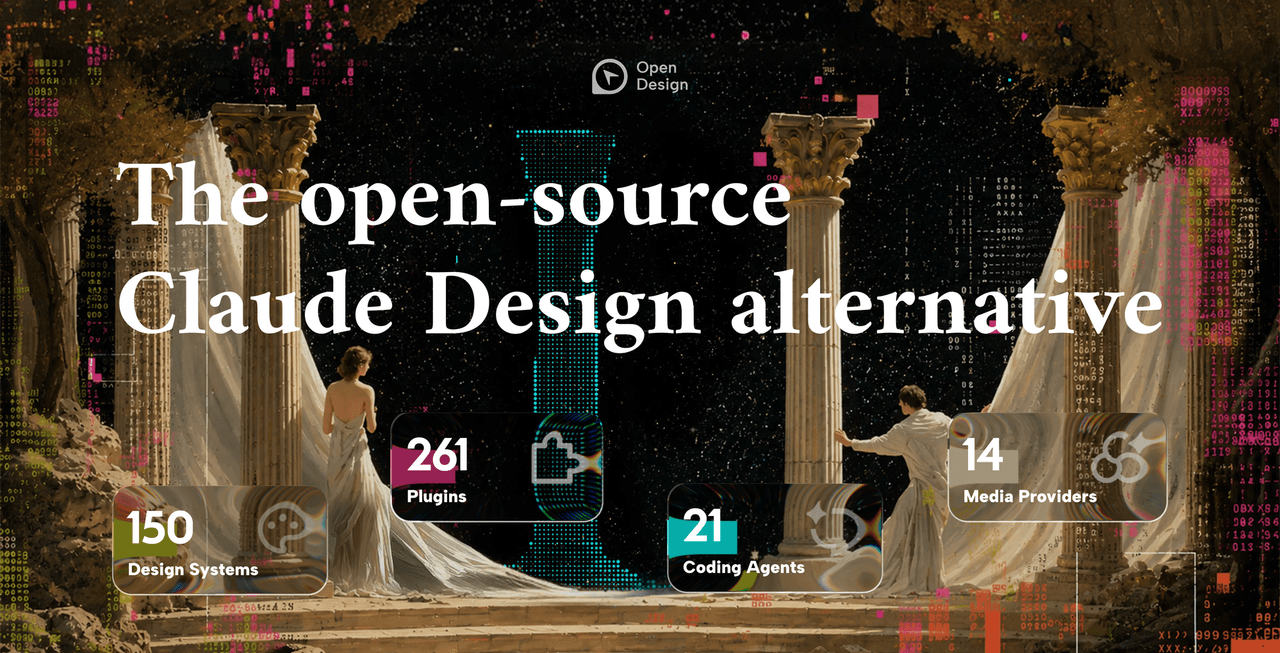 nexu-io/open-design
🎨 Best DeepSeek Harness Design Plugin. The open-source Claude Design alternative. 🖥️ Local-first desktop app. 🖼️ Your…
nexu-io/open-design
🎨 Best DeepSeek Harness Design Plugin. The open-source Claude Design alternative. 🖥️ Local-first desktop app. 🖼️ Your…
-
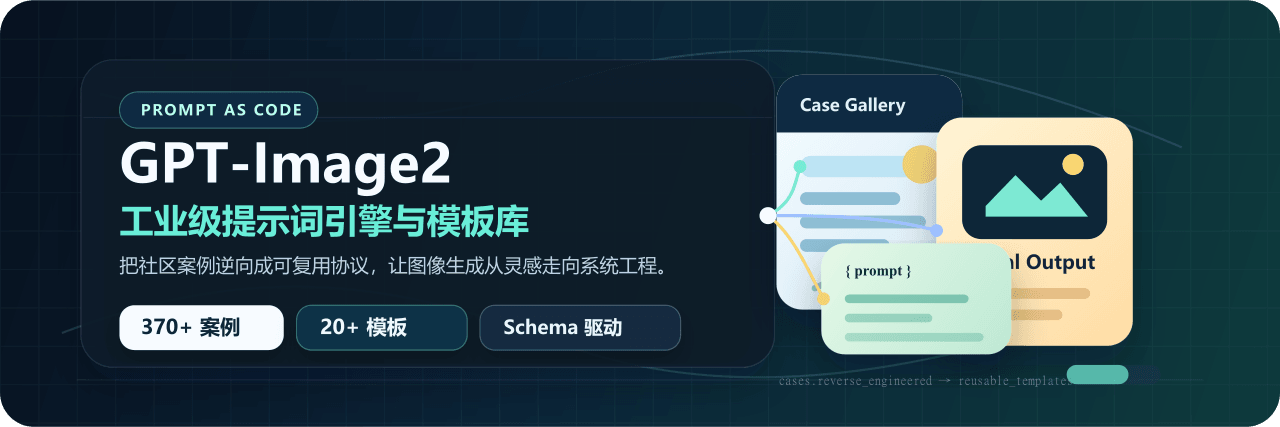 freestylefly/awesome-gpt-image-2
Prompt as Code | GPT-Image2 工业级提示词引擎与模板库,530+ 个案例逆向工程,20+ 套工业级模板,并提炼出Skills,持续更新中
freestylefly/awesome-gpt-image-2
Prompt as Code | GPT-Image2 工业级提示词引擎与模板库,530+ 个案例逆向工程,20+ 套工业级模板,并提炼出Skills,持续更新中
-
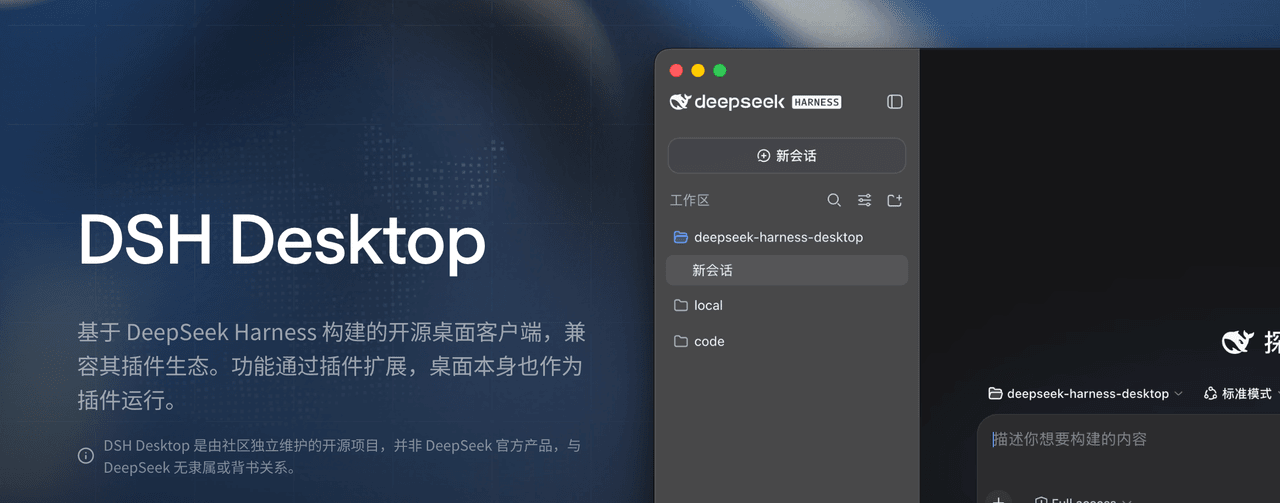 anywhere-labs/dsh-desktop
为 DeepSeek Harness (DSH) 插件生态打造的现代化桌面端解决方案。万物皆「插件」,桌面本身也是「插件」。
anywhere-labs/dsh-desktop
为 DeepSeek Harness (DSH) 插件生态打造的现代化桌面端解决方案。万物皆「插件」,桌面本身也是「插件」。
- Nagi-ovo/voyager Enhancement suite for Gemini, AI Studio, Claude & ChatGPT — plus a prompt manager for any web UI, DeepSeek Harness inclu…
-
 walkinglabs/learn-harness-engineering
Harness engineering beginner tutorial, from 0 to 1
walkinglabs/learn-harness-engineering
Harness engineering beginner tutorial, from 0 to 1
-
 awesome-dsh-plugin/awesome-dsh-plugin
A curated list of plugins for DeepSeek Harness (dsh) · DeepSeek Harness 插件精选列表
awesome-dsh-plugin/awesome-dsh-plugin
A curated list of plugins for DeepSeek Harness (dsh) · DeepSeek Harness 插件精选列表
-
 MemTensor/MemOS
Self-evolving memory OS for LLM & AI Agents: ultra-persistent memory, hybrid-retrieval, and cross-task skill reuse, with…
MemTensor/MemOS
Self-evolving memory OS for LLM & AI Agents: ultra-persistent memory, hybrid-retrieval, and cross-task skill reuse, with…
- yjh051108/dsh-routing-suite dsh-routing-suite — injector + router-standard kit: install the runtime injector first, then the task-aware reasoning-mo…