
yinhong-zhou/jevdo
The model is a tool now. 会做的事,为什么还要再想一遍? 第十次打开同一个项目,它还在读配置、找脚本、拼命令,把上周已经走通的路再想一遍。JevDo 在调用大模型之前,先让 Jev 判断:这件事,是不是已经会了?已有操作能处理,就直接调度执行;遇到新问题,再交给主模型。主模型把值得复用的做法保存为 Action,经过验证,留给下一次会话。
catalog descriptioncatalog 简介 / catalog description:Just Jev it. A Jev-first agent loop with reusable actions for DeepSeek Harness.
Project Overview项目介绍
JevDo is a native scheduling plugin built on top of DeepSeek Harness (DSH), framing itself as a new-generation harness architecture centered on a dispatcher called Jev. Before invoking a large model, Jev inspects the assembled session, tool history, and a cross-session Action library to decide whether an existing Action already covers the request; if so it dispatches the host tool directly, and only new problems or exceptions are routed to the main model, which in turn persists newly learned procedures as verified Actions. The current release targets DSH 0.2.0-rc.1 in headless mode, keeps the package and tool prefix jevaction, and exposes its core entry point at src/dsh/index.ts while adapting the official DSH Loop lifecycle code under src/vendor/dsh-loop.
The intended workflow is a three-step loop: Jev selects the next action, the host harness executes it under its own permissions and runs the saved acceptance check, and failures or unexpected outputs hand control back to the main model. Actions are stored with usage notes, project bindings, and acceptance criteria, so the same build Action can be reused across different projects as long as the acceptance checks reflect current sources and outputs. JevDo targets developers whose daily work is dominated by repeated development tasks such as bug fixing, CI repro, regression gating, and release cutting, and the README reports that after three rounds 3 of 4 such tasks can finish with zero main-model calls, cutting main-model invocations by roughly 74 percent compared with the native DSH Loop on the same minimal headless host.
Dependencies are minimal but explicit: Node.js 24.14 or newer, DSH 0.2.0-rc.1, and an MIT license that preserves upstream attributions in THIRD_PARTY_NOTICES.md. First-run setup is git clone https://github.com/yinhong-zhou/jevdo.git, cd jevdo, npm ci, then npm run demo for a key-less cross-session replay, while wiring a real Jev and main model is documented in docs/REFERENCE.md. Current limitations are clearly stated: learnable Actions are limited to fixed commands and project bindings, arbitrary free parameters, a full Web UI, and multi-agent composition compatibility are not in the verified scope, and Jev can occasionally pick the wrong action, so final acceptance rather than Jev's choice is the source of truth, and the figures come from a self-built small sample rather than a public benchmark.
JevDo 是基于 DeepSeek Harness(DSH)构建的原生调度插件,定位为"以 Jev 为调度核心的新一代 harness 架构"。它在调用大模型之前先让名为 Jev 的调度器判断任务是否已有可复用的 Action,若有则直接调度宿主工具执行,仅当遇到新问题或异常时才调用主模型,主模型反过来把值得复用的做法保存并验证为新的 Action。当前版本优先适配 DSH 0.2.0-rc.1 的 headless 使用,包名和工具前缀保留为 jevaction,核心入口位于 src/dsh/index.ts。
典型工作流由三步组成:Jev 选择下一步操作,宿主 Harness 执行命令并按 Action 规格验收,验收失败或结果不符合预期时把控制权交回主模型;同时 Action 库跨会话保留,可绑定不同项目脚本。它面向重复开发任务繁重、希望减少模型调用次数与费用的开发者,特别适用于 CI 复现、回归发版、bug 修复等交接密集的场景。README 给出的实测显示,三轮后 4 个任务中 3 个可零模型调用完成,主模型调用量较原生 DSH Loop 降低约 74%。
依赖方面要求 Node.js 24.14+ 与 DSH 0.2.0-rc.1,MIT 协议发布,安装步骤为 git clone、npm ci、npm run demo;当前可学习操作以固定命令和项目绑定为主,自由参数、Web UI 和多 Agent 组合兼容性未列入已验证范围,Jev 偶尔会误选操作,最终验收通过不代表每次判断都正确,结论来自自建小样本而非公开基准。
请帮我安装这个 DSH 插件。安装前先完成【兼容性检查 + 安全性检查】,检查通过再动手。

插件:jevdo(yinhong-zhou/jevdo)
仓库:https://github.com/yinhong-zhou/jevdo
本站详情页:https://www.yhbd.top/plugins/yinhong-zhou-jevdo/
本站登记:类型 plugin · 归类 原生 DSH 插件 · 许可证 MIT · ⭐ 10 · 最近提交 2026-10-03 · 主语言 TypeScript

按下面顺序执行,每步先把结论告诉我,再进入下一步:

【1 兼容性检查】
① 我这边:DSH 版本、Node 版本、操作系统、当前 profile(web / desktop)。
② 读它的 README、package.json、插件 manifest,列出它要求的 DSH 版本 / Node 版本 / 操作系统 / 外部依赖 / 需要另外先装的运行时。
③ 逐条比对,结论只写「满足 / 不满足 / 未知」三种;不满足的给出可行替代方案。
④ 检查是否和我已装的插件冲突:命令名重复、skill / tool 重名、端口占用、重复注册的 MCP server。

【2 安全性检查】
① 仓库可信度:和上面「本站登记」是否一致;star / fork 数、创建时间、最近提交,是否归档或长期停更。
② 安装脚本:逐行看 package.json 的 preinstall / install / postinstall,以及 install.sh、setup.ps1 之类脚本。出现 curl|bash、下载后直接执行、混淆代码、访问与插件功能无关的域名,立刻停下来告诉我,不要继续装。
③ 依赖:列出新增依赖,标出无人维护、或与知名包拼写近似的可疑包(typosquatting)。
④ 权限与副作用:它会读写哪些目录、访问哪些域名、需要哪些 DSH 权限(filesystem / network / shell / clipboard 等),以及怎么卸载和回滚。
⑤ 如果它要求 sudo / 管理员权限,或权限明显超出功能所需,先停下来问我。

【3 安装】
上面两步没有「不满足」和「高危项」时才执行;用官方推荐方式安装,不要自行提权。

【4 汇报】
用表格输出:检查项 / 结论 / 依据 / 是否需要我决策。拿不准的一律写「未知」并说明要我怎么确认——不要猜,也不要替我决定。
Send this message to DSH in your current session: it verifies compatibility and security first (answering met / not met / unknown item by item) and only installs once everything checks out — it will stop and ask you if it finds a high-risk item. The box scrolls; the copy is the full prompt. CLI install commands may not be accurate across systems, so DSH is the safer route.把上面这条消息直接发给当前会话里的 DSH:它会先核对兼容性与安全性(逐条给「满足 / 不满足 / 未知」),确认没问题再安装,有高危项会停下来问你。框内可滚动,复制到的是完整提示词;安装命令不一定准确,发给 DSH 更稳。
- 10 stars - an early-stage project星标 10,属于早期项目
DSH walks through these 9 checksDSH 会逐条核对这 9 项
Compatibility兼容性
- DSH, Node, OS and profile requirementsDSH 版本 / Node 版本 / 操作系统 / profile 是否满足要求
- External dependencies and runtimes (Electron / Python / Docker, ...)外部依赖与运行时(Electron / Python / Docker 等)是否齐备
- Conflicts with installed plugins: command names, skill / tool names, ports, duplicate MCP registration与已装插件是否冲突:命令名、skill / tool 重名、端口占用、重复 MCP 注册
Security安全性
- Repo matches the facts registered here; archived or abandoned?仓库是否与页面登记一致,是否归档或长期停更
- Safety of preinstall / install / postinstall and install.sh / setup.ps1preinstall / install / postinstall 与 install.sh、setup.ps1 是否安全
- curl|bash, download-then-execute, obfuscation, unrelated domains → stop immediatelycurl|bash、下载即执行、混淆代码、无关域名 → 立刻停止
- Typosquatting or unmaintained packages among the new dependencies新增依赖里有没有 typosquatting 或无人维护的包
- Requested permissions vs. what the feature actually needs申请了哪些权限、是否超出功能所需(filesystem / network / shell / clipboard)
- Any sudo / admin requirement, plus uninstall and rollback是否要求 sudo / 管理员权限,以及卸载与回滚方式
Anything uncertain must be marked unknown with a note on how to confirm it. This site's signal screen is a static snapshot, not a security audit.拿不准的必须标「未知」并说明要我怎么确认。本站的信号筛查是静态快照,不能替代安全审计。
Or use CLI install (for developers)或使用命令行安装(适合开发者)
CLI Install命令行安装
dsh plugin --profile web add github:yinhong-zhou/jevdo把 yinhong-zhou/jevdo 加入你的 DSH 配置(web profile)即可启用。
READMEREADME

JevDo
The model is a tool now.
以 Jev 为调度核心的新一代 harness 架构。
Action 沉淀经验 · Jev 决定下一步 · 大模型只是选项之一
Just Jev it.



简体中文 · English
使用场景 · 快速开始 · 工作方式 · 实验结果 · 贡献指南
会做的事,为什么还要再想一遍? 第十次打开同一个项目,它还在读配置、找脚本、拼命令,把上周已经走通的路再想一遍。JevDo 在调用大模型之前,先让 Jev 判断:这件事,是不是已经会了?已有操作能处理,就直接调度执行;遇到新问题,再交给主模型。主模型把值得复用的做法保存为 Action,经过验证,留给下一次会话。
接力长什么样
三个使用示例,假设项目已保存并验证了对应的 Action。
① 日常修 bug
“启动后台,修掉订单列表的分页 bug,跑完单测和构建再交给我。”
Jev     启动依赖与服务,检查就绪           [start-admin-backend]
  ↓
主模型  读 issue,定位并修复分页逻辑
  ↓
Jev     跑单测、构建,核对退出码与产物     [test-and-build]
  ↓
主模型  说明修改与验证结果
② CI 红了
“CI 的 lint 又挂了,本地复现修一下,确认能过。”
Jev     准备依赖,按 CI 配置复现 lint     [repro-ci-lint]
  ↓
主模型  根据报错修改代码
  ↓
Jev     重跑 lint,再执行提交前检查       [verify-before-push]
  ↓
主模型  解释改动,给出 commit message
③ 准备发版
“走一遍发版流程:版本号、changelog、tag、构建产物。”
Jev     跑全量回归,检查发版条件          [regression-gate]
  ↓
主模型  读合并记录,更新版本号与 CHANGELOG
  ↓
Jev     按项目脚本打 tag、构建、校验产物  [cut-release]
  ↓
主模型  整理 release notes
Jev 调度重复操作,主模型处理新问题。 启动 → 代码修改 → 测试构建的完整交接已在实验中跑通。如果请求只是“启动项目”或“跑一遍回归”,已有 Action 能覆盖全部工作且满足完成条件时,Jev 可以独立完成,全程零次主模型调用。
一轮是怎么走的
- Jev:决定下一步。读取与主模型相同的已组装会话和工具历史,选择 Action、请求主模型、澄清或结束本次请求。
- Action:留下怎么做。命令或脚本,连同用途、项目绑定和验收方式,跨会话保留;简单操作直接保存命令,复杂行为更适合脚本。
- 主模型:解决新问题,积累新操作。写代码、做推理、处理异常,也在任务中主动维护 Action 库。
Showing the opening section of the README — the full document lives in the repository以上为 README 开头摘要,完整文档在仓库内 · View the full README on GitHub →在 GitHub 查看完整 README →
Related相关推荐
-
 esengine/DeepSeek-Reasonix
A reliable coding agent for complex software engineering tasks.
esengine/DeepSeek-Reasonix
A reliable coding agent for complex software engineering tasks.
-
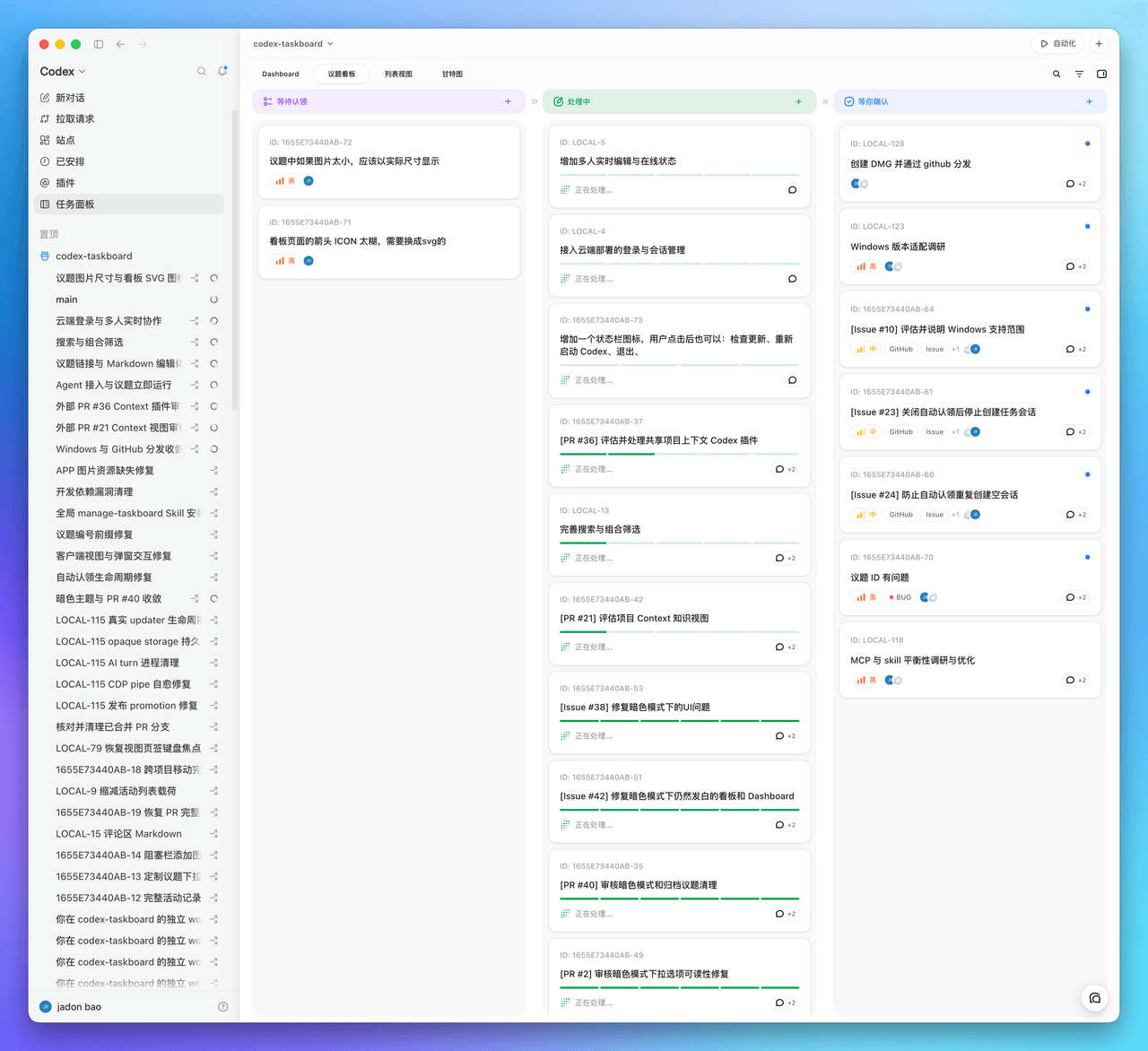 chuspeeism/dashi-taskboard
现代化可灵活嵌入的任务面板,支持 Codex、DeepSeek Harness
chuspeeism/dashi-taskboard
现代化可灵活嵌入的任务面板,支持 Codex、DeepSeek Harness
-
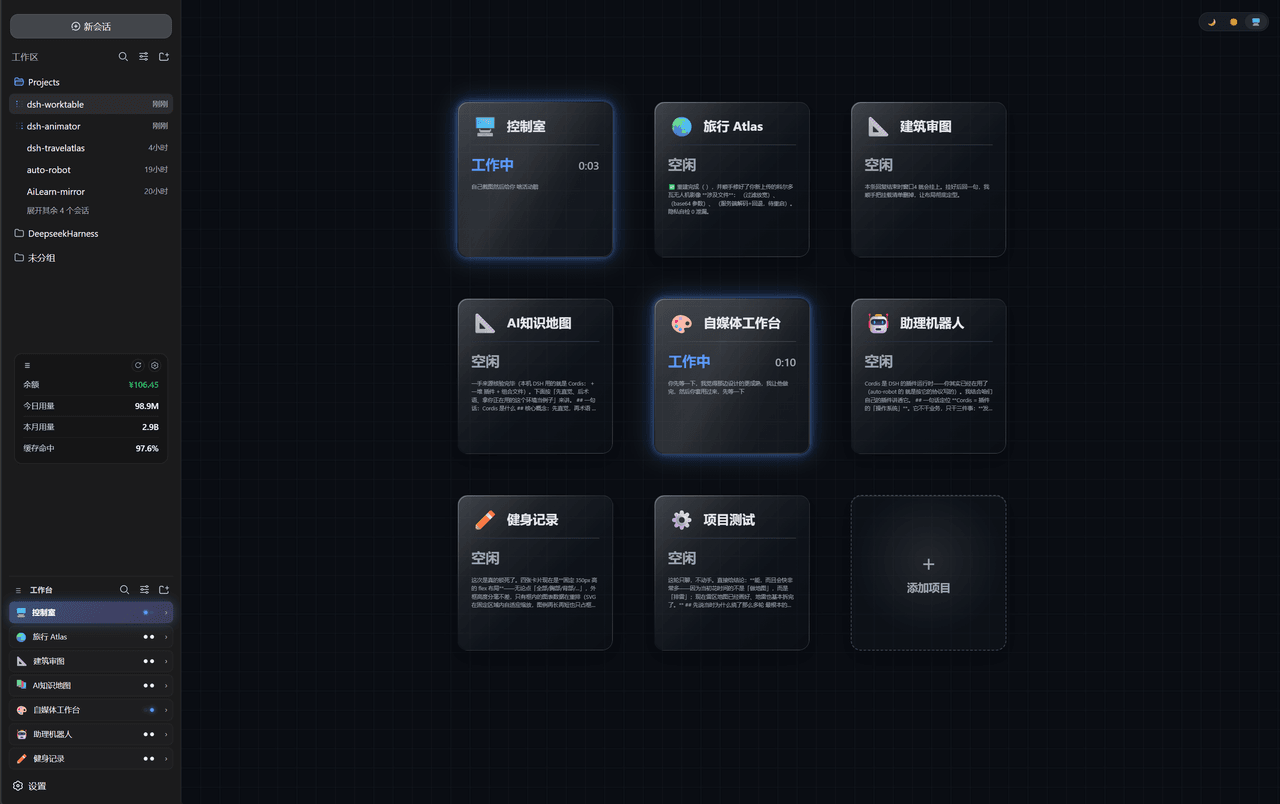 Aisland-SJL/dsh-worktable
🖥️ Agent-project workbench for DeepSeek Harness — sidebar app drawer + dockable split workspace + a live control room w…
Aisland-SJL/dsh-worktable
🖥️ Agent-project workbench for DeepSeek Harness — sidebar app drawer + dockable split workspace + a live control room w…
-
 gitroomhq/postiz-agent
Postiz Agents CLI - connect it to Claude / OpenClaw / etc, to schedule social media posts 🤖
gitroomhq/postiz-agent
Postiz Agents CLI - connect it to Claude / OpenClaw / etc, to schedule social media posts 🤖
- ericshang98/Perfect-Web-Clone Pixel-perfect clones of any webpage. Paste a URL, get a measured Vite + React replica.
-
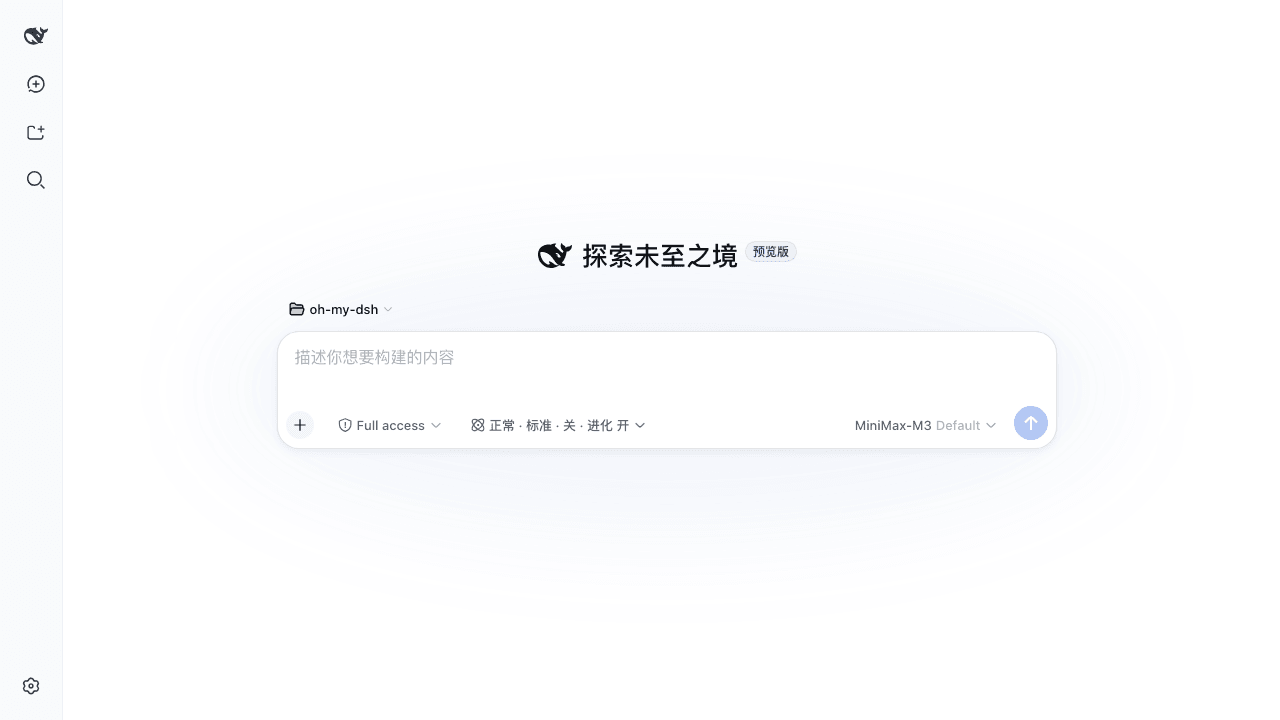 GraySilver/dsh-evolve-modes
让 Agent 的工作方式可组合、可审查、可持续改进,最终实现 Agent Self Evoling。 DeepSeek Harness Web plugin with composable task controls and isolat…
GraySilver/dsh-evolve-modes
让 Agent 的工作方式可组合、可审查、可持续改进,最终实现 Agent Self Evoling。 DeepSeek Harness Web plugin with composable task controls and isolat…
-
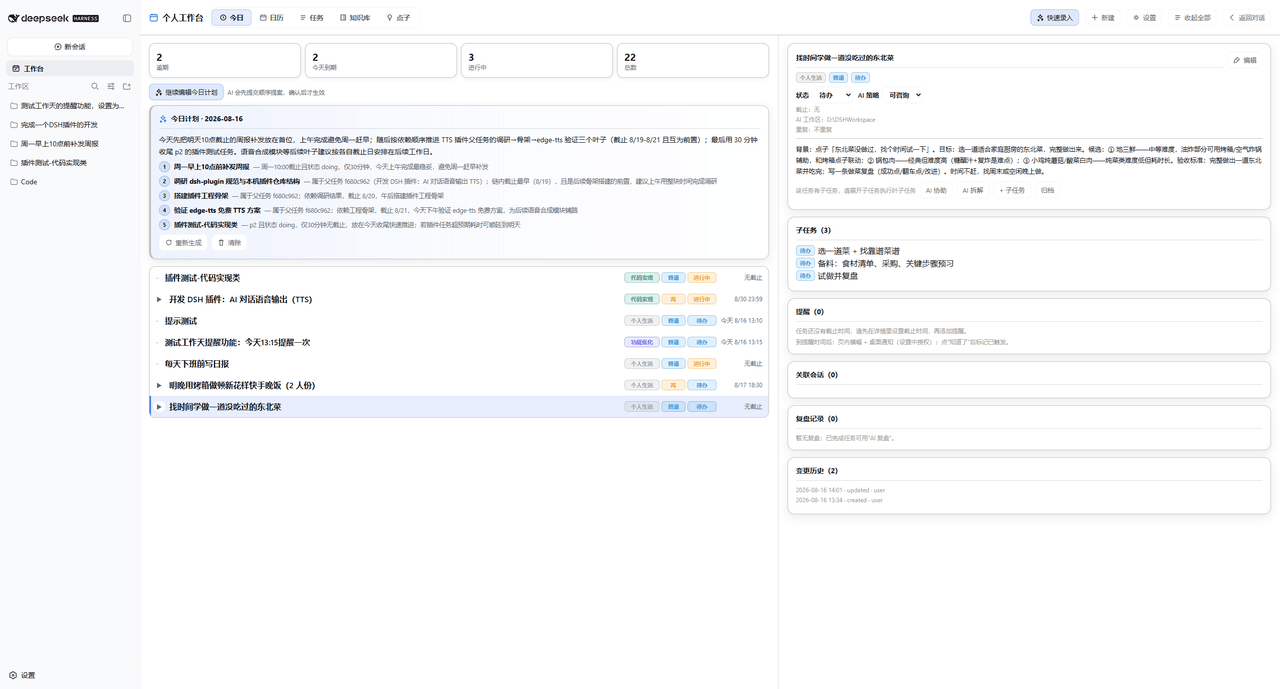 Dely0/dsh-personal-workbench
DSH 个人工作台:日历 + 任务列表 + AI 澄清/拆解/执行/复盘 | Personal workbench for DeepSeek Harness Web: calendar + task list + AI assistant
Dely0/dsh-personal-workbench
DSH 个人工作台:日历 + 任务列表 + AI 澄清/拆解/执行/复盘 | Personal workbench for DeepSeek Harness Web: calendar + task list + AI assistant
-
 naodeng/dsh-qa
dsh-qa · QA Workbench — A local software testing workbench plugin for DeepSeek Harness. Zero-dependency test project & i…
naodeng/dsh-qa
dsh-qa · QA Workbench — A local software testing workbench plugin for DeepSeek Harness. Zero-dependency test project & i…