YuanyuanMa03/cot-lint
给你的仓库做链式思维泄露检查——即AI助手在文档和注释中留下的会话记录残留。
项目介绍Project Overview
cot-lint 是 DSH 插件,用于扫描仓库中的思维链残留:会话引用、变更叙述、评审措辞、英文/中文混用等。仅标记可疑段落,保留 TODO、RFC 引用、忽略注释。配套 cot-trim 技能可自动修复,优先改源而非生成产物。支持 npx 直接运行,输出 JSON 供 CI 接入。需注意:所有命中仅为候选,需配合保留规则人工裁决。
cot-lint is a DSH plugin that scans repositories for chain-of-thought leakage — dead design-session citations, change narration, reviewer-addressed justifications, and cross-language slips in prose and source comments. It pairs with the cot-trim skill, which consumes JSON output and rewrites passages owner-first. Use it to clean agent-authored docs and commit messages before review, or wire it into CI via exit codes (0 clean, 1 findings). Caveat: findings are candidates, not verdicts; keep-rules exempt TODOs, RFC references, and suppression comments, so expect over-matching.
请帮我了解并安装插件:【cot-lint】【https://github.com/YuanyuanMa03/cot-lint】把上面这条消息直接发给当前会话里的 DSH,让它帮你了解并安装。安装命令不一定准确,发给 DSH 更稳。Send this message to DSH in your current session. CLI install commands may not be accurate across systems — DSH will figure it out for you.
或使用命令行安装(适合开发者)Or use CLI install (for developers)
命令行安装CLI Install
dsh plugin add cot-lint把 YuanyuanMa03/cot-lint 加入你的 DSH 配置(web profile)即可启用。
READMEREADME
cot-lint
English | 中文
Lint your repo for chain-of-thought leakage — the session-transcript residue AI assistants leave in docs, comments, and JSDoc.
Your coding agent writes great code and leaks its thinking everywhere around it:
- // This PR adds a retry loop (decision 7) so the diff stays reviewable.
- // The manager used to serialize writes itself; it no longer does after v1.
- // The cast is safe — it simply narrows the union. Probably fine for now.
+ // Retries transient provider failures up to 3 times with jittered backoff.
+ // The shared coordinator serializes writes per session.
+ // The cast narrows a union already validated at the loader boundary.
None of the left column is wrong about the code. It is wrong about its reader: it argues with a reviewer who has left, cites a design session nobody can open, and narrates a change instead of stating behavior.
The one test
Could a reader at HEAD — with no access to any session transcript, PR thread, or uncommitted draft — resolve every reference and verify every claim?
If no, that passage is chain-of-thought leakage. cot-lint finds it.
Quick start
DeepSeek Harness — install the cot-trim fixing skill as a plugin:
dsh plugin add cot-lint
Any repo or CI — zero dependencies, Node ≥ 20:
npx cot-lint                 # scan the repo (Markdown and prose files)
npx cot-lint --json          # machine-readable findings for CI or agents
npx cot-lint --ext ts,py     # also scan source files line-by-line
npx cot-lint --hidden        # descend into dot-directories such as .agents/
Exit codes: 0 clean · 1 findings · 2 usage error — drop it straight into CI.
What it detects
| Class | Example |
|---|---|
| dead design-session citation | (decision 7), design §4.7, phase tokens W3/T4, 设计稿 |
| stack/PR vantage | "this PR adds…", "a later PR in this stack" |
| change narration / version stamps | "used to", "no longer", "the old X", "the v1 refactor", "today", 旧版/不再 |
| review choreography | "Rejected in review:", "the reviewer confirmed", 上一轮评审 |
| reviewer-addressed justification | "the cast is safe — it simply…" |
| control-flow narration | "first we X, then we Y", "as you can see" |
| hedge / planning residue | "probably fine for now", "should be enough" |
| authoring-language slip | untranslated working-language fragments in the other language |
English and Chinese batteries are both built in.
What it deliberately does not flag
The keep-rules are half the tool. A zero-treatment linter that deletes RFC 9110 §10.1.5, a load-bearing TODO(alice):, or "the old connection drains before the new one accepts" (runtime lifecycle, not change history) does more damage than the leakage. So cot-lint mechanically exempts:
- issue references and marked
TODO/FIXME/XXXdeferrals, §-references on lines that cite an external standard such as an RFC,- lines carrying a
cot-lint-ignoresuppression — keep the reason next to it.
Batteries over-match by design. Every finding is a candidate, not a verdict; the keep-rules and rewrite method decide what survives.
Fixing, not just finding
The repo ships cot-trim, an agent skill that pairs with the CLI: it runs cot-lint --json, judges every hit against the one test, enumerates the passage's propositions before deleting anything, and fixes owner-first (generated files via their source, model-visible strings via their owning snapshot).
Install it where your agent looks for skills:
- DeepSeek Harness:
dsh plugin add cot-lint(orgithub:YuanyuanMa03/cot-lint) — thecot-trimskill loads through the plugin's skill provider. - Claude Code / generic agents: copy
skills/cot-trim/into your skills directory (~/.claude/skills/,.agents/skills/, or wherever your agent looks).
How this differs from "AI slop" style linters
Style-slop detectors flag prose that sounds like AI (word choices, em-dash habits). cot-lint flags prose whose vantage is the authoring session — references and narration that only make sense if you were there. Human-written docs can leak (copy-pasted PR descriptions do); AI-written docs can be clean. Different failure class, different tool.
Origin
The taxonomy, keep-rules, and battery approach are distilled from the engineering standards of DeepSeek Harness (MIT) — specifically its prose-hygiene practice for agent-written repositories — generalized here to work with any repo and any coding agent. See their CONTRIBUTING.md for the project's stance on community ecosystem work.
License
相关推荐Related
-
 nexu-io/open-design
🎨 Best DeepSeek Harness Design Plugin. The open-source Claude Design alternative. 🖥️ Local-first desktop app. 🖼️ Your…
nexu-io/open-design
🎨 Best DeepSeek Harness Design Plugin. The open-source Claude Design alternative. 🖥️ Local-first desktop app. 🖼️ Your…
-
 Devin-AXIS/iPolloWork
Enterprise-grade, local-first Agent Workbench for people and agent teams. A unified multi-engine workspace for Codex Har…
Devin-AXIS/iPolloWork
Enterprise-grade, local-first Agent Workbench for people and agent teams. A unified multi-engine workspace for Codex Har…
-
 ysr666/dsh-vision-router
Eyes for text-only DeepSeek Harness agents: built-in free vision chain (no key) + pixel-level vision tools (Q&A, groundi…
ysr666/dsh-vision-router
Eyes for text-only DeepSeek Harness agents: built-in free vision chain (no key) + pixel-level vision tools (Q&A, groundi…
-
 Anionex/dsh-vision-toolkit
[dsh]为纯文本模型设计更强大的视觉工具箱:一行安装使用、粘贴图片直接识别、多张图片问答、截图到前端UI 还原等|DeepSeek Harness-native integration for agent-vision-toolkit: …
Anionex/dsh-vision-toolkit
[dsh]为纯文本模型设计更强大的视觉工具箱:一行安装使用、粘贴图片直接识别、多张图片问答、截图到前端UI 还原等|DeepSeek Harness-native integration for agent-vision-toolkit: …
-
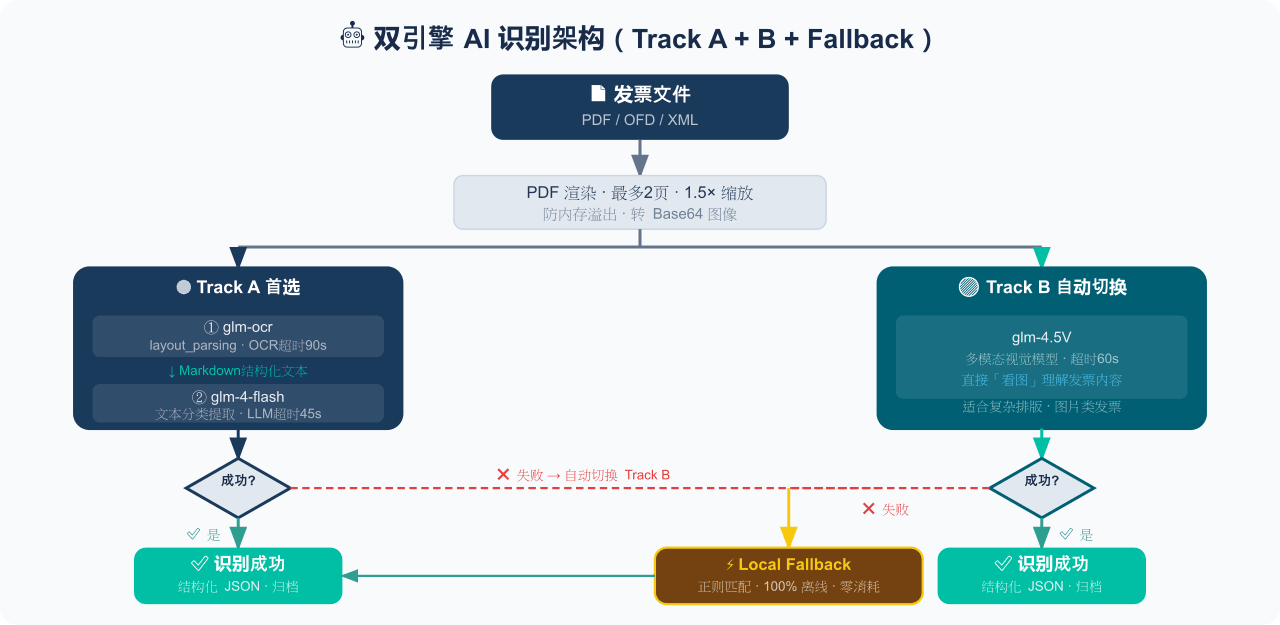 EthanYoQ/Invoice-Downloader
电子发票整理与报销准备工具:从邮箱批量收集 PDF/OFD/XML 发票,OCR 识别、分类归档并生成 Excel 汇总;提供 Windows/macOS 桌面版与 DSH 插件。
EthanYoQ/Invoice-Downloader
电子发票整理与报销准备工具:从邮箱批量收集 PDF/OFD/XML 发票,OCR 识别、分类归档并生成 Excel 汇总;提供 Windows/macOS 桌面版与 DSH 插件。
-
 zhaoolee/notes
开源版锤子便签,复刻锤科美学,一键Docker私有化部署,支持skill调用,支持dsh plugin,支持多租户,一键生成公众号格式,支持导出便签为图片
zhaoolee/notes
开源版锤子便签,复刻锤科美学,一键Docker私有化部署,支持skill调用,支持dsh plugin,支持多租户,一键生成公众号格式,支持导出便签为图片
-
 labring/sealos-skills
AI agent skills for Sealos — deploy any project, provision databases, object storage & more with one command. Works with…
labring/sealos-skills
AI agent skills for Sealos — deploy any project, provision databases, object storage & more with one command. Works with…
-
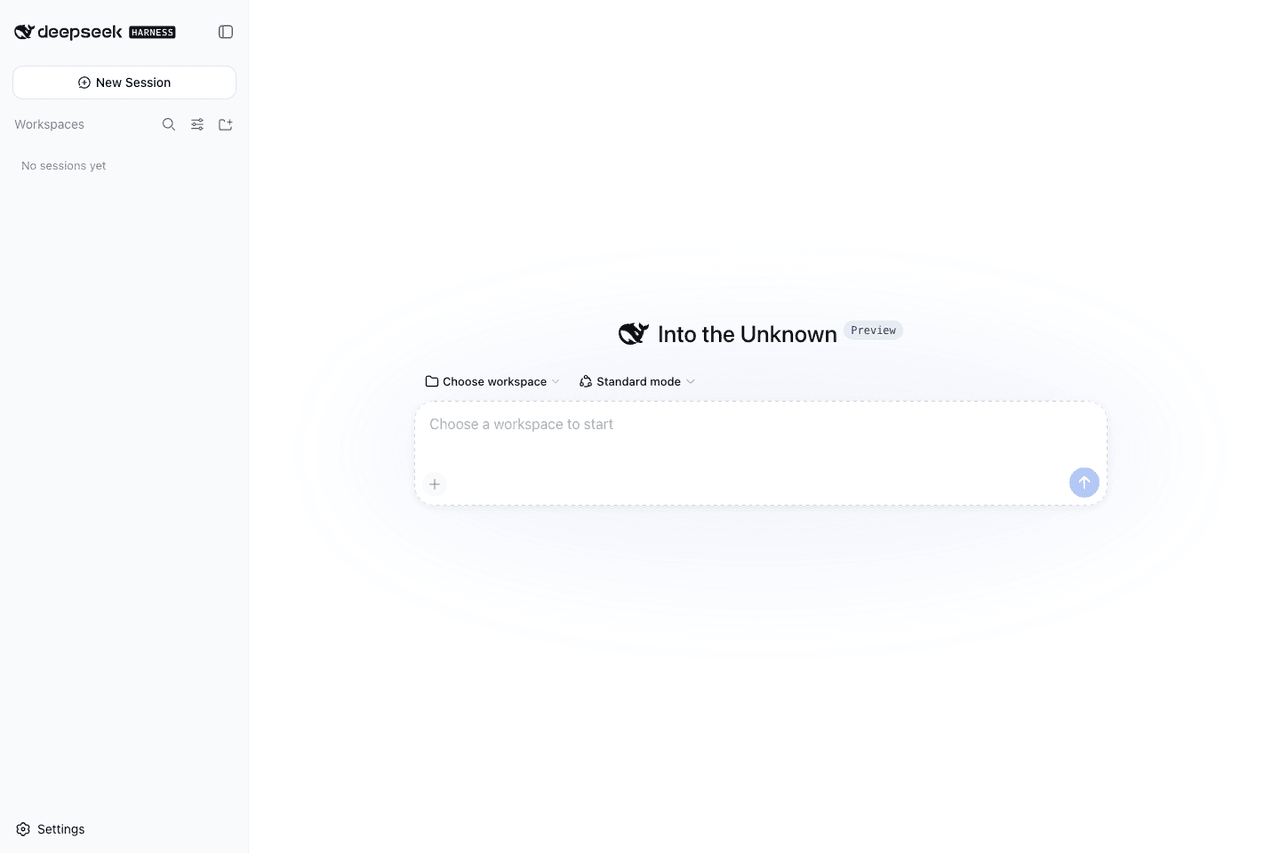 runzhliu/deepseek-harness-docker
Community Docker and Kubernetes packaging for DeepSeek Harness (@deepseek-ai/dsh), with a hardened image, Compose stack,…
runzhliu/deepseek-harness-docker
Community Docker and Kubernetes packaging for DeepSeek Harness (@deepseek-ai/dsh), with a hardened image, Compose stack,…