d3vmeh/dsh-fetch-timeouts
DeepSeek Harness plugin: raise Node's HTTP timeouts process-wide so slow local models (Ollama, LM Studio) are not cut off at 5 minutes
Project Overview项目介绍
This is a DeepSeek Harness plugin that globally raises Node.js HTTP request timeouts, preventing long-running model generation from being cut off. Use it for local models on Ollama or LM Studio that do not send keepalive pings. llama.cpp users usually do not need it, and dead connections take longer to detect after installation.
这是DeepSeek Harness的插件,用于全局提升Node.js的HTTP请求超时时间,避免模型生成长时间内容时被连接超时切断。在使用Ollama、LM Studio等不发送保活Ping的后端大模型时使用。llama.cpp服务器默认自带保活,一般无需该插件;延长超时后死连接需要更长时间才能被识别。
请帮我了解并安装插件:【dsh-fetch-timeouts】【https://github.com/d3vmeh/dsh-fetch-timeouts】Send this message to DSH in your current session. CLI install commands may not be accurate across systems — DSH will figure it out for you.把上面这条消息直接发给当前会话里的 DSH,让它帮你了解并安装。安装命令不一定准确,发给 DSH 更稳。
Or use CLI install (for developers)或使用命令行安装(适合开发者)
CLI Install命令行安装
dsh plugin --profile web add dsh-fetch-timeouts把 d3vmeh/dsh-fetch-timeouts 加入你的 DSH 配置(web profile)即可启用。
READMEREADME
dsh-fetch-timeouts
Raises Node's HTTP timeouts for the whole DeepSeek Harness process, so a slow local model is not cut off after 5 minutes of silence.
The problem it fixes
Node's built-in fetch (which dsh's model adapters use) gives up when a server sends no response headers for 300 seconds, or no body bytes for 300 seconds. dsh has no setting for those two timers: streamIdleTimeoutMs is dsh's own watchdog and timeoutMs is the SDK's request timer, so raising them changes the failure message from pi-ai stream idle timeout to Failure reason: terminated (UND_ERR_BODY_TIMEOUT / UND_ERR_HEADERS_TIMEOUT) at exactly 5:00.
Servers that stay silent that long include Ollama and LM Studio while a model thinks or generates a large tool call (for example the entire contents of a file for write), and any backend that does not send keepalive pings. llama.cpp's llama-server sends a ping every 30 seconds by default, so llama.cpp users usually do not need this plugin.
Install
dsh plugin --profile web add dsh-fetch-timeouts
That is enough: the defaults raise both timeouts to 30 minutes. To change them, add to ~/.dsh/profiles/web/cordis.patch.yml:
- id: fetch-timeouts
  config:
    headersTimeoutMs: 3600000   # time allowed before response headers arrive; 0 disables
    bodyTimeoutMs: 3600000      # time allowed between body chunks; 0 disables
Restart dsh web. One line confirms it at startup:
fetch-timeouts: headers 1800000 ms, body 1800000 ms (process-wide)
Also raise dsh's own watchdog on the provider route, or it will fire first:
llm-pi-ai:
  providers:
    ollama:
      streamIdleTimeoutMs: 1800000
      timeoutMs: 1800000
What you should know
- It is process-wide. Every
fetchthat uses Node's global dispatcher (model calls, web search, HTTP MCP servers, cloud providers) gets the same longer limits;web_fetchis not affected because it builds its own per-request agent. A genuinely dead connection therefore takes up to the configured time to be noticed, and once you have raisedstreamIdleTimeoutMsas well, dsh's idle watchdog is the only remaining backstop for a hung model server. Reasonable on a single-user machine; think twice on a shared host. - It works by installing an
undiciAgentas Node's global fetch dispatcher. IfNODE_USE_ENV_PROXYis set it installs undici's proxy-aware agent instead, soHTTP_PROXY,HTTPS_PROXYandNO_PROXYkeep working. Tested on Node 22 with undici 8 (undici 8 requires Node 22.19 or newer). Confirmed by a user on Windows with Ollama on a 20 minute file write (discussion #4518). - Loading the plugin's
undicidependency already swaps Node's default dispatcher for undici's own (same 300 second defaults); the plugin then applies your timeouts. undici only installs its default when no global dispatcher exists yet, so another plugin loading undici later cannot replace the plugin's agent. Unloading the plugin returns to undici's default, not to Node's original object. - It is a stopgap. When dsh exposes these timeouts itself (its pi-ai dependency already accepts a custom
fetch), this plugin becomes unnecessary.
License
MIT
Related相关推荐
-
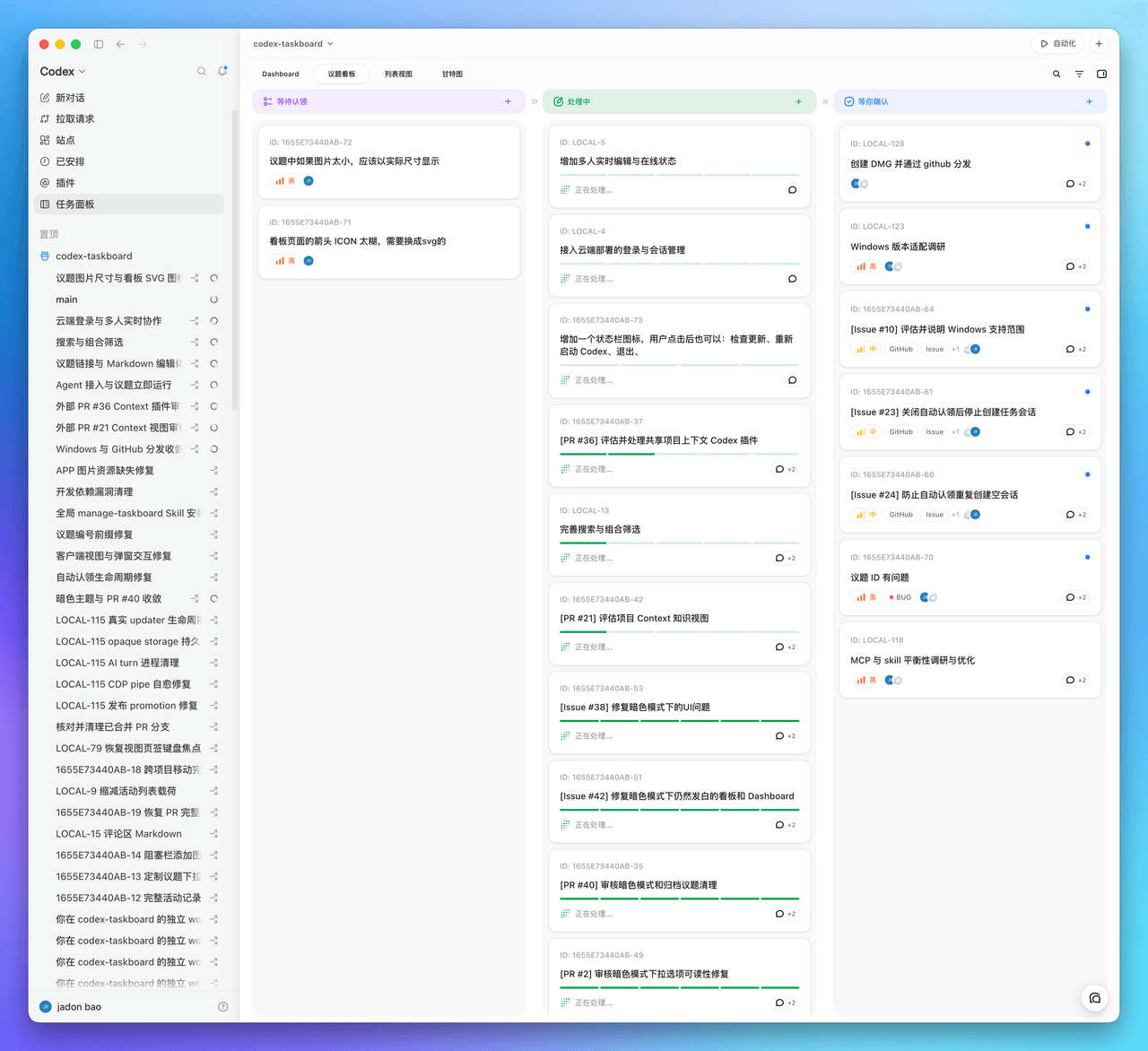 chuspeeism/dashi-taskboard
现代化可灵活嵌入的任务面板,支持 Codex、DeepSeek Harness
chuspeeism/dashi-taskboard
现代化可灵活嵌入的任务面板,支持 Codex、DeepSeek Harness
-
 ccch1mneyyy/working-activity
Lively Working-line extension for pi CLI and DSH
ccch1mneyyy/working-activity
Lively Working-line extension for pi CLI and DSH
-
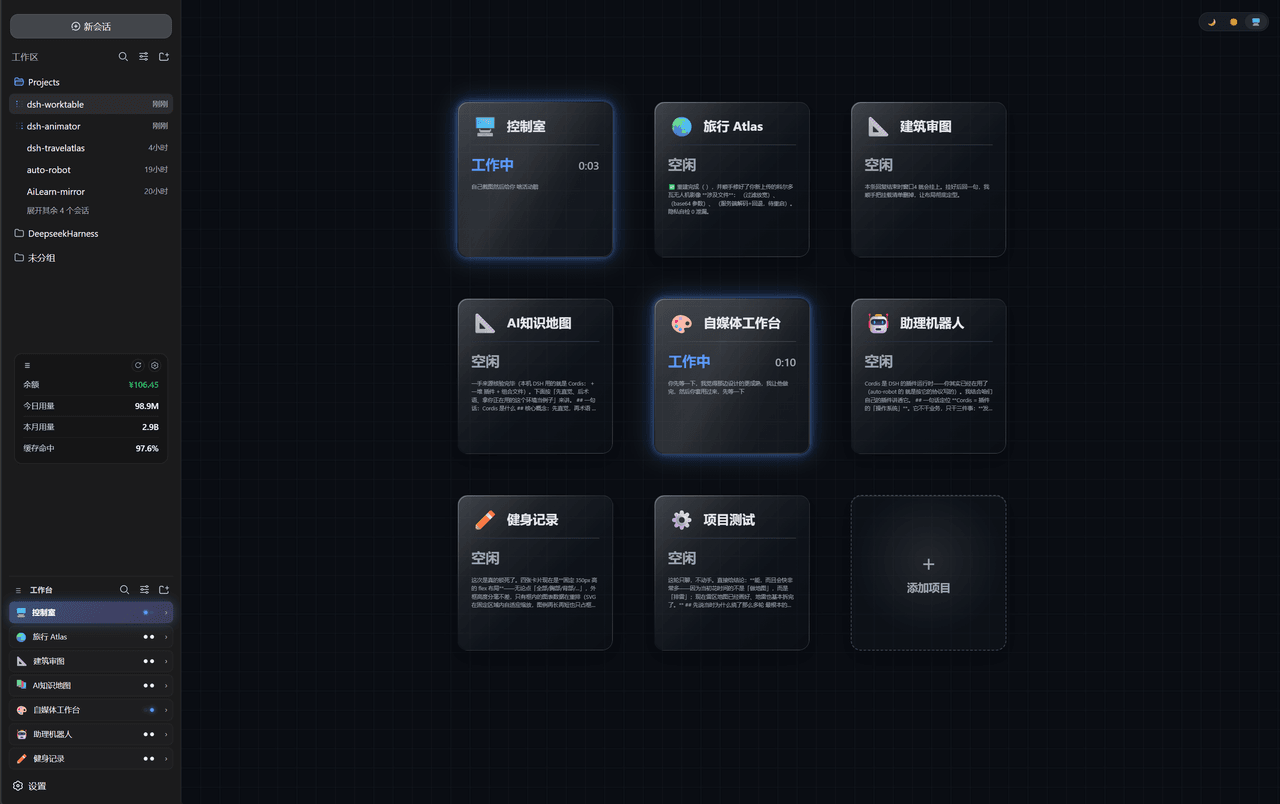 Aisland-SJL/dsh-worktable
🖥️ Agent-project workbench for DeepSeek Harness — sidebar app drawer + dockable split workspace + a live control room w…
Aisland-SJL/dsh-worktable
🖥️ Agent-project workbench for DeepSeek Harness — sidebar app drawer + dockable split workspace + a live control room w…
-
 zhoushoujianwork/easyeda-agent
嘉立创EDA专业版(EasyEDA Pro)自动化:给 AI harness 装上画板的「手」—— 一套 typed 原理图/PCB 动作,CLI / Agent Skill / stdio MCP 三形态融合接入。承接嘉立创「不以卖板赚钱…
zhoushoujianwork/easyeda-agent
嘉立创EDA专业版(EasyEDA Pro)自动化:给 AI harness 装上画板的「手」—— 一套 typed 原理图/PCB 动作,CLI / Agent Skill / stdio MCP 三形态融合接入。承接嘉立创「不以卖板赚钱…
-
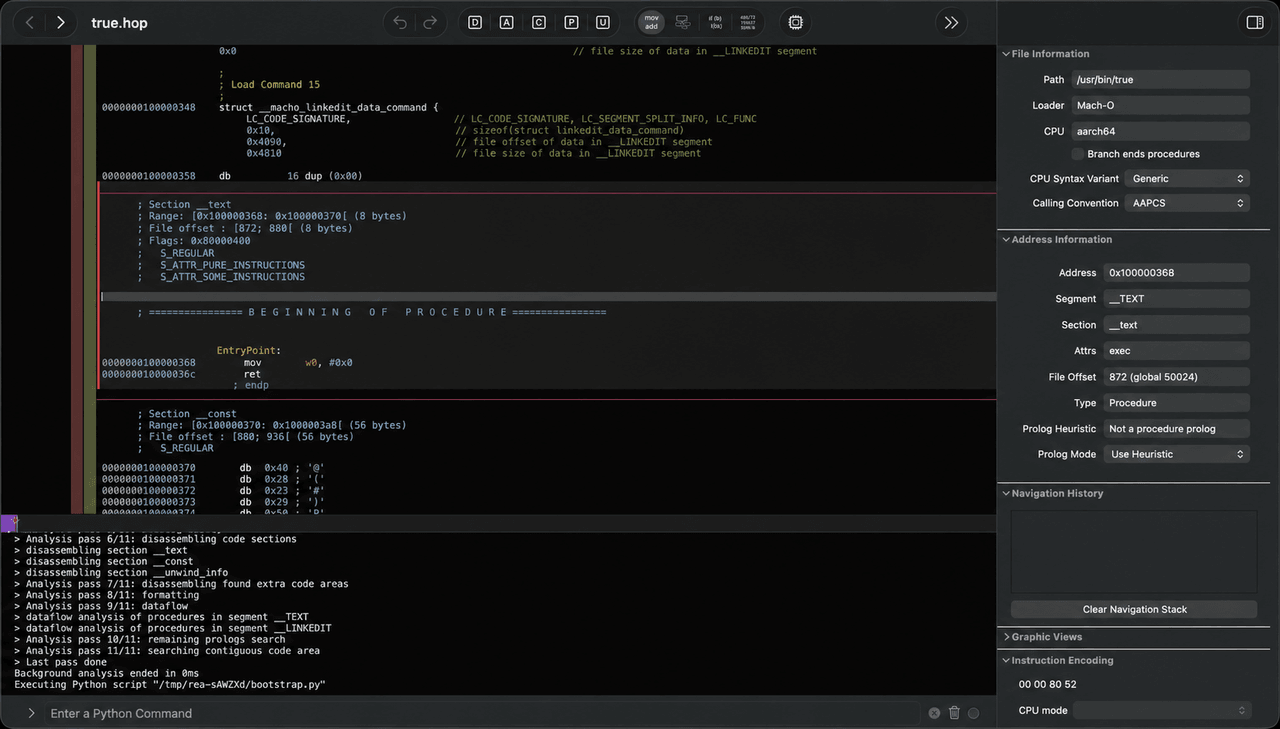 morluto/rea
Reverse engineer anything with agents, from app behavior down to native binaries.
morluto/rea
Reverse engineer anything with agents, from app behavior down to native binaries.
-
 linhay/harmony-next.skills
Offline HarmonyOS NEXT developer skill library for AI coding assistants. Covers API 12–26 declarations, ArkTS/ArkUI, NDK…
linhay/harmony-next.skills
Offline HarmonyOS NEXT developer skill library for AI coding assistants. Covers API 12–26 declarations, ArkTS/ArkUI, NDK…
- pax-beehive/dsh-hub-cli Open-source CLI, schemas, resolver, and DSH agent tools for DSH Plugin Hub
- ericshang98/Perfect-Web-Clone Pixel-perfect clones of any webpage. Paste a URL, get a measured Vite + React replica.