学校该教孩子 AI 技能吗?Should Schools Teach Children AI Skills?
家长会和政府走廊里,这个问题的嗓门都在变大。AI 正在改写「工作」的样子,那么下一代是否该懂它怎么运作——还是说,那只会把他们更快地推进一个被屏幕填满的人生?我们来看看事实究竟如何。
Parent-teacher meetings and government corridors are both getting louder on this question. With AI redrawing what work looks like, does the next generation deserve to understand how it functions — or would that just push them faster into a screen-saturated life? Let us look at what is actually true.
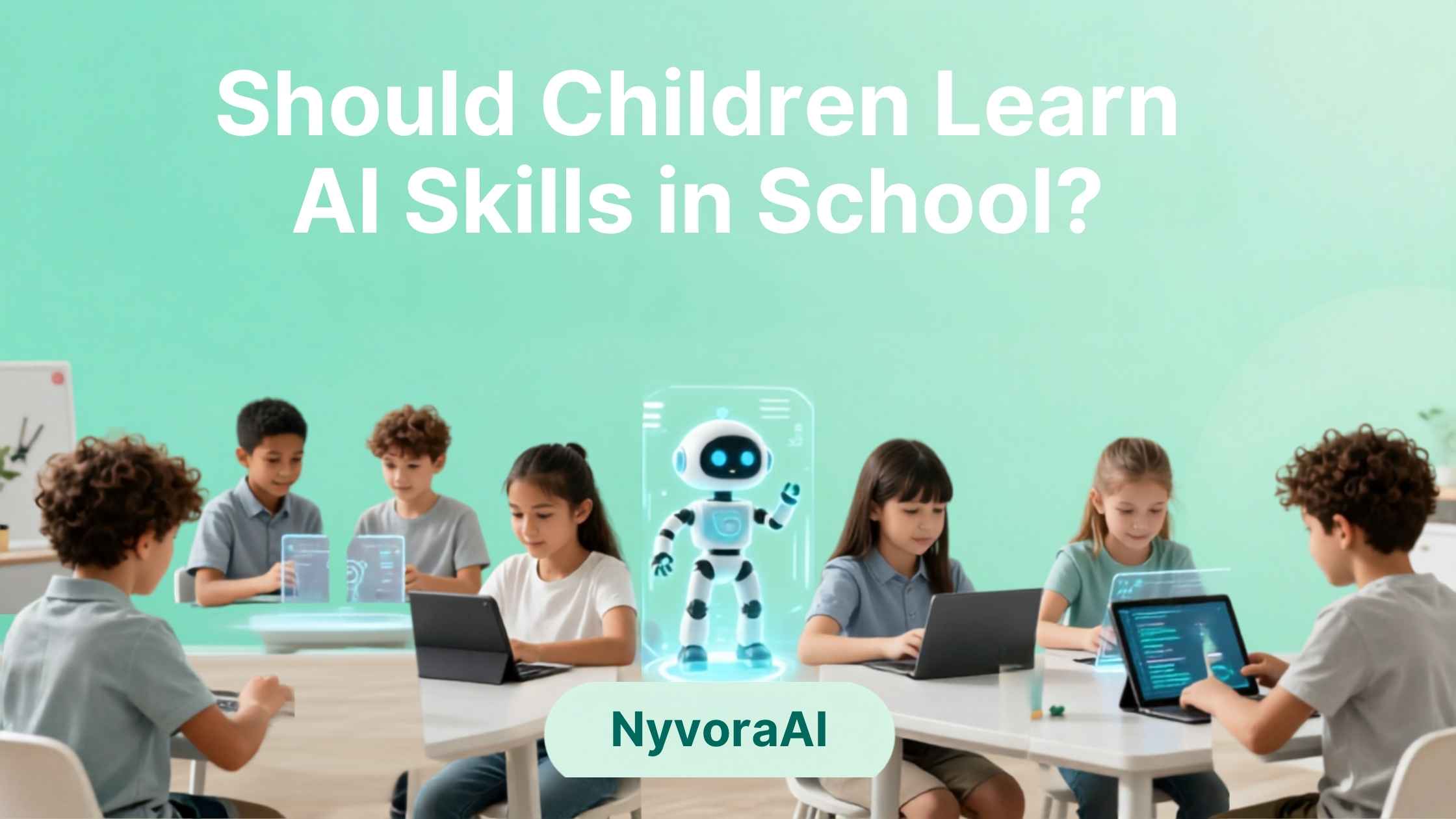
设想一个周二晚上。你家十岁的孩子坐在餐桌旁,手里拿着平板——但平板上跑的不是游戏。他正在调整某个 AI 模型的参数,做一本自己构思的漫画,而「幻觉」「提示词迭代」「训练数据偏见」这些词,他说得像一直就会一样。
十年前,这一幕还只能算科幻。现在它在各大洲的客厅里同时上演。孩子们是自己主动用上这些工具的,学校系统却还落在后头——于是我们撞上了当今育儿与教育领域最尖锐的争论之一:AI 技能该不该进课堂?
我既是老师也是家长,已经数不清有多少次公开会议把这个话题吵成一团。一边是技术乐观派,坚称如今会用 AI 就像从前会读会写一样重要;另一边是传统派,担心我们正在见证童年想象力的消亡,还把盯屏幕的时间当成了美德。
两边都不是全无道理。要为孩子找出稳妥的路,就得先拨开喧嚣,看清「AI 教育」在实践中到底包含什么,再判断哪些能力在一个可能算得上互联网以来最大发明的 AI世界里真正管用。
01大争论:AI 是工具,还是拐杖?
明白了学校过去如何应对新技术,就能理解这场争论为何这么激烈。1980 年代计算器变便宜,数学教研组一片恐慌,认定心算要完蛋。九十年代末互联网来了,老师们又担心背事实会被「从维基百科直接复制粘贴」取代。
两次的警报都含着一分道理,却仍然没抓住重点。数学没被计算器毁掉——学生只是不再耗在长除法上,转而解决更复杂、更贴近现实的问题。学习也没被互联网毁掉,改变的只是重心:从背诵事实转向整合信息。
AI 是这轮回转的第三圈,但它打破了规律:计算器负责计算,互联网负责检索,而 AI 会生成、会推理。把一篇作文交给它,学生让出的不只是内容——而是组织思路、搭建论证、寻找措辞这一整套脑力劳动。这也正是校园里这个问题显得紧迫的原因:我们面对的选择无关「能不能用某个设备」,而关乎年轻大脑会被塑造成什么样。
02支持一方的理由:为即将到来的世界备好头脑
先看支持把 AI 带进课堂的理由。人工智能会从根子上重塑孩子毕业时走进的那个世界。到 2035 年,它几乎会嵌进每一个行业——医疗、农业、艺术都不例外。
1. 把「魔法」拆开看
在多数孩子(以及不少大人)眼里,AI 如今就像魔法:打进几个字,图片或文章就冒了出来。一旦觉得是魔法,人就会变成被动的消费者。把大语言模型和神经网络的运作方式讲给孩子——数学、数据、概率——他们就会从被动旁观者变成有判断力的操控者。他们会明白,AI 不是无所不知的神谕,而是一台会出错的统计引擎。
2. 会提问:提示词工程这门新读写能力
和机器对话正在成为一项基础本领。把问题问对、给出背景、对输出反复打磨——这套通常叫「提示词工程」的做法,要求思路异常清晰。想从 AI 那里拿到有价值的东西,孩子得先确切知道自己要什么,理解语言的微妙之处,并能带着批判眼光评估答案。这是相当吃力的认知训练。
3. 给创造力加装马力
「AI 会扼杀创造力」是常见指控,我的看法是它改变了创造力的走向。一个想做电子游戏却不会写代码的孩子,可以让 AI 起草基础脚本,自己腾出手来专注玩法、叙事和美术。技术门槛消失之后,想法本身就成了工作。把 AI 想成一个永不疲倦的头脑风暴伙伴,面对空白页的恐惧也就不再是障碍。
03站得住的担忧:为什么必须谨慎
但把 AI 毫无防护地塞进教室,风险真实存在,不能轻描淡写。老师和家长说出的顾虑并不是单纯的技术恐惧症,它建立在可以观察到的发育与心理风险之上。
基本功的退化
假设一个孩子从不为写一段话而挣扎,搭建逻辑论证的能力还会长出来吗?假设一道复杂的物理题瞬间被 AI 解出,孩子掌握的是原理,还是只有一个答案?担忧在于,把学习中最难啃的部分外包出去,会抹掉那些只有靠努力和挫败才能建立的神经连接。这也正是文化讨论中那条线:AI 是否正在削弱我们的创造力与思辨耐力。
认知层面的信任危机
对年轻人来说,在社交媒体上分辨真假本就已经很难。再加上 AI 造的深度伪造、看起来像真的假新闻页面,以及讲得头头是道的虚构历史事件。如果学校引入 AI 却不让媒介素养与来源核查成为重点,那我们交给孩子的,就是一台能把谎撒得天衣无缝的机器。
数字鸿沟 2.0
公平是房间里另一头大象。经费充裕的学区会教学生搭建系统、写代码、合乎伦理地治理 AI;勉强维持的学校可能只买得起廉价辅导软件——说白了就是贴了智能标签的题库机。结果可能是一个裂成两半的社会:设计 AI 的人,和依赖 AI 的人。
04那到底该教什么?(不只是编程)
这正是多数大人理解有偏差的地方。一说「教孩子 AI」,脑子里浮现的就是一屋子十二岁孩子盯着 Python。计算机科学当然重要,但对普通学生来说,真正的 AI 素养完全是另一副样子。
- 1
理解数据与统计
1 AI 的一切都建立在数据与数学之上。孩子需要看到数据是怎么被收集的、偏见如何钻进数据集、数字又怎样被操弄。看懂了数据,AI 也就变得可读了。
- 2
伦理与哲学思辨
2 该让 AI 代写大学申请文书吗?自动驾驶汽车出事,谁来负责?学生需要就自动化、隐私和算法偏见带来的伦理问题展开辩论。
- 3
把核查变成习惯(「先信任,再验证」)
3 AI 给出的答案,值得当作一个你不太信任的实习生交来的初稿来对待。学习者要练习拿原始资料核对它的说法,并抓出它凭空编造的瞬间。
- 4
那些「人」才有的能力
4 当 AI 接管了程序性的技术和脑力杂活,真正稀缺的能力就转向人擅长的事:共情、拆解复杂问题、带队,以及动手操作。学校在这些方面该加码,而不是减投。
05误解与事实:把话说清楚
快速过一遍那些最常拖住 AI 教育的误解。
06给家长:现在就能在家里做的几件事
等学区把这件事想清楚并不现实。教材还没在课程委员会上通过,技术已经更新过三轮。以下是你今天在家就能做的,帮孩子建立健康的 AI 素养。
让孩子当一回「AI 审计员」
和孩子一起,把一个有难度的话题交给 AI——比如水循环,或者某段历史。然后给出挑战:找出答案里三个错误、遗漏或讲得含糊的地方。反复这么做能锻炼核查反射,也让孩子看清 AI 是会犯错的。
一起动手做,而不是单纯消费
要避免的是被动使用,替代方案是共同使用。烤个蛋糕,让 AI 帮着构思一种古怪的新口味组合;做个小鸟屋,让 AI 算出裁切清单。当孩子看到 AI 驱动现实世界里的行动,而不只是陪写作业的聊天机器人,这堂课才算落地。
聊聊「人」在哪个环节
如果孩子问 AI 会不会抢走工作,就直说。自动化可能吃掉单项任务,但判断哪些任务值得做,仍然要由人来定。对孩子的职业前景感到不安的家长,可以看看2026 年 AI 是否会取代内容写作者以及其他职业的现有数据,让讨论建立在证据而不是科幻恐惧上。
07结论:该学——但要有边界
那么,AI 技能该不该进入孩子的学校生活?答案是明确的「该」。真正需要大幅改变的,是我们所说的「AI 技能」到底指什么。
没人提议把每所小学变成编程训练营。我们要做的是教孩子看懂、评估并驾驭人类迄今造出的最强思维工具——并且在一个由机器中介的日常生活越来越多的世界里,学会如何依然做人。
出于恐惧把 AI 挡在校门外,保护不了任何孩子,只会让他们毫无防御。他们照样会学,从没人审核的 YouTube 教程和没人管理的网络论坛里学。更好的选择是让学习发生在课堂上,由把伦理、批判性思维和人类创造力不可替代的价值放在首位的老师带领。
教育从来不是为了把孩子塞进当下的世界,而是为了让他们准备好迎接下一个世界。毫无疑问,下一个世界会奖赏那些真正理解这台机器的人,而不只是会用它的人。
Imagine a Tuesday night. Your ten-year-old is parked at the kitchen table, tablet in hand — except the tablet is not running a game. They are adjusting an AI model's parameters to produce a comic book of their own making, and phrases like "hallucinations," "prompt iteration" and "bias in training data" roll off the tongue as if they had always been there.
A decade back, that scene would have read as science fiction. Now it plays out in living rooms on every continent. Children have taken to these tools on their own initiative, yet school systems are still catching up — which lands us on one of the sharpest arguments in parenting and pedagogy today: do AI skills have a place in the classroom?
I have worn both hats — teacher and parent — and lost count of the public meetings where this subject turns into a shouting match. One camp, the technology enthusiasts, insists that fluency with AI now carries the same weight reading and writing once did. The other, the traditionalists, fears we are presiding over the demise of childhood imagination and treating screen hours as a virtue.
Neither camp is simply wrong. Working out the sensible route for our children means cutting through the noise, examining what "AI education" consists of in practice, and asking which capabilities will genuinely pay off in a world where AI may well rank as the biggest invention since the internet.
01The Big Argument: Is AI an Instrument or a Crutch?
The intensity of the argument makes more sense once you look at how schools have reacted to earlier technologies. Cheap calculators arrived in the 1980s and maths departments panicked, convinced that mental arithmetic was finished. The internet showed up in the late 90s and teachers fretted that memorising facts would give way to copy-pasting straight out of Wikipedia.
Each time, the alarm contained a grain of truth and still missed the point. Maths survived the calculator — pupils simply moved on to harder, more realistic problems instead of grinding through long division. Learning survived the internet, and what changed was the emphasis: from reciting facts to pulling information together.
AI is the third turn of that wheel, and it breaks the pattern. Calculators calculate; the internet fetches. AI generates and reasons. Hand an essay to it and a student is not merely lifting content — they are handing over the mental effort of ordering ideas, building an argument and hunting for the right phrasing. That is precisely why the school question feels urgent: the choice in front of us is not about access to a device but about how young brains will be shaped.
02The Argument in Favour: Preparing Minds for What Is Coming
Begin with the case for bringing AI into classrooms. Artificial intelligence will have reshaped, at a fundamental level, the world our children walk into after school. Come 2035, it will sit inside nearly every sector — medicine, farming and the arts included.
1. Taking the Magic Out of It
As things stand, AI strikes most children — and plenty of grown-ups — as sorcery. Words go in; a picture or an essay comes out. Sorcery invites passivity. Explain to children how large language models and neural networks function under the hood — the maths, the datasets, the probability work — and they stop being passive and start directing the technology with informed intent. The lesson they take away is that AI is no all-knowing oracle but a statistical engine, and one that gets things wrong.
2. Asking Well: the New Literacy of Prompt Engineering
Talking to machines is turning into a foundational competence. Framing the right question, supplying context and refining what comes back — the practice usually labelled prompt engineering — demands unusually clear thinking. Before a child can get anything worthwhile out of an AI, they have to know precisely what they are after, grasp the subtleties of language and assess the answer with a critical eye. That is demanding cognitive work.
3. Creativity, Given More Horsepower
The charge that AI destroys creativity is common; my reading is that it redirects it. A child with a video game in mind but no coding ability can have AI draft the basic scripts, freeing them to concentrate on design, narrative and artwork. With the technical friction gone, the idea becomes the work. Think of AI as a brainstorming companion that never tires, and the terror of the empty page stops being a barrier.
03The Fears That Hold Up: Why Caution Is Warranted
Still, the hazards of pushing AI into classrooms with no guardrails are real and cannot be waved away. What teachers and parents are voicing is not simple technophobia; it rests on risks to development and psychology that can actually be observed.
When Basic Skills Waste Away
Suppose a child never has to fight their way through writing a paragraph — will the skill of building a logical case ever take root? Suppose a physics problem is solved by AI in an instant — has the child grasped the principle, or only the answer? The worry is that handing off the hard part of learning strips away neural connections that only effort and frustration can build. It is the same thread running through the wider cultural argument over whether AI is dulling our creativity and our intellectual stamina.
The Crisis of What We Can Believe
Telling reality from invention on social media is already hard for young people. Layer on deepfakes made by AI, fake news pages that look genuine, and invented historical events delivered convincingly. Bring AI into schools without making media literacy and source-checking central, and what we have handed children is a machine capable of lying to them flawlessly.
The Digital Divide, Version 2.0
Equity is the other elephant in the room. Pupils in well-funded districts will be shown how to build systems, write code and govern AI ethically; schools scraping by may afford nothing beyond cut-price tutoring software that is little more than a quiz machine with a smart label. The result could be a society split in two: those who design AI, and those who depend on it.
04So What Should the Lessons Contain? (Coding Is Only Part of It)
This is the part most grown-ups misread. Say "teach children AI" and the mental image is a room of twelve-year-olds squinting at Python. Computer science certainly matters, but genuine AI literacy for ordinary pupils takes a different shape entirely.
- 1
Understanding Data and Statistics
1 Data and maths sit underneath everything AI does. Children need to see how datasets get assembled, how prejudice slips into them, and how numbers can be twisted. Grasp the data and the AI becomes legible.
- 2
Ethics and Philosophical Reasoning
2 Ought an AI to write a university application essay? If a driverless car crashes, who answers for it? Pupils should argue through the ethical questions raised by automation, privacy and bias built into algorithms.
- 3
Verification as a Habit ("Trust, Then Check")
3 AI answers deserve the same treatment as a rough draft from an intern you do not quite trust. Learners have to practise checking its claims against primary sources and catching the moments it invents things.
- 4
Skills That Stay Human
4 Once AI absorbs the routine technical and mental chores, the premium shifts to what people do best: empathy, untangling messy problems, leading others, and working with their hands. Schools should invest harder, not less, in those.
05Myth and Reality: Setting the Record Straight
A quick pass through the misconceptions that most often hold AI education back.
06For Parents: Practical Steps You Can Take at Home
Waiting for the school board to settle this is not an option. A textbook will barely be agreed by a curriculum committee before the technology has moved on three times. Here is what you can do at home today to build sound AI habits.
Turn Your Child Into an AI Auditor
Together with your child, put a tricky subject to an AI — the water cycle, or an episode from history. Then set the challenge: name three things the answer got wrong, skipped, or explained badly. Doing this repeatedly exercises the verification reflex and makes clear that AI can be mistaken.
Make Something Together Instead of Consuming
Passive use is the thing to avoid; shared use is the alternative. Bake a cake and let AI help dream up an absurd new flavour combination. Put together a birdhouse and have AI work out the cutting list. The lesson lands when children see AI driving action in the real world rather than serving as a homework chatbot.
Talk About Where the Human Comes In
If your child asks whether AI will take people's jobs, answer them straight. Automation may swallow individual tasks, but choosing which tasks deserve doing remains a human call. Parents uneasy about their child's prospects can ground the discussion in evidence rather than science-fiction dread by looking at what the data says about AI replacing content writers in 2026 and other lines of work.
07The Verdict: Yes — With Limits in Place
Do AI skills belong in a child's schooling, then? The answer is yes, without hedging. What has to change drastically is what we mean by "AI skills."
Nobody is proposing to convert every primary school into a coding bootcamp. The aim is to show children how to find their way around, weigh up and steer the most potent thinking tool our species has produced — and, in a world where machines mediate more and more of daily life, how to stay human inside it.
Banning AI from classrooms out of fear protects nobody; it simply leaves children with no defences. They will pick it up regardless, from YouTube tutorials nobody vets and forums nobody moderates. Far better that the learning happens in a classroom, with teachers who put ethics, critical thinking and the irreplaceable worth of human creativity first.
Education was never meant to fit children to the present. Its purpose is to fit them for the world that comes next — and there is no serious doubt that the next world will reward those who understand the machine rather than those who merely use it.